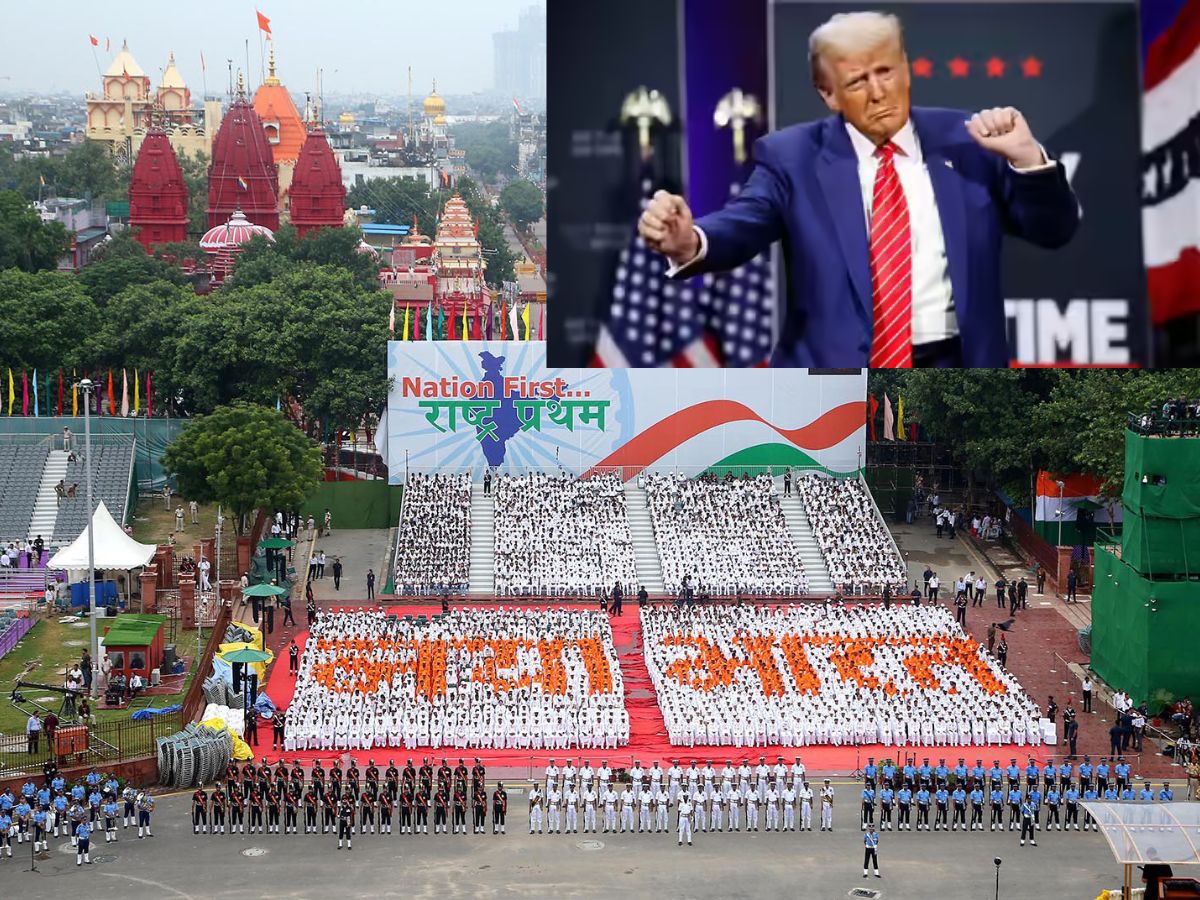
President Donald Trump’s latest actions against India, specifically the draconian imposition of 50% tariffs on Indian products on account of its Russian oil buys and his inflammatory rhetoric, have not only provoked outrage in India but have come at a steep price, particularly among Indian-Americans, a group that was otherwise staunchly behind his rise to the White House.
From Euphoria to Disillusionment
In the past, Trump’s popularity was through the roof among Indians and the Indian-American diaspora. His friendly gestures to the Modi government, the “Namaste Trump” rally in Gujarat, and vocal appreciation of India had endeared him to both countries. His triumph was met with enthusiasm by many Indians who perceived in him a powerful leader who was supporting Indian interests. But this good will soon vanished as his government handled India more like a bargaining weapon than an ally, particularly in constant squabbles on trade and Russia.
Also Read | Trump Says India Tariffs Meant to Push Putin Into Ukraine Talks
Tariffs and Misguided Diplomacy
Trump’s 2025 tariffs, the highest ever imposed by the US on Indian products, were made out to be punitive actions against India for its continued imports of Russian oil. However, most watchers and Indian officials interpreted the action as utilising India to pressure US interests against Russia while insisting on unreasonable trade concessions in dairy and agriculture. Instead of equitable negotiation, the approach was characterised as coercive, humiliating, and unwarranted—demonstrating a lack of respect for India’s sovereignty.
Also Read | ‘Nothing-doing, Mr. Trump’, PM Modi’s Clear Message on Agro-Dairy
The Emotional Backlash
Indians- patriotic to a fault and proud of their country’s rising international status, reacted with unusual cohesion and passion. What began as trade protest soon turned into social and political protest, with large-scale demands for boycotting American products and a significant rise in anti-US feelings. Indian-Americans, offended by Trump’s words and perceived slight, recoiled from endorsing him. The psychological effect of treating India as a “junior partner” or even just an instrument of leverage over Russia was much more detrimental than any economic consequence.
Have a look at the following video (credits: OTV Khabar)
#ଟ୍ରମ୍ପଙ୍କ_ଗାଲକୁ_ଢୋ_ଢୋ_ସେକିଦେଲେ…
ଭାରତ ଉପରେ ମନଇଛା ଟାରିଫ ବଢ଼ାଇବା ଘଟଣାକୁ ପ୍ରତିବାଦ କଲେ ଶିବସେନା କର୍ମୀ । ଟ୍ରମ୍ପଙ୍କ କୁଶପୁତ୍ତଳିକାରେ ଚପଲ ମାଳ ପକାଇବା ସହ ଜୋତାରେ ସେକିଲେ ଲୋକେ। #ShivSena #Trump #StreetProtest_Drama #EffigyBurning #SymbolicProtest #ChappalRoast #OTV pic.twitter.com/mZqgFV5oB1— ଓଟିଭି (@otvkhabar) August 9, 2025
Foul Mouth, Fading Support
Trump’s direct, occasionally rough-tongued statements, particularly those made on social media, further isolated Indian public opinion. What had been perceived as frank openness came to be viewed as disrespect and diplomatic ineptness. Social media, op-eds, and even politicians spoke that patriotism in India does not operate on trade-offs; Indians will forever prefer allegiance to their motherland over foreign leaders or economic gain.
The Nutshell argument
Humane tariffs and hard bargaining are legitimate if conducted with respect and shared interests. But Donald Trump’s style, characterised by rhetoric bombardments, disrespect, and strategic miscalculation, it converted a precious friendship into an expensive fight. He underestimated the strength of India’s national pride, and in doing so lost popularity both in India and among Indian-Americans, uncovering the dangers of treating an ally as a pawn, rather than as a peer ally.