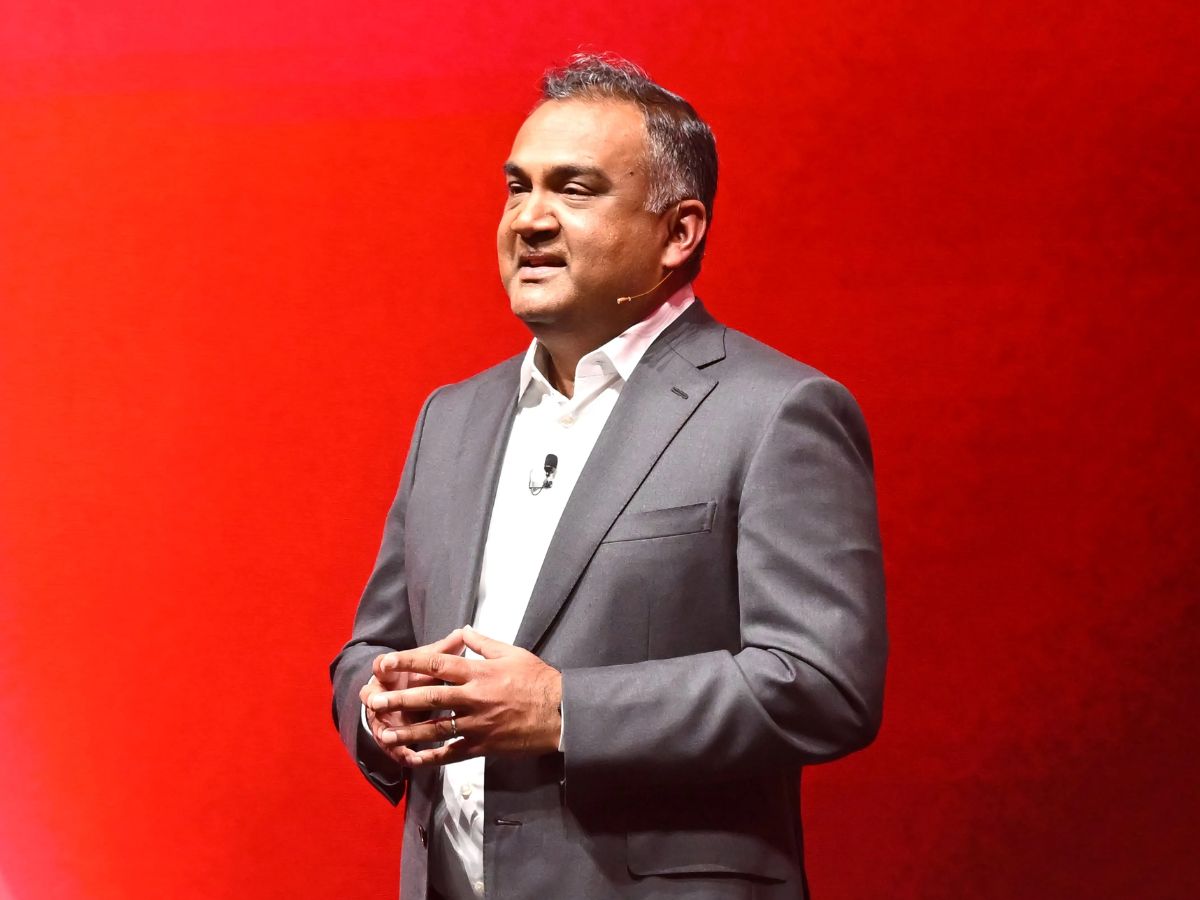
TIME magazine’s naming of YouTube CEO Neal Mohan as its 2025 CEO of the Year has sparked worldwide interest in the usually low-key executive. Who is the man tasked with steering the platform that shapes what billions watch, learn, and listen to, and what does this honor reveal about his leadership?
Who Is Neal Mohan?
Neal Mohan assumed the role of YouTube CEO in February 2023 after Susan Wojcicki exited the post. An Indian-American tech executive, he does not fit the standard outspoken tech CEO stereotype.
Key biographical points:
- Heritage & Early Life: He was born in Indiana, USA, and relocated to Lucknow, India, with his family in 1985 at the age of 12, later returning to the US for university studies.
- Education: He holds bachelor’s and master’s degrees in electrical engineering from Stanford University.
- Career Path: He was a prominent executive at Google before YouTube, where he oversaw advertising products and was instrumental in the creation of Google’s core ad-buying tools. He joined YouTube in 2015 as its Chief Product Officer.
Why Is He Described as “Surprisingly Mellow”?
TIME’s profile heavily emphasized Mohan’s calm, deliberate demeanor—a defining trait in the high-pressure tech world. The magazine described him as “quiet-spoken, deliberative, hard to ruffle,” noting his enjoyment of simple pleasures like sports and his daughters’ dance recitals.
This “unassuming” quality is part of his professional persona. TIME even quipped that if you ask him to be in your YouTube video, “he’ll probably do it. He won’t be great in it, but neither will he be horrible.” This paints a picture of a leader who is accessible, steady, and focused on substance over flash.
What Is His Leadership Philosophy?
At the core of Mohan’s approach is a principle he has repeatedly stated: the “fundamental North Star” for YouTube’s content policies is to “give everyone a voice.” This way of thinking directs the platform’s enormous task of striking a balance between accountability, safety, and free speech.
He is acutely aware of YouTube’s disruptive power, stating, “The entire dynamics of the entire media industry are changing before our eyes… It’s incredibly disruptive.” His role, as framed by TIME, is that of a “farmer” tending a global garden—providing the soil (the platform) while managing what grows (the content), which ultimately becomes the world’s cultural diet.
Also Read: Golden Globes Nods: DiCaprio’s ‘One Battle After Another’ Tops List with 9 Nominations
What Does This Award Signify?
TIME’s CEO of the Year recognition places Mohan in a select group of global leaders and reflects awareness of YouTube’s lasting, often contested, influence on society. It underlines that cultural and social leadership now rivals revenue performance in the digital era.
At a time when internet companies are under intense scrutiny for their role in society—from content moderation and disinformation to altering creative industries—the prize supports his modest, product-focused leadership approach.
Quick Facts: Getting to Know Neal Mohan
Q: What is a unique personal detail about his childhood?
A: During his time in India, he studied Sanskrit, which he likened to “learning computer programming” because of its logical, rule-based structure—an early sign of his analytical thinking.
Q: What was his role before becoming YouTube CEO?
A: Prior to serving as YouTube’s chief product officer, he was a senior vice president at Google, where he was in charge of advertising and commerce products.
Q: How does he view YouTube’s role in the world?
A: He sees it as an open platform that provides the “soil” for global culture to grow, for better or worse. His job is to cultivate a healthy ecosystem within that.
Q: Is he active on social media or in the public eye?
A: Unlike many tech CEOs, he maintains a relatively low public profile. He engages more through official YouTube channels and creator events than on personal social media.
Q: What does this award mean for YouTube?
A: The honor strengthens YouTube’s standing in global culture and endorses Mohan’s stable leadership through complex issues tied to AI, regulation, and competition.