Why Volcanoes Erupt: The Science Behind Earth’s Fire Giants
Volcanoes erupt when molten magma, gas and pressure build up beneath Earth’s surface is forcing their way out through cracks. These eruptions shape landscapes, create new landforms and influence global climate. Understanding how and why volcanoes erupt helps scientists predict eruptions and minimize damage to life and property.

How Volcano eruption begins
Volcano eruption begins with magma molten rock from Earth’s mantle that collects in underground chambers because magma is lighter than surrounding rock, it forces upward through fractures. As pressure builds, cracks give way, unleashing lava, ash and gas understanding magma accumulation is central to volcanic science.
(Photo: Pinterest)

Gases Drive the Explosive Force
Volcanic magma contains dissolved gases water vapor, carbon dioxide, sulfur compounds that remain under pressure deep underground. As magma rises, pressure drops and gases expand like soda with this expansion drives explosive eruptions, propelling ash and molten rock into the air and gas mechanics are key to eruption intensity.
(Photo: Pinterest)

Viscosity Shapes Eruption Style
Volcanic eruptions differ depending on magma’s viscosity and Low-silica magma flows easily producing gentle lava flows. The High-silica magma is thick and traps gases, triggering violent eruptions with the silica content, temperature and gas content combine to dictate whether an eruption is effusive or explosive.
(Photo: Pinterest)

Plate Tectonics & Volcano Placement
Most volcanoes form along tectonic plate boundaries in subduction zones, one plate dives under another, melting rock and generating magma at rifts, plates pull apart enabling upward magma flow. These geologic settings create fractures through which magma reaches the surface, explaining why volcanoes cluster at plate edges.
(Photo: Pinterest)
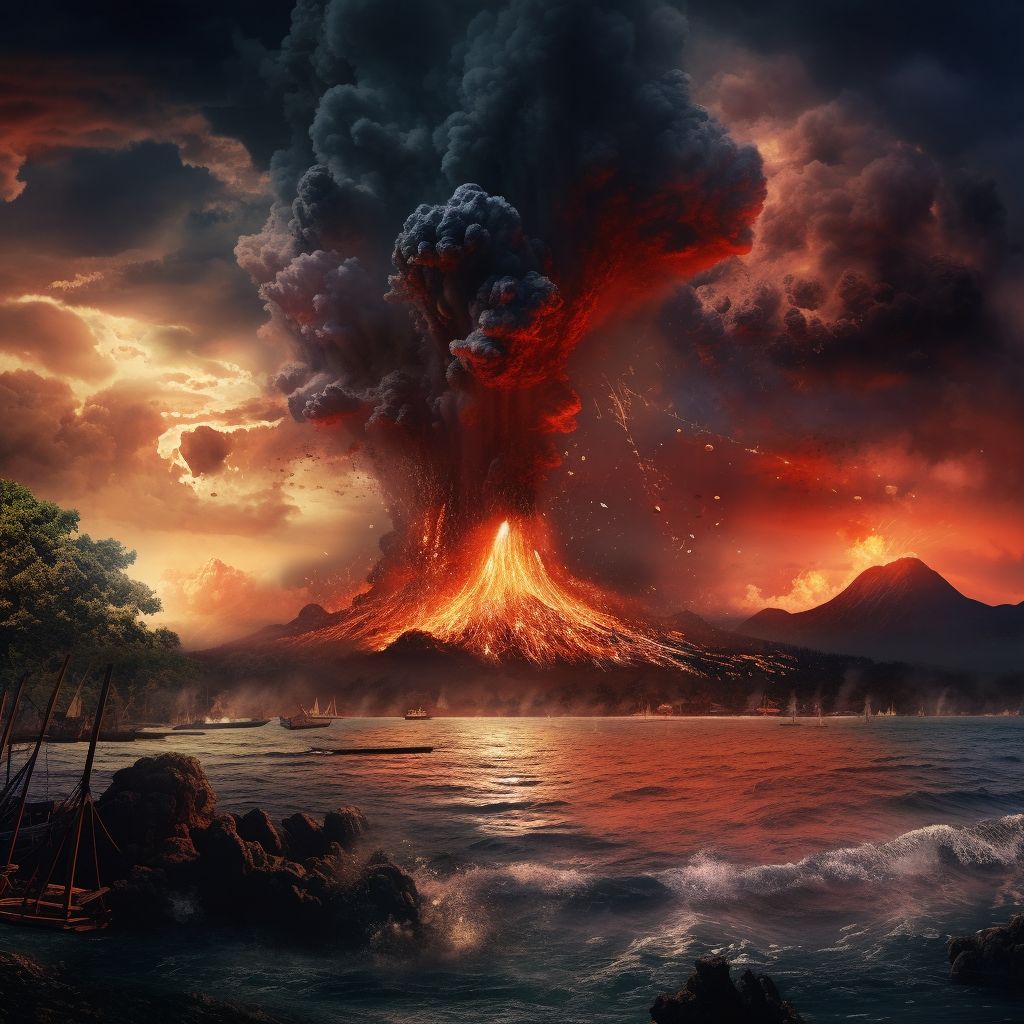
Explosive vs Effusive Eruptions
Eruptions come in two main flavors explosive and effusive with the explosive it send ash, pyroclasts and gas into the sky with force and the effusive eruptions ooze lava slowly. The eruption style depends on magma’s viscosity, gas content and the vent’s shape. Scientists use these factors to predict behavior and hazard types.
(Photo: Pinterest)

Monitoring & Predicting Volcanoes
Modern volcanology relies on monitoring tools seismographs detect earthquakes, tiltmeters measure ground swellin, gas sensors track emissions and readings reveal magma movements before eruptions. Combining data helps forecast eruption timing and style with early warnings save lives and improve our understanding of Earth’s dynamic interior.
(Photo: Pinterest)