Top 5 World’s Largest Telescopes Exploring the Universe
From Spain to Hawaii and South Africa to Chile the world’s largest telescopes serve as humanity’s eyes in space. These powerful instruments help scientists study galaxies, stars and black holes bringing us closer to solving cosmic mysteries. Each telescope plays a unique role in advancing our understanding of the universe.
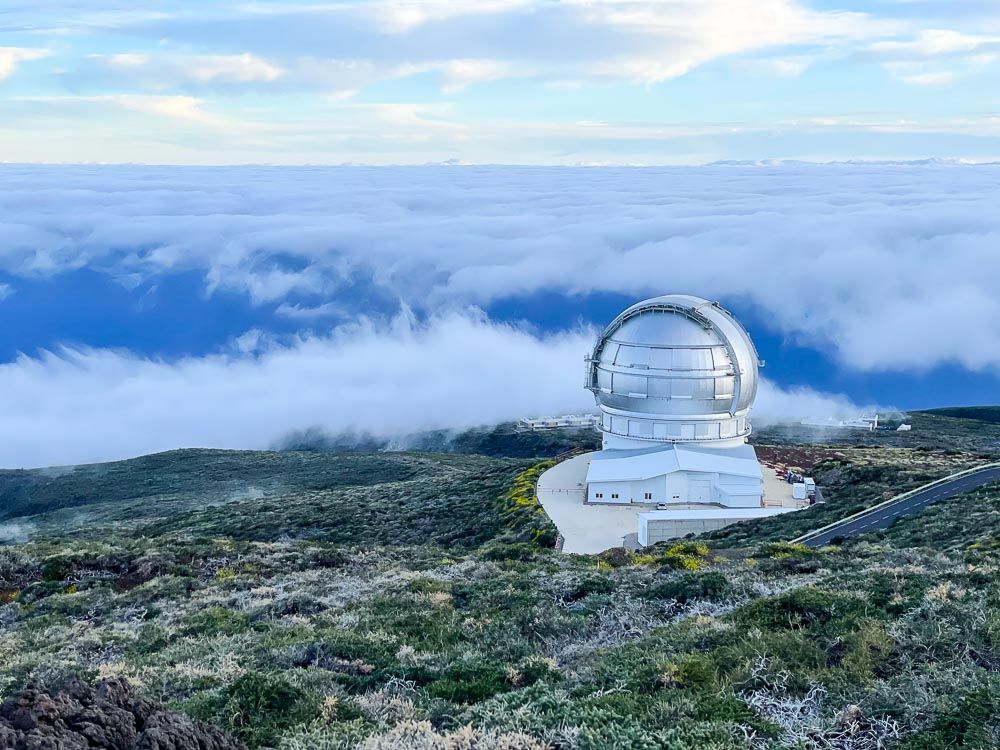
Gran Telescopio Canarias
The Gran Telescopio Canarias located in La Palma, Canary Islands, Spain is the world’s largest single-aperture optical telescope. With its 10.4-meter mirror, it captures faint light from distant galaxies, enabling astronomers to study cosmic origins and stellar evolution. It stands as Europe’s crown jewel in observational astronomy.
(Photo: Pinterest)
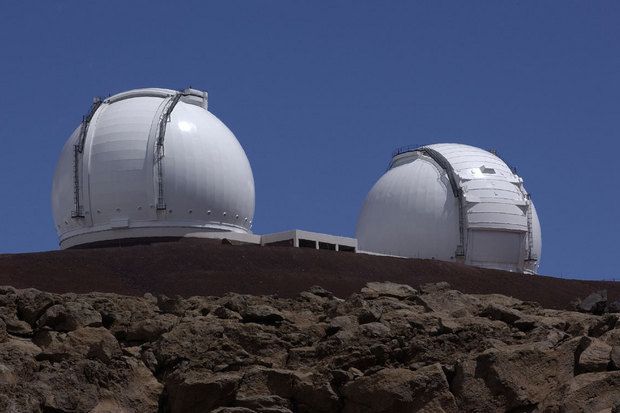
Keck Observatory
The Keck Observatory located on Mauna Kea, Hawaii and houses two powerful telescopes, each with a 10-meter segmented mirror. They enable detailed imaging of stars, galaxies and exoplanets. It has been central to breakthroughs in cosmology and planetary science offering humanity some of its clearest views of the cosmos.
(Photo: Pinterest)
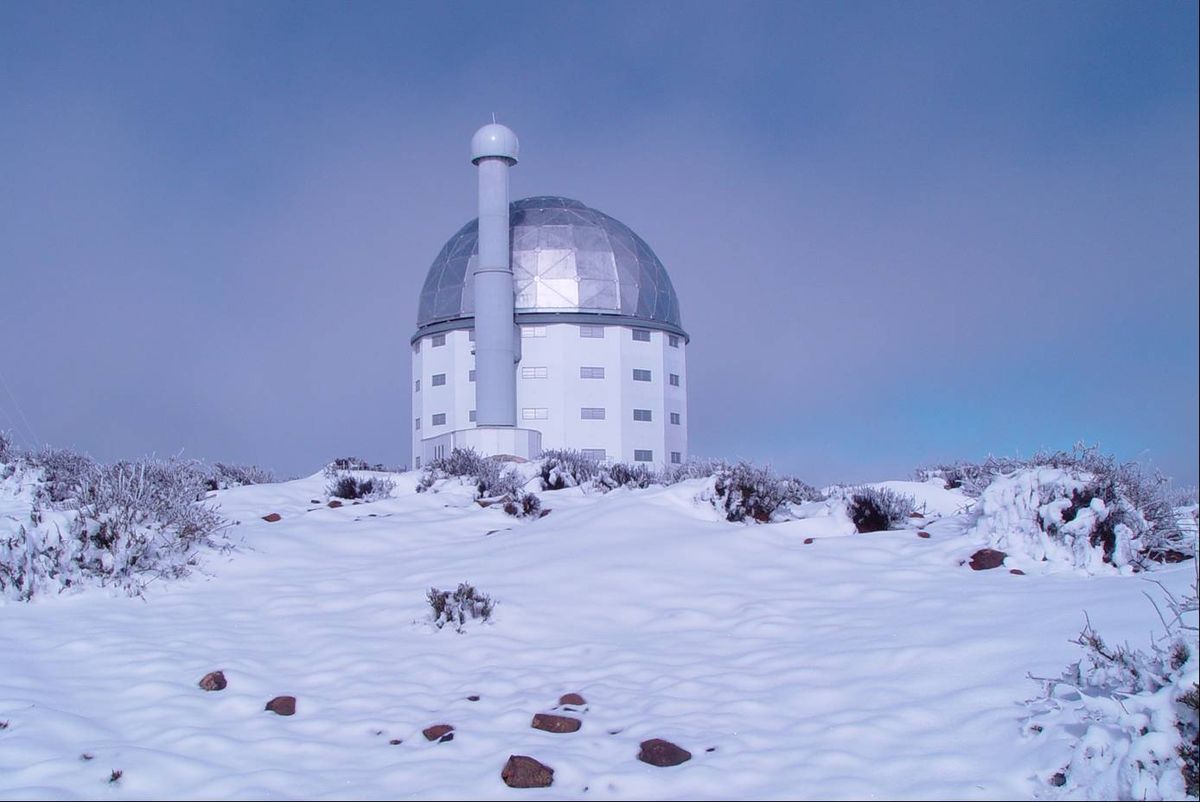
South African Large Telescope
The South African Large Telescope located in Sutherland, is the largest optical telescope in the Southern Hemisphere. Its 11-meter hexagonal mirror structure focuses on studying stellar evolution, distant galaxies and supernovas. SALT places Africa at the forefront of global astronomical research and fosters global scientific collaboration.
(Photo: Pinterest)
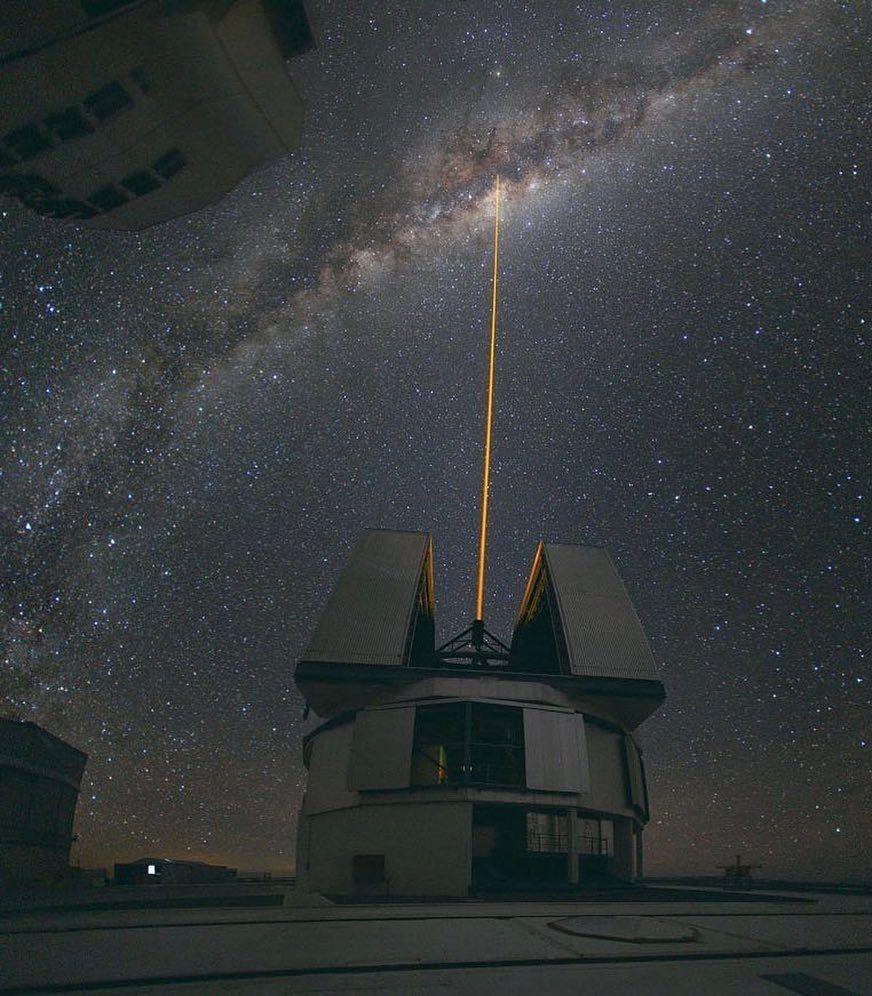
Very Large Telescope
The Very Large Telescope is located at Paranal Observatory in Chile’s Atacama Desert, consists of four 8.2-meter mirrors. Working individually or in unison, they deliver unparalleled astronomical precision. The VLT has contributed to discoveries about black holes, exoplanets and cosmic expansion making it one of the world’s most advanced observatories.
(Photo: Pinterest)

Subaru Telescope
Japan’s Subaru Telescope is located on Mauna Kea, Hawaii, features an 8.2-meter monolithic mirror. Renowned for deep field imaging, it captures faint galaxies billions of light-years away. Subaru’s unique adaptive optics system helps astronomers study exoplanets, cosmic structures and galactic formation with extraordinary sharpness and precision.
(Photo: Pinterest)

World’s Telescopes: From Spain to South Africa
These telescopes spread across continents represent humanity’s collective quest to understand the universe. From studying distant galaxies to exoplanets and they reveal secrets of cosmic origins. As technology advances, the world’s largest telescopes remain vital tools in exploring space and answering age-old questions about life and the cosmos.
(Photo: Pinterest)