SpaceX Starship & Dragon: Defining the Post-ISS Space Era
The International Space Station is set to retire by 2030, raising questions about the future of space exploration. SpaceX, with its Falcon 9, Dragon and Starship programs is expected to lead in crew transport, private orbital stations and deep-space missions shaping the post-ISS era of human spaceflight.
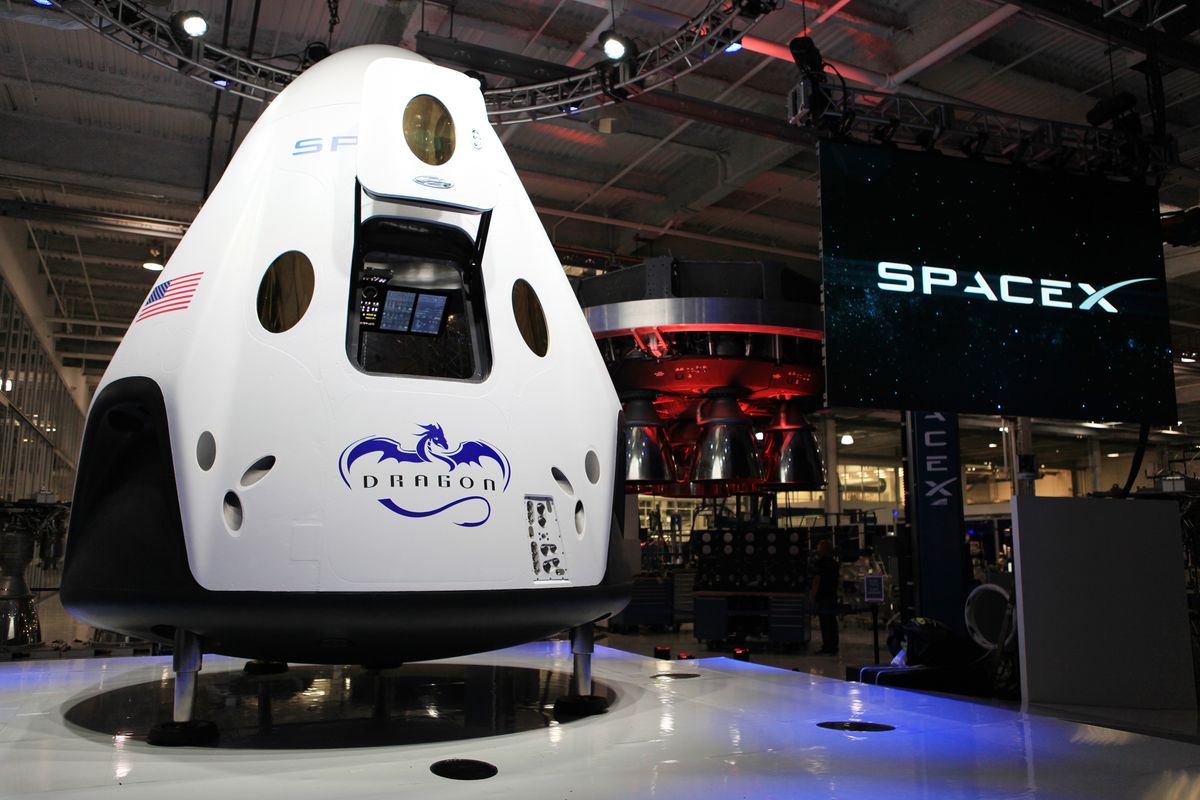
SpaceX’s Role in Post-ISS Space Future
The International Space Station is expected to retire by 2030, raising questions about the future of human spaceflight. SpaceX, with its reusable rockets, advanced capsules and strong NASA partnerships, is well-positioned to fill this gap and lead the next era of low-Earth orbit exploration.
(Photo: Pinterest)
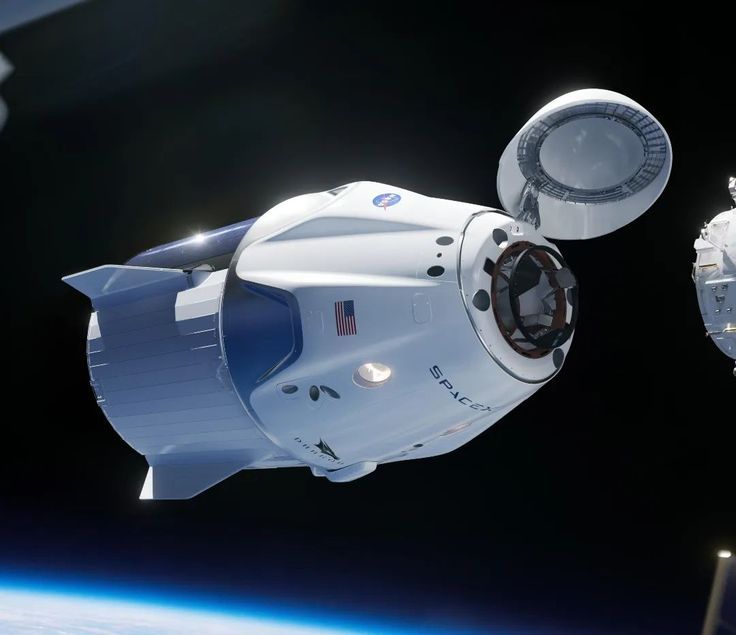
SpaceX’s Cargo & Crew Transport
Since 2012, SpaceX has delivered vital cargo and astronauts to the ISS using Dragon spacecraft. Its success in reliable transport ensures it will remain a key provider even after the station retires, helping supply future space stations and private orbital platforms.
(Photo: Pinterest)
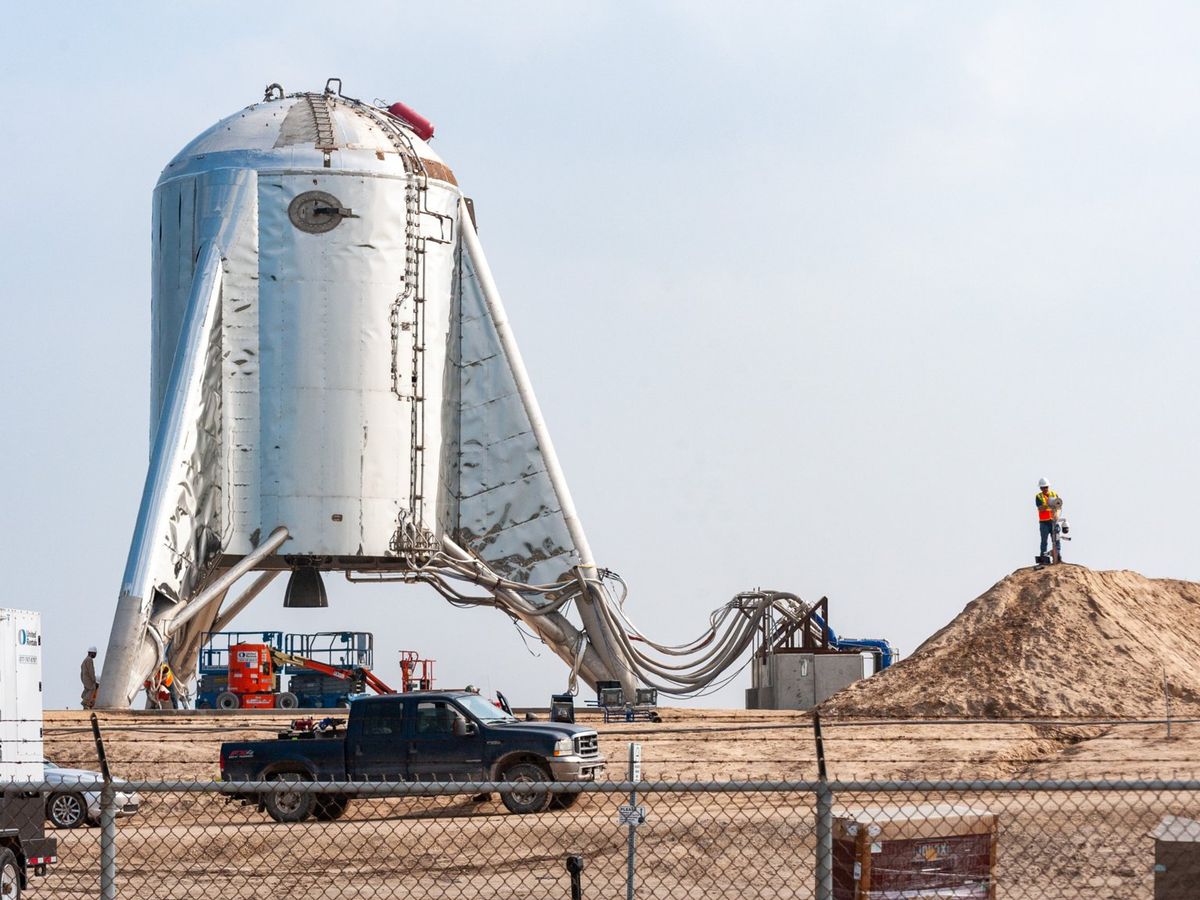
Starship’s for Space Stations
Starship is designed as a fully reusable rocket, could transport larger crews and modules to future stations. Its enormous payload capability makes it a game-changer for constructing private orbital platforms, deep-space missions and providing affordable access to space after the ISS era.
(Photo: Pinterest)

SpaceX & Private Orbital Stations
With NASA encouraging private industry to build orbital stations, SpaceX’s rockets and capsules will be vital for construction and crew access. Companies like Axiom Space may depend heavily on SpaceX to deliver supplies, modules and astronauts, ensuring seamless continuity of human presence in low-Earth orbit.
(Photo: Pinterest)

SpaceX’s Lunar & Mars Ambitions
NASA has already selected Starship as a lunar lander for its Artemis program. This milestone cements SpaceX’s role not just in low-Earth orbit but in deep-space exploration. Its Mars ambitions further highlight how SpaceX will shape human exploration after the ISS retires.
(Photo: Pinterest)
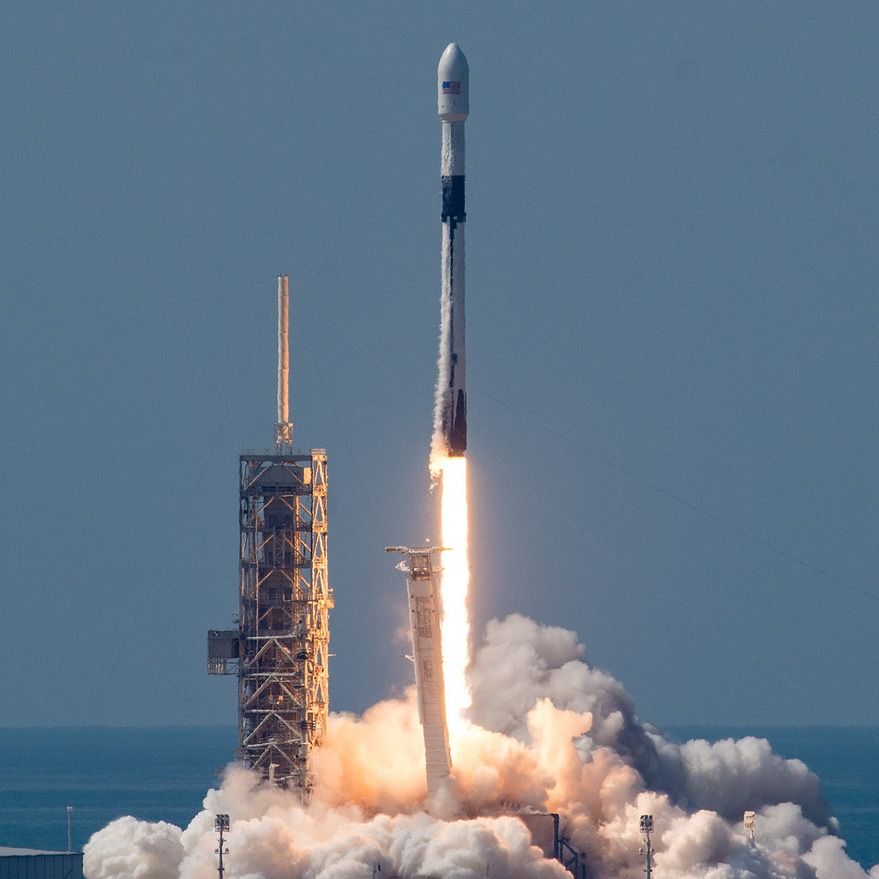
NASA’s Dependence on SpaceX After ISS
SpaceX’s proven track record ensures it will remain NASA’s go-to partner for safe and cost-effective missions with few rivals matching its success in reusability and SpaceX will continue to play a leading role in enabling U.S. access to space and shaping post-ISS exploration strategies.
(Photo: Pinterest)
SpaceX Shaping the Future
With the ISS nearing its end, SpaceX stands ready to lead the transition into the next phase of space exploration. From supplying private stations to enabling lunar and Martian missions SpaceX’s role will be pivotal in sustaining human presence in orbit and beyond.
(Photo: Pinterest)