

Samosa’s Journey: From Central Asian Treat to Global Snack
Samosa has become more than a snack it is a journey with centuries and cultures attached. The samosa was initially a baked pastry from Central Asia, which turned towards Persia before being embraced by India and further developed as that well-known crispy, spiced triangle. Local flavors and frying methods adapted it from there and it became a street food superstar with chutneys and tea. Over the years, regional adaptations sprang up from North Indian delicacies stuffed with paneer to Southern versions with a kick of coconut spice. The samosa now stands as the global snack of culture exchanges, comforting and bringing people together. As it stands, the samosa is a mouthwatering reminder that food truly connects people across borders and traditions.
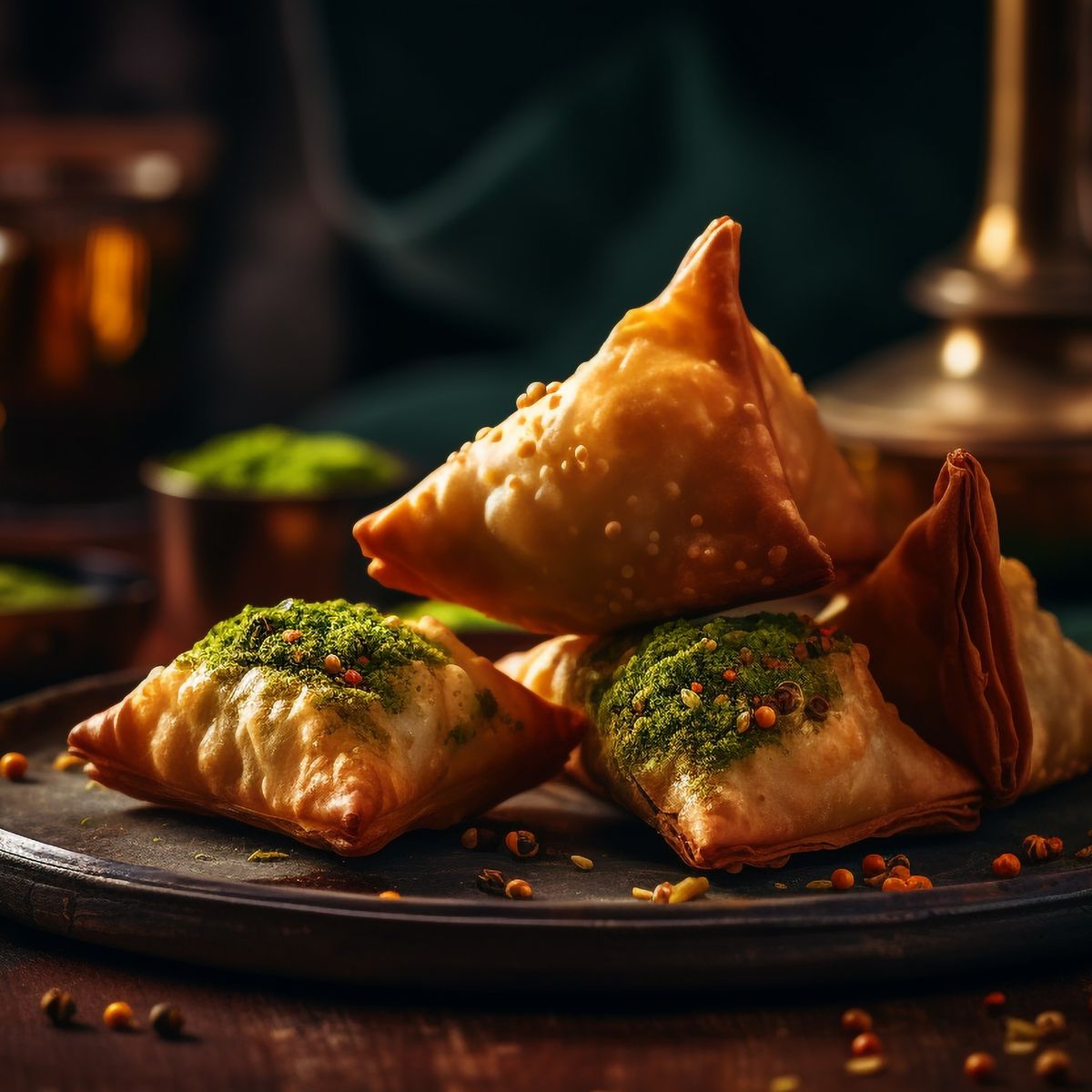
Timeless Tale of the Samosa
Samosa is more than just a snack it is originating centuries ago, this triangular treat has crossed borders, evolved in flavors and become a beloved street food in India. Its journey reflects the blending of tradition with taste that defines culinary history.
(Photo: Pinterest)
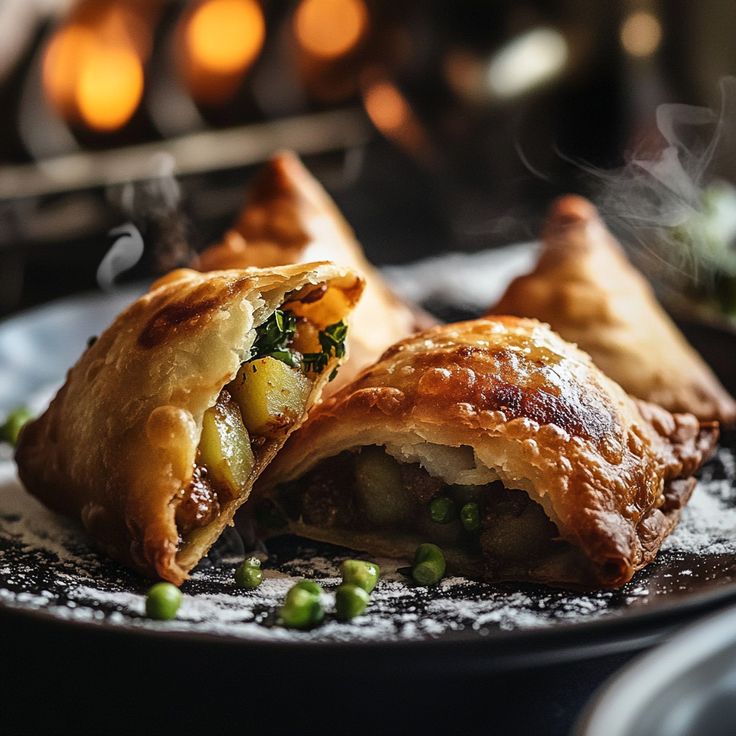
Central Asian Origins of the Samosa
Samosa’s journey began in Central Asia, where it was called ‘samsa.’ These baked pastries usually filled with minced meat, nuts and spices, were portable meals for merchants and travelers. They symbolized convenience and taste, spreading slowly through trade routes into Persia and the Indian subcontinent.
(Photo: Pinterest)
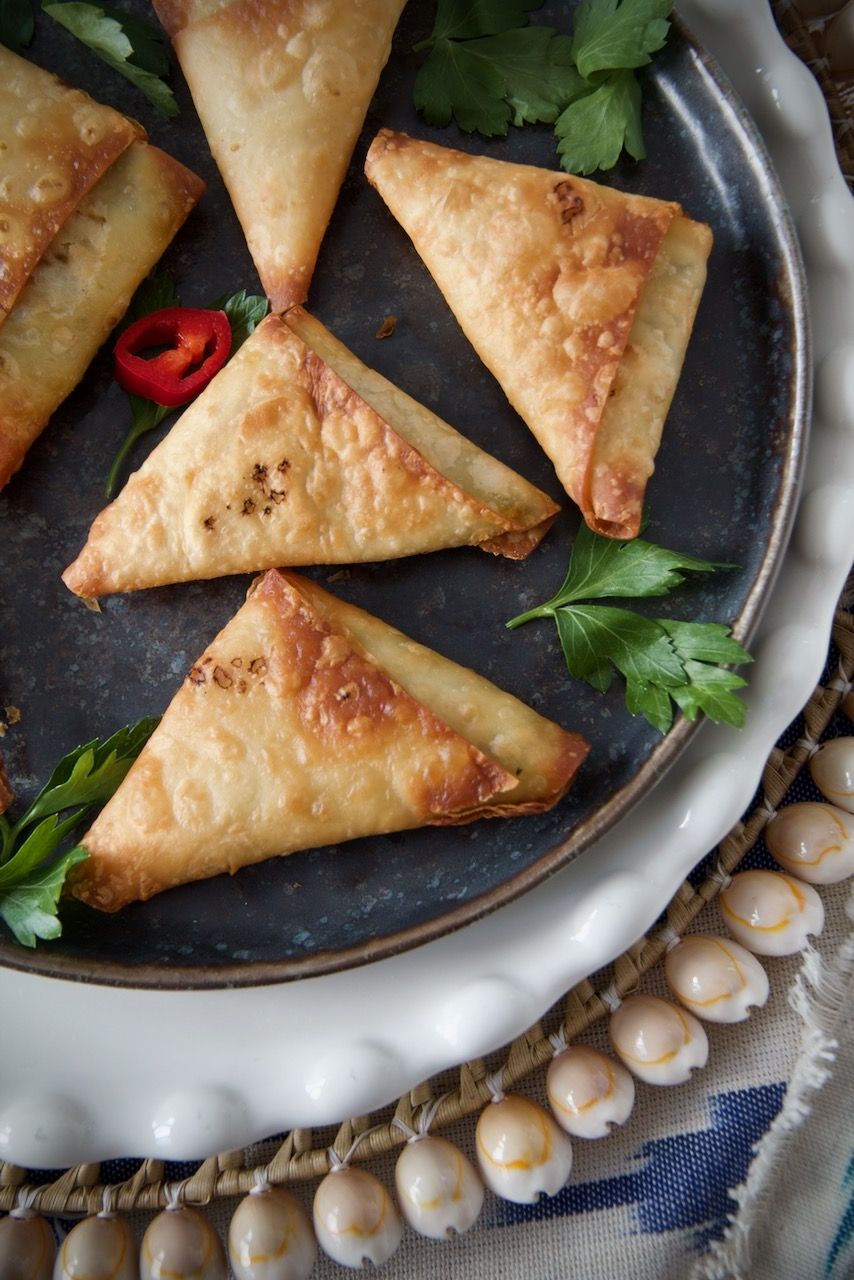
Persian Influence on the Samosa
As the samosa traveled into Persia, it transformed into a delicacy fit for royalty. Known for lavish fillings of minced lamb, pistachios and saffron, it showcased Persian culinary richness. This royal adaptation laid the foundation for the spiced, filled pastry that would later flourish in Indian kitchens.
(Photo: Pinterest)
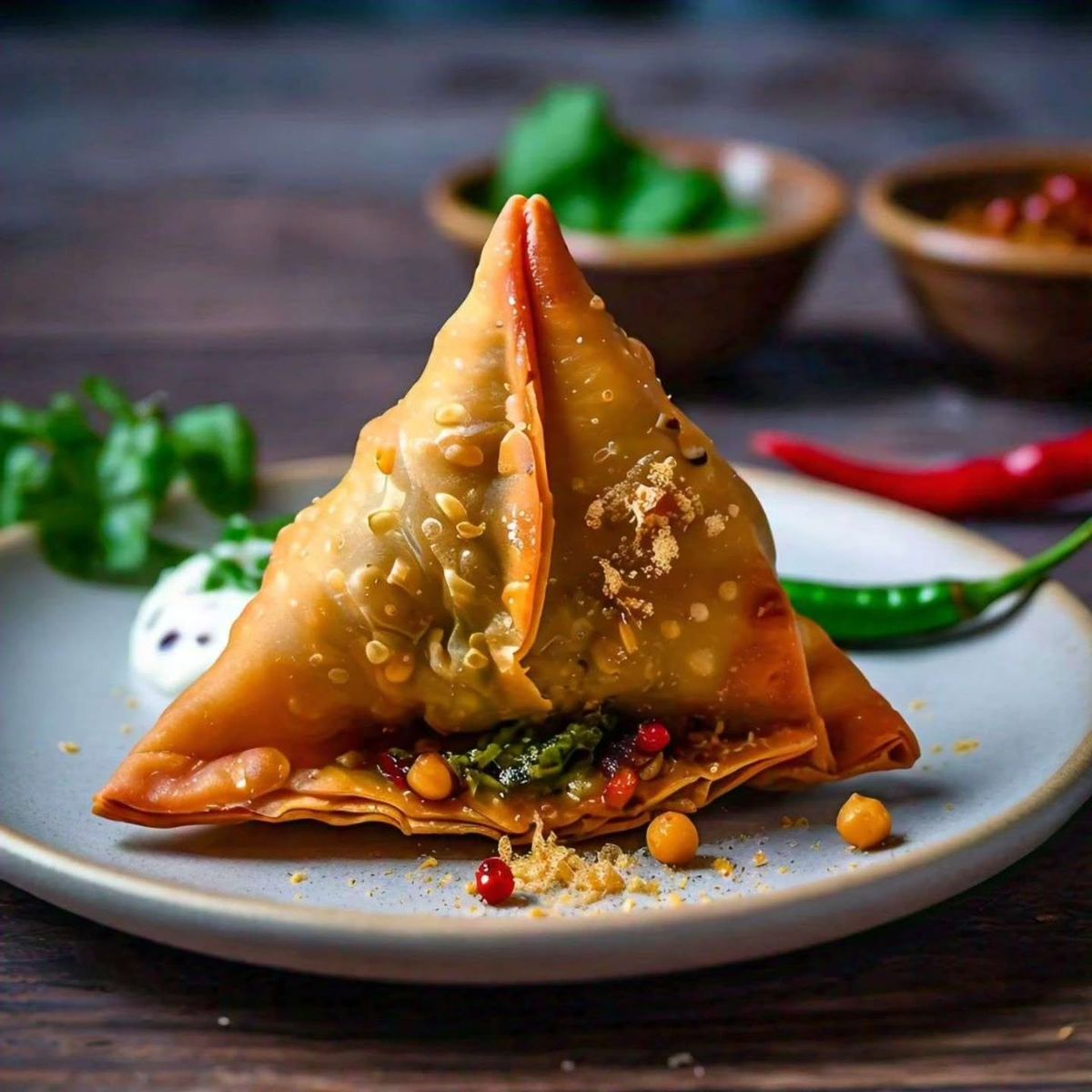
Arrival in India: A Culinary Revolution
Traders and Mughal influences introduced the samosa to India, where it quickly adapted to local tastes. Spices like cumin, coriander and chili were added, while frying replaced baking. This fusion created the crispy, spicy samosa we know today a perfect balance of Indian flavor and historic roots.
(Photo: Pinterest)
The Indian Street Food Favorite
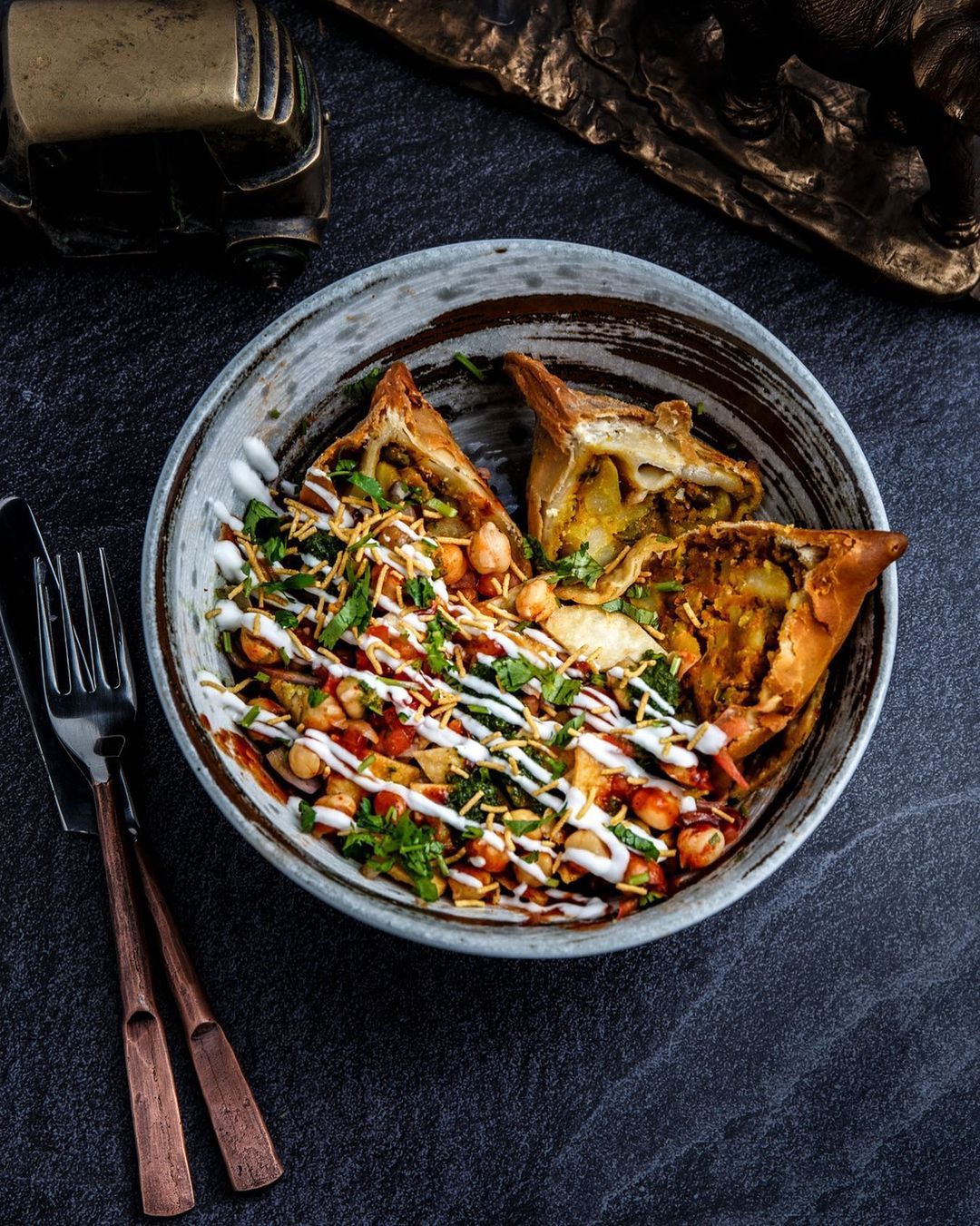
In India, the samosa found its true identity as a street food delight. Affordable, filling and flavorful, it became a snack for all, enjoyed with tangy chutneys and hot chai. From roadside stalls to big cities, the samosa symbolizes community, comfort and everyday indulgence.
(Photo: Pinterest)
Regional Variations of the Samosa
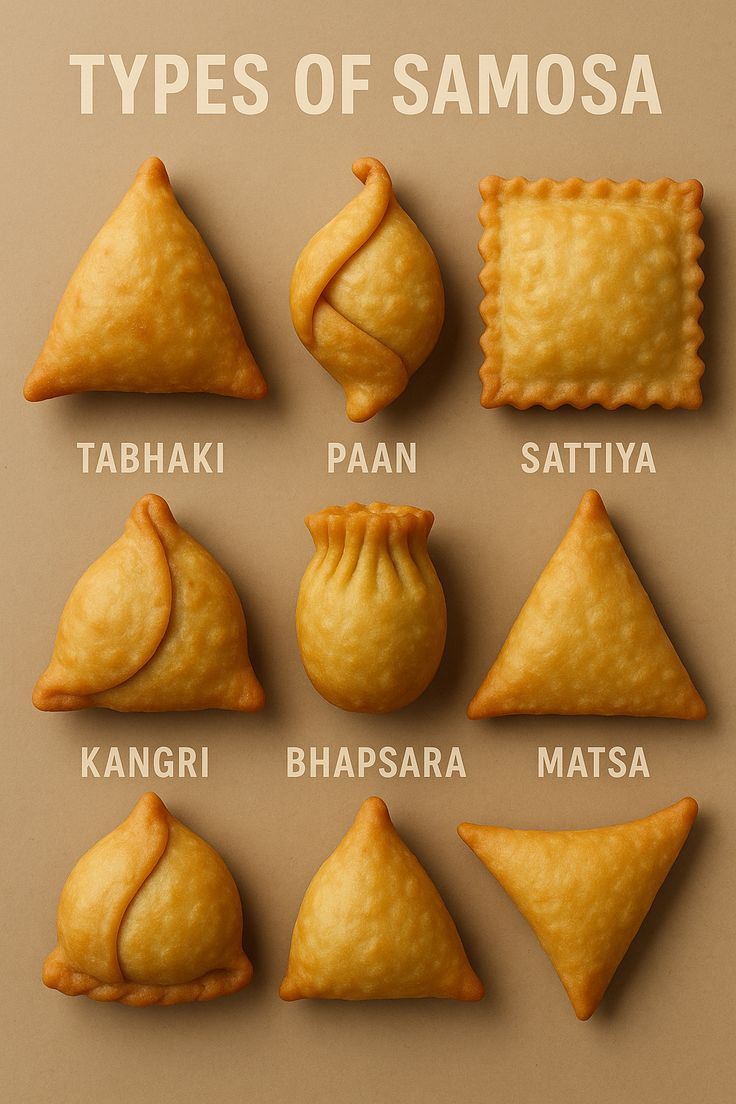
India’s diversity shines through its many samosa variations. North India loves aloo panneer fillings, while Bengal enjoys mutton keema versions. In South India, coconut and curry leaves bring a unique twist. These variations highlight how each region shaped the snack to reflect local tastes and traditions.
(Photo: Pinterest)
Samosas Beyond India’s Borders
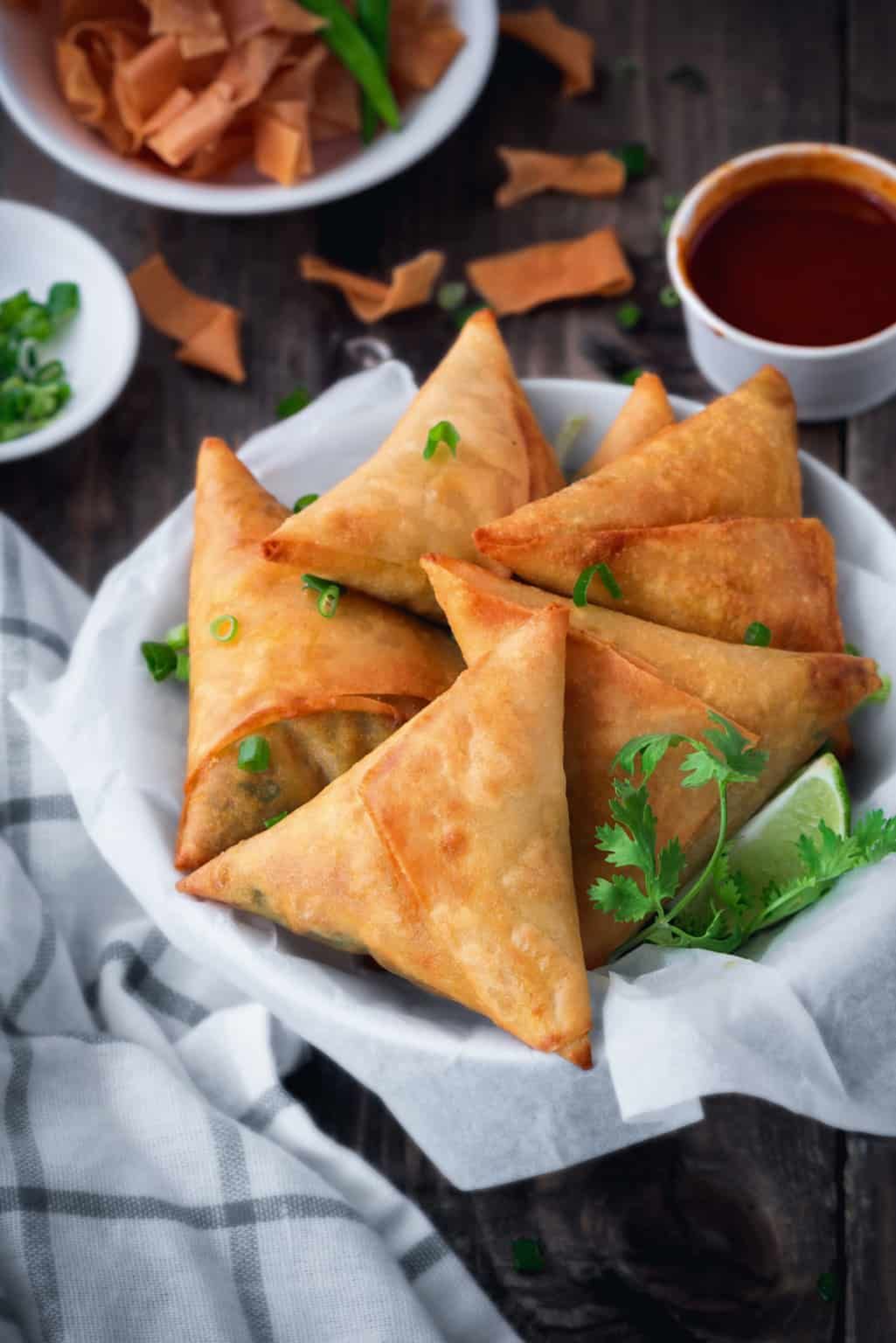
Samosa has crossed oceans and thriving in global cuisines. In Africa, they are stuffed with spiced beef and in the UK, they have become a staple takeaway snack. This global journey highlights its adaptability, making the samosa one of the most recognized and loved snacks across the world.
(Photo: Pinterest)

A Symbol of Shared Culture and Flavor
Samosa is not just a snack it’s a story of cultural exchange and togetherness. From royal courts to roadside stalls, its journey reflects human history and culinary creativity. Whether enjoyed in India, Africa or Europe, the samosa symbolizes unity through shared flavors and traditions.
(Photo: Pinterest)




