NASA’s Space Suits: How Astronauts Survive in Space
NASA astronaut space suits are advanced engineering marvels designed for survival in space. From layered protection and temperature control to oxygen systems and helmets each part ensures safety and mobility. Evolving through decades, these suits continue to advance, preparing astronauts for future Moon, Mars and deep-space missions.
Evolution of NASA’s Space Suits
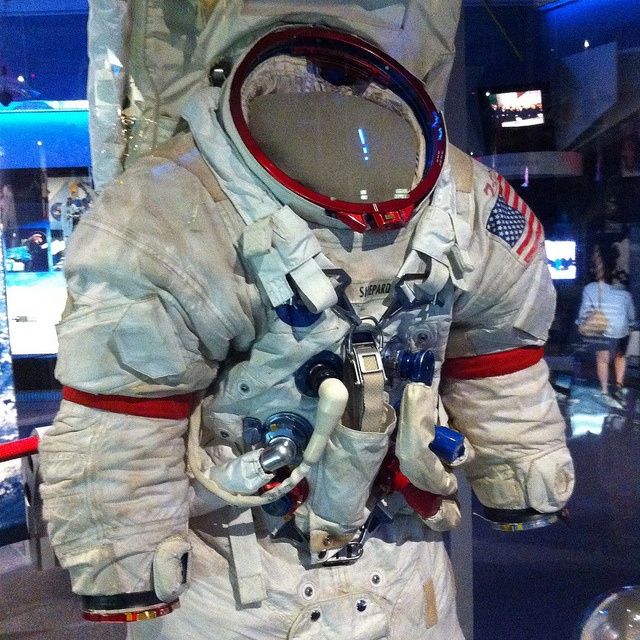
NASA’s space suits have come a long way since Apollo with early designs were heavy and rigid but offered necessary protection from radiation, micrometeoroids and temperature extremes. Each generation of suits reflects technological advances, focusing on durability, flexibility and astronaut comfort while enabling missions beyond Earth’s atmosphere.
Layers of Safety in Space Suits
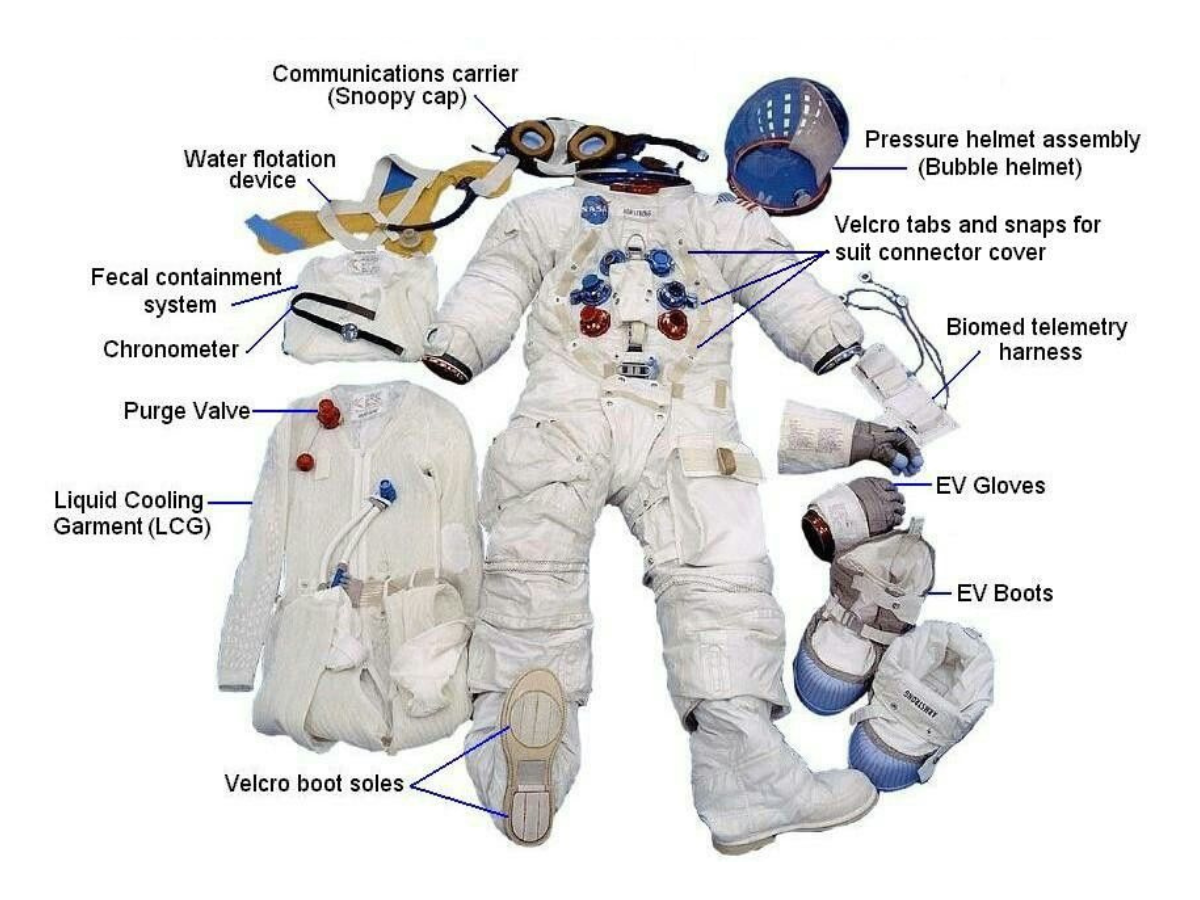
A space suit is built with 14 to 16 layers, each serving a critical role with the outer layer resists abrasions, while middle layers provide insulation. The inner bladder keeps oxygen circulating. Together, these materials protect astronauts from hazards, including space radiation, vacuum conditions and micrometeoroid strikes.
(Photo: Pinterest)

Oxygen & Life Support Systems
The backpack like Portable Life Support System is the suit’s hear and it pumps oxygen, removes carbon dioxide, regulates temperature and manages humidity. Without this mini life-support system, astronauts could not survive in space’s vacuum. It ensures steady breathing, stable conditions and mobility during long spacewalks.
(Photo: Pinterest)
Temperature Control in Extreme Conditions
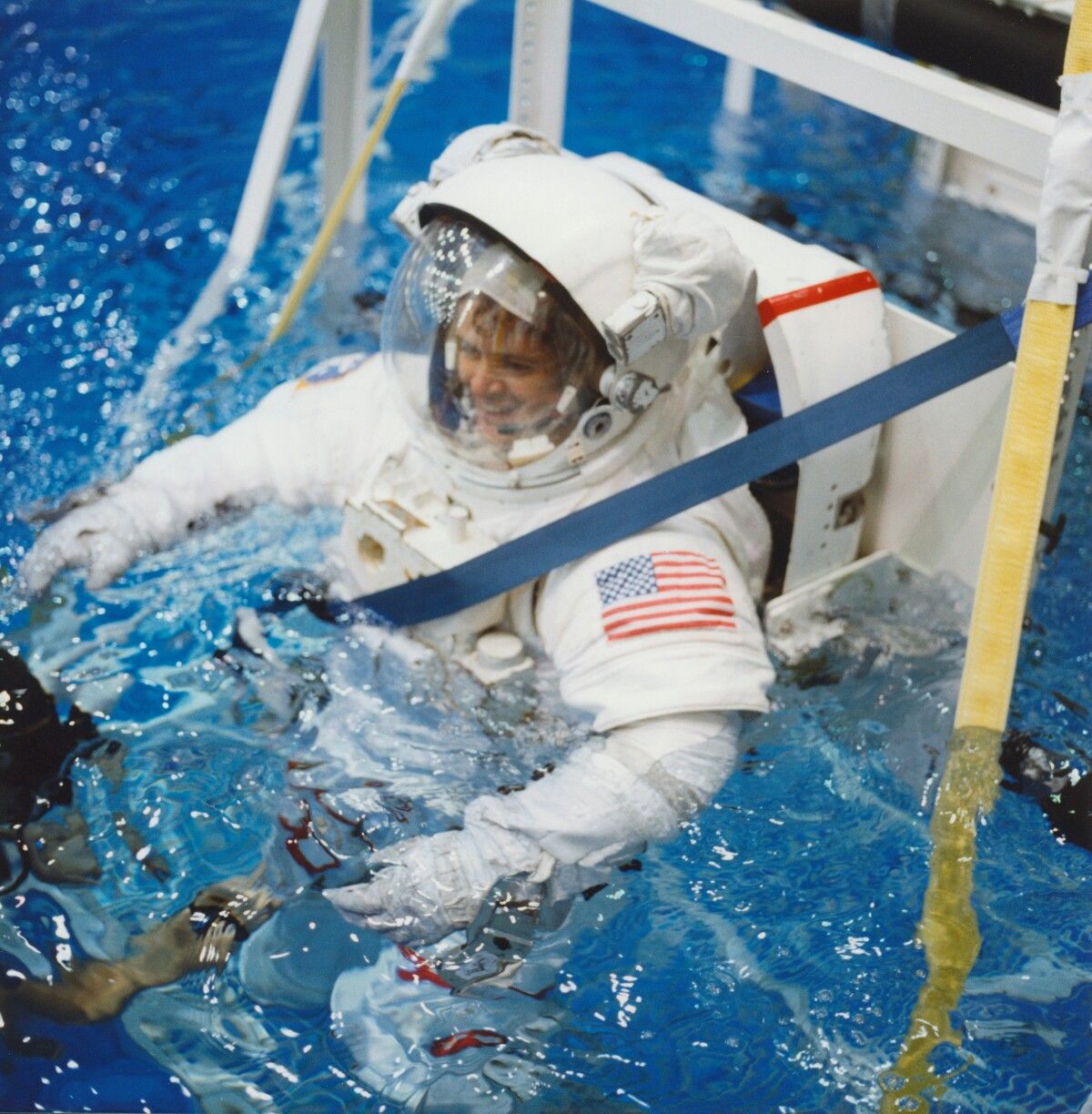
In space, temperatures swing from -250°F in shade to +250°F in sunlight. Astronauts wear liquid cooling garments tight suits with tubes carrying chilled water. This system maintains a stable body temperature, preventing overheating and exhaustion during strenuous tasks outside the spacecraft and it’s vital for survival in extremes.
(Photo: Pinterest)
Helmets & Visors for Vision & Safety
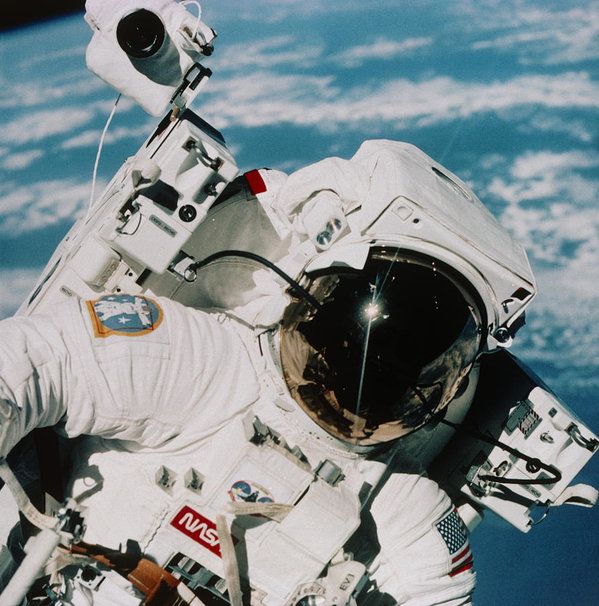
Space helmets are more than shields they provide oxygen, communication and visibility. A gold-coated visor protects against harmful solar radiation and bright sunlight. Built-in microphones allow communication, while a sunshade visor reduces glare. This ensures astronauts can work safely without risking vision damage or disorientation in orbit.
(Photo: Pinterest)
Gloves Built for Dexterity & Strength
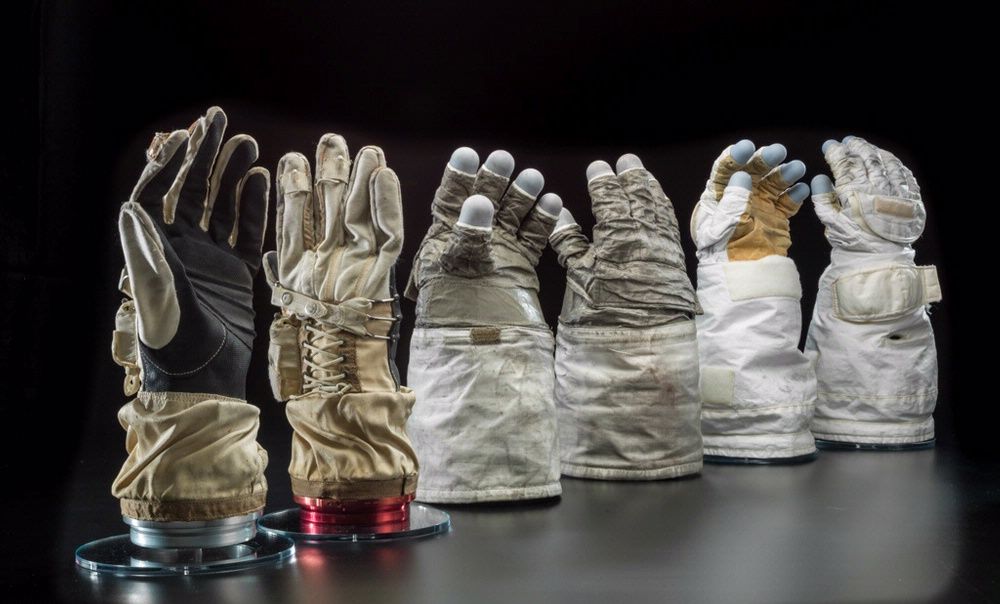
Gloves are one of the hardest parts to design and they must allow dexterity for tool handling while protecting from space hazards. Reinforced fingertips improve grip, while insulation shields from extreme heat and cold. Advanced gloves balance strength and flexibility, preventing fatigue during long and complex spacewalks.
(Photo: Pinterest)
Next-Gen Space Suits for Mars Missions
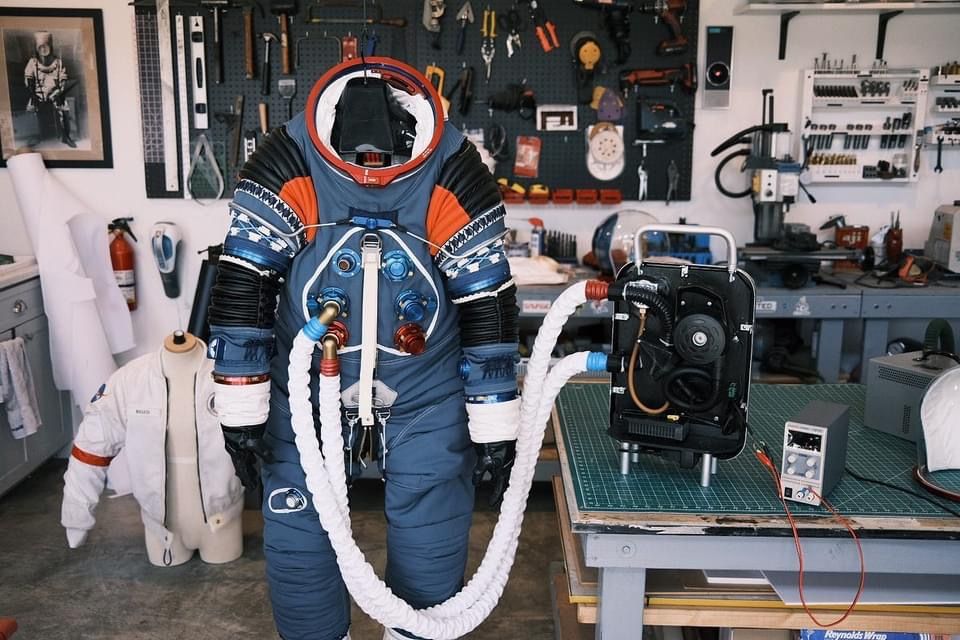
NASA’s future suits like those for Artemis and Mars, focus on agility and durability. These lighter designs enhance astronaut movement and safety while supporting longer missions. Improved dust resistance, flexibility and upgraded life support systems aim to help astronauts survive and thrive on the Moon and beyond.
(Photo: Pinterest)