NASA Voyager Reveals Why Space’s 50,000°C Firewall Isn’t Solid
The voyage of Voyager 1 undeniably altered the landscape of our understanding of space concerning the edge of the solar system. Astrophysicists hoped for a hit at the defining boundary but the probe found instead a soft multi-layered barrier where solar wind slows down and caps with particles of the interstellar medium. The heliopause is the region that acts as a cosmic sieve where harmful rays are blocked but allow some to come through. The new horizon set before discovered by the voyager is no less than a reformer of space science and guiding us in the latest scientific understanding of the interaction of our solar system and the galaxy in its function of life protection on Earth. Voyager’s findings continue to inspire astronomers and space explorers imagining themselves discovering the mysteries of the cosmos.
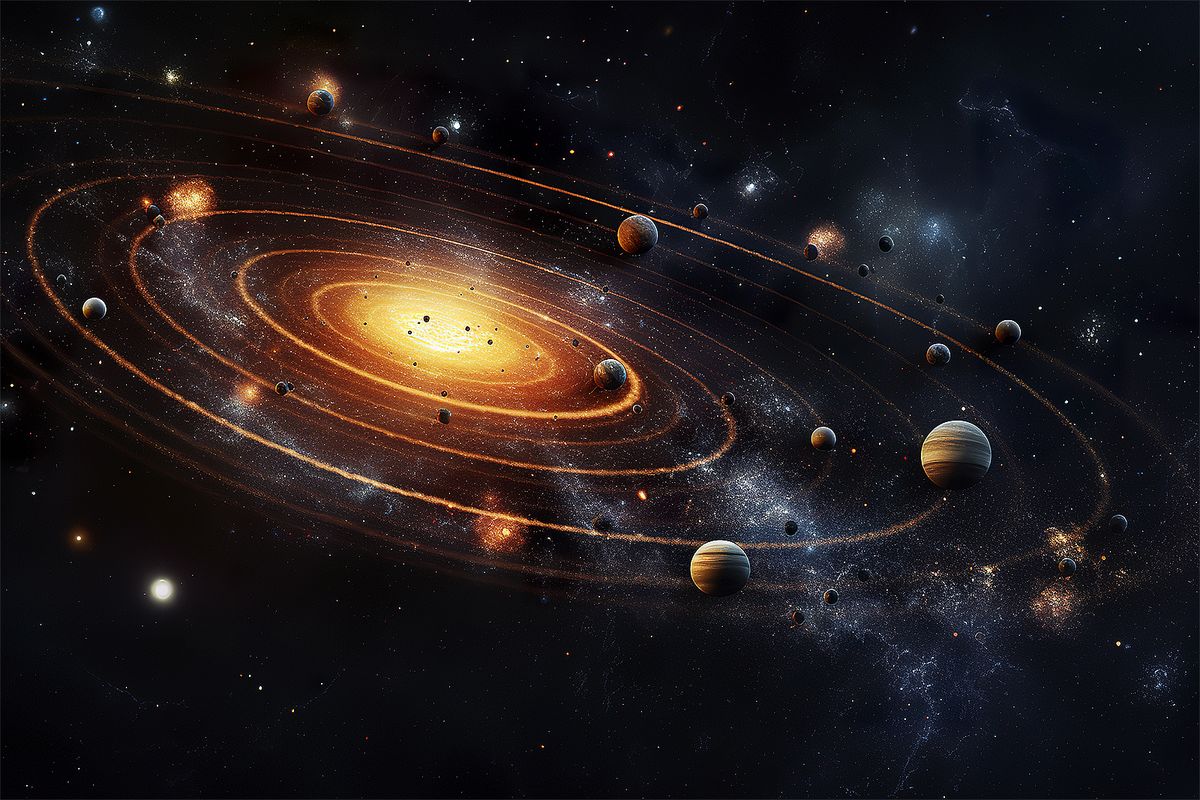
Voyager’s Journey Beyond the Solar Boundary
Voyager 1’s crossing in 2012 shocked scientists by showing a complex transition zone instead of a sharp edge and changing how we view space boundaries.
(Photo: Pinterest)
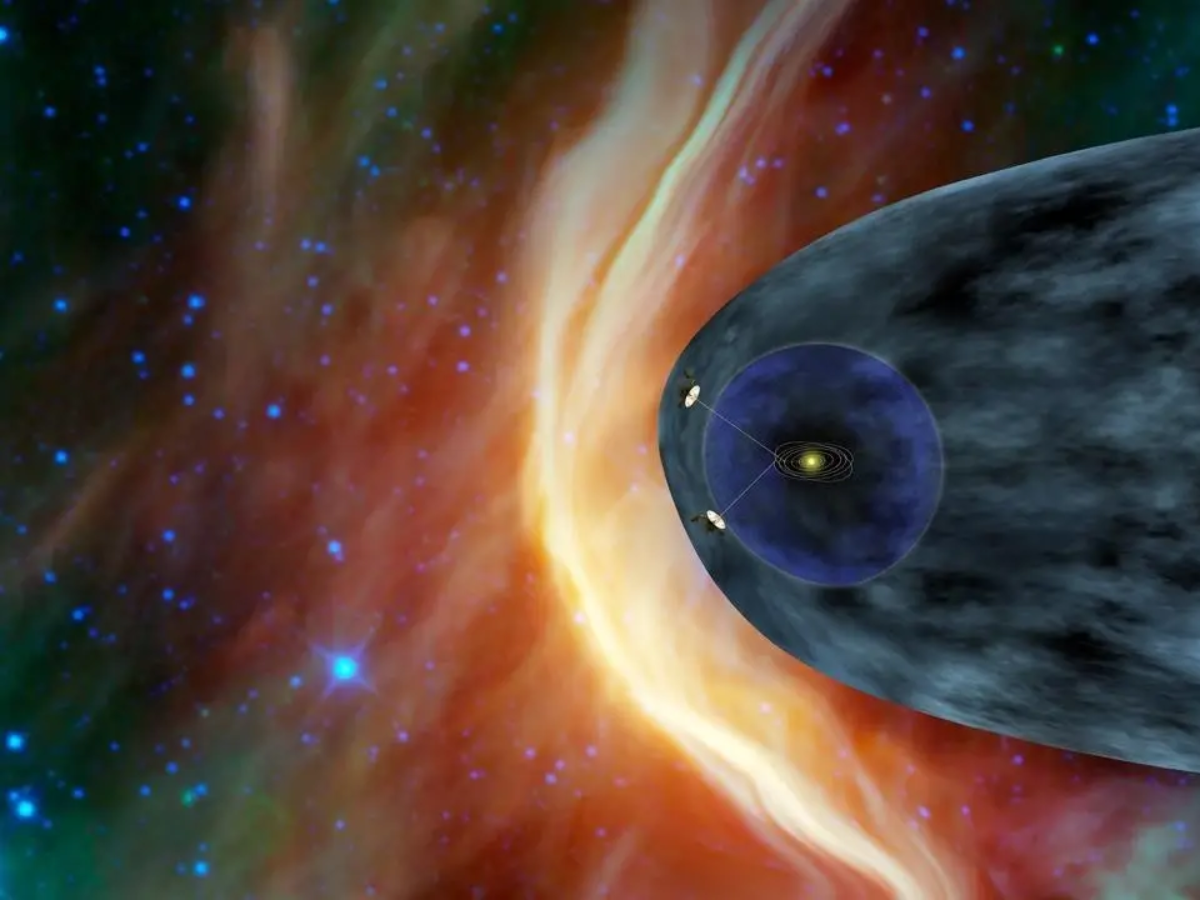
Not a Solid Wall but a Subtle Transition
Voyager’s data confirmed the boundary wasn’t solid but layered with charged particles interacting, creating a diffuse and dynamic interface in space.
(Photo: NASA)
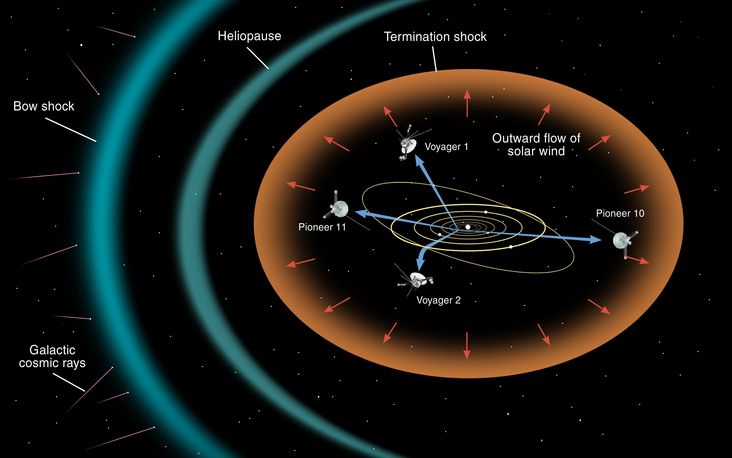
Filtering Cosmic Rays at the Edge
Voyager’s instruments detected how this zone blocks high-energy cosmic rays, shielding Earth and its neighbors from dangerous space radiation.
(Photo: Pinterest)
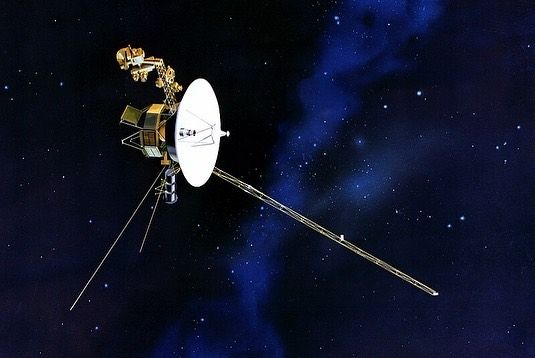
Why Scientists Expected a Cosmic Wall
Scientists thought Voyager would hit a solid barrier at the heliopause but instead, it encountered a complex, dynamic region full of surprises.
(Photo: Pinterest)
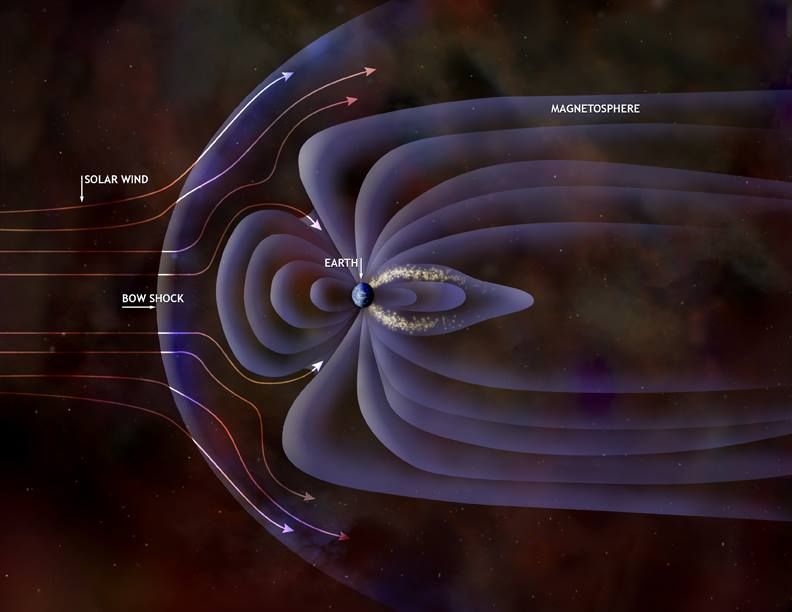
How the Heliopause Protects Our Solar System
The heliopause helps limit the harmful effects of cosmic radiation, protecting life on Earth and nearby planets from potentially dangerous space particles.
(Photo: Pinterest)
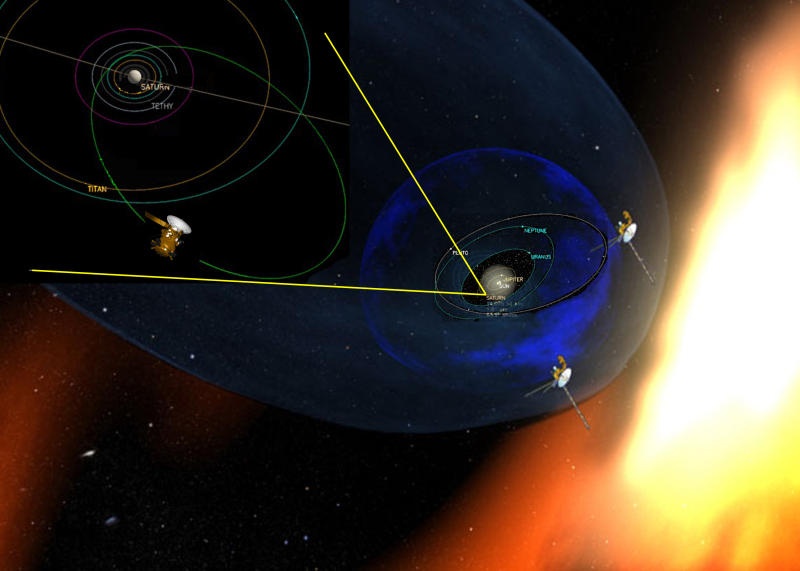
A Cosmic Sponge & Not a Firewall
Instead of a rigid barrier Voyager proved the heliopause absorbs and softens cosmic rays, acting like a sponge filtering interstellar radiation.
(Photo: Pinterest)
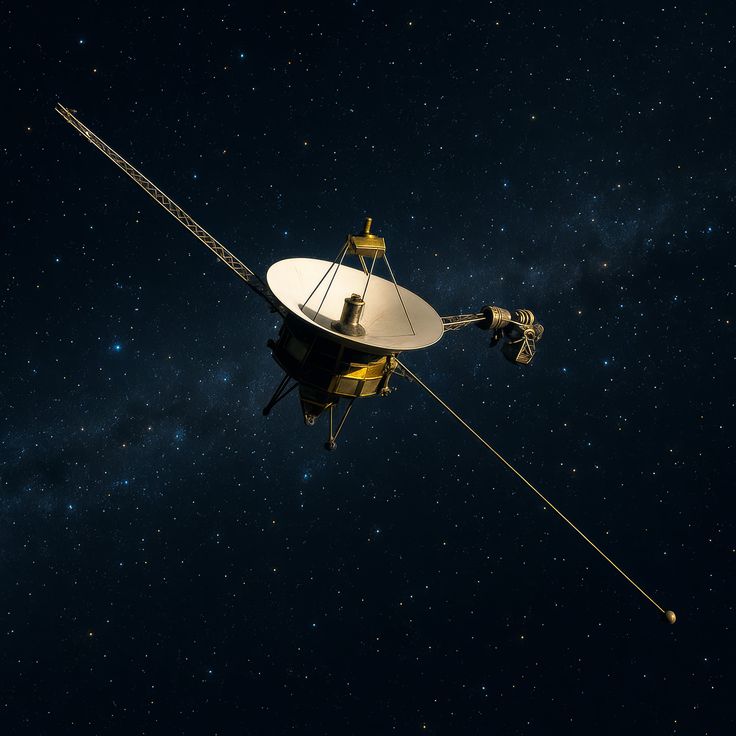
Voyager’s Legacy: Redefining Space Boundaries
By directly exploring the solar system’s edge, Voyager transformed space science and helping scientists understand how our solar system interacts with the wider galaxy.
(Photo: Pinterest)