

Explore the World’s Most Powerful Non-Nuclear Bombs
Non-nuclear bombs like the MOAB, FOAB and BLU-82 are among the most powerful conventional explosives. These weapons are used in military operations to deliver massive destruction, shock enemy forces and target fortified structures without radioactive fallout. They remain essential tools in modern warfare strategies across the globe.
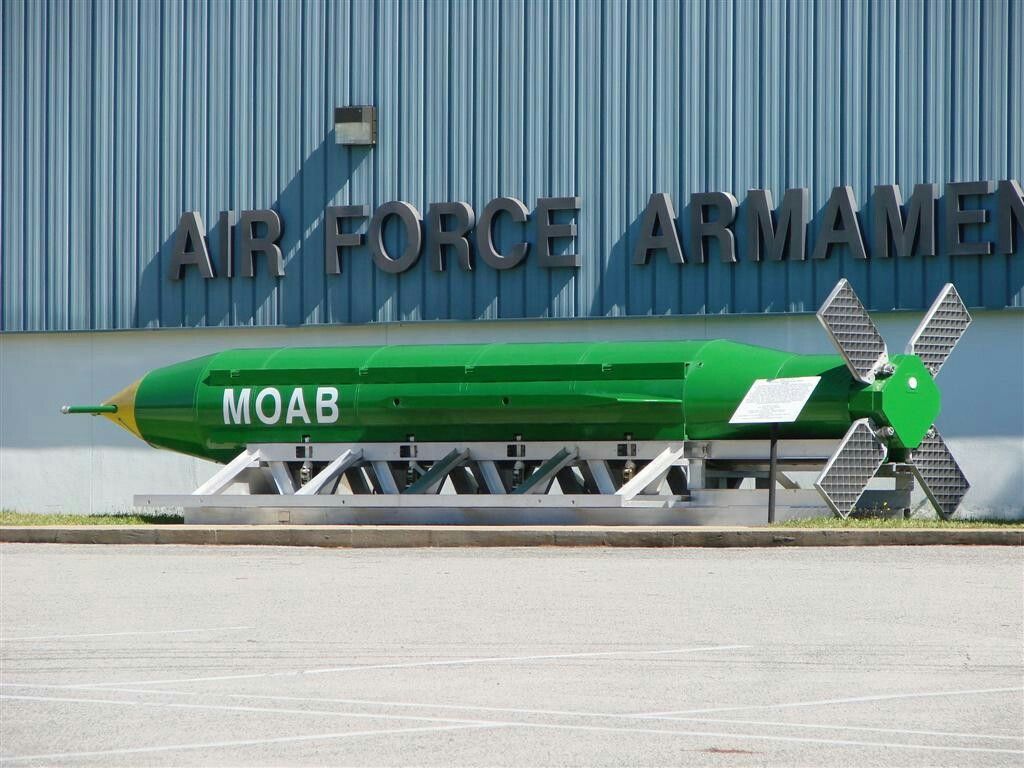
MOAB (Massive Ordnance Air Blast)
The Massive Ordnance Air Blast, or MOAB, is the largest non-nuclear bomb in the U.S. arsenal. Weighing over 21,000 lbs, it’s designed to destroy underground bunkers and enemy fortifications. The bomb’s shockwave and blast radius make it one of the most feared conventional explosives in military history.
(Photo: Pinterest)
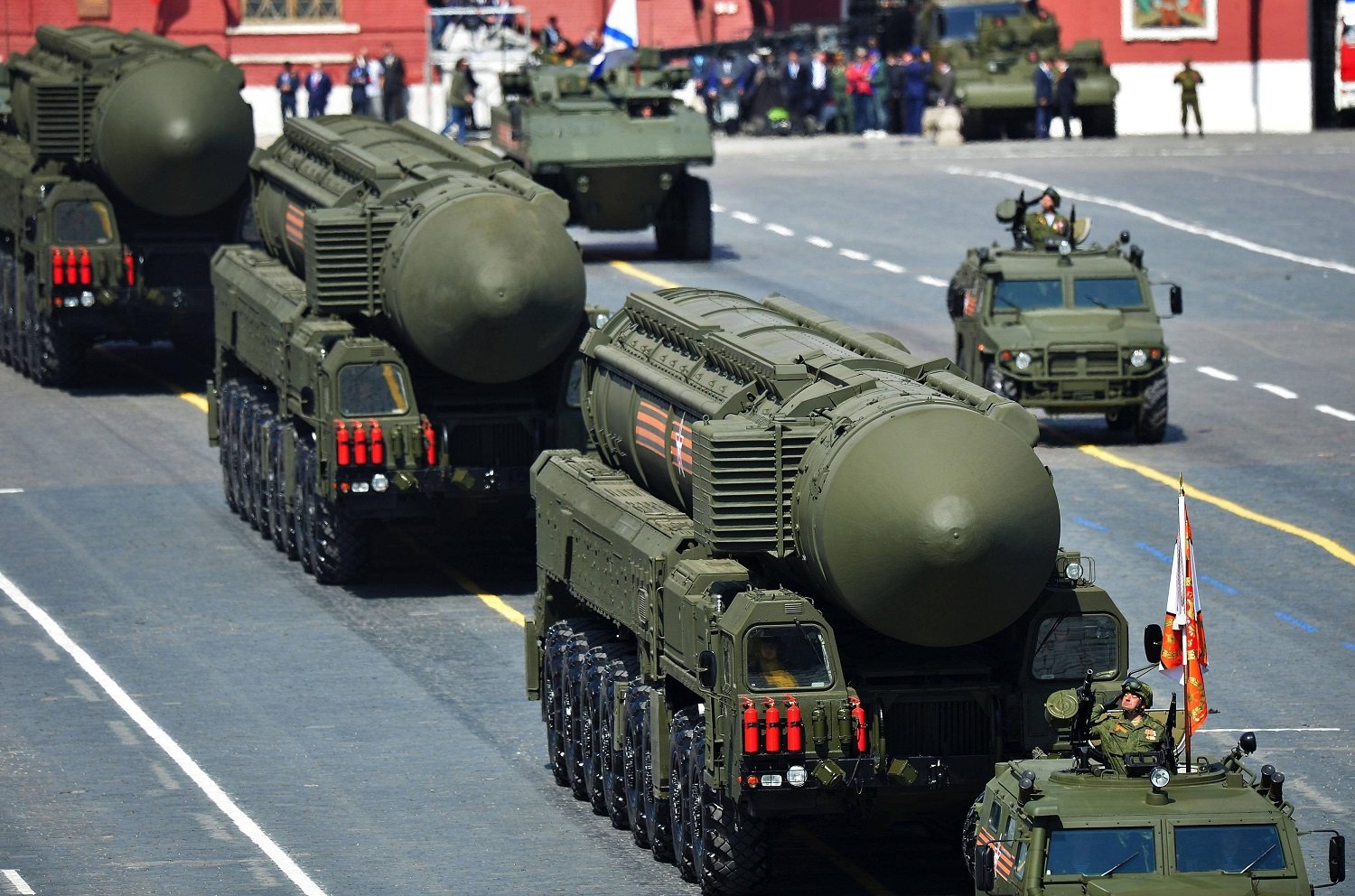
FOAB (Father of All Bombs)
The Father of All Bombs, or FOAB, is Russia’s answer to the MOAB. It’s a thermobaric weapon with a blast power nearly twice that of its American counterpart. Designed for maximum shockwave destruction, the FOAB can annihilate entire areas and disrupt enemy supply lines in combat zones.
(Photo: Pinterest)
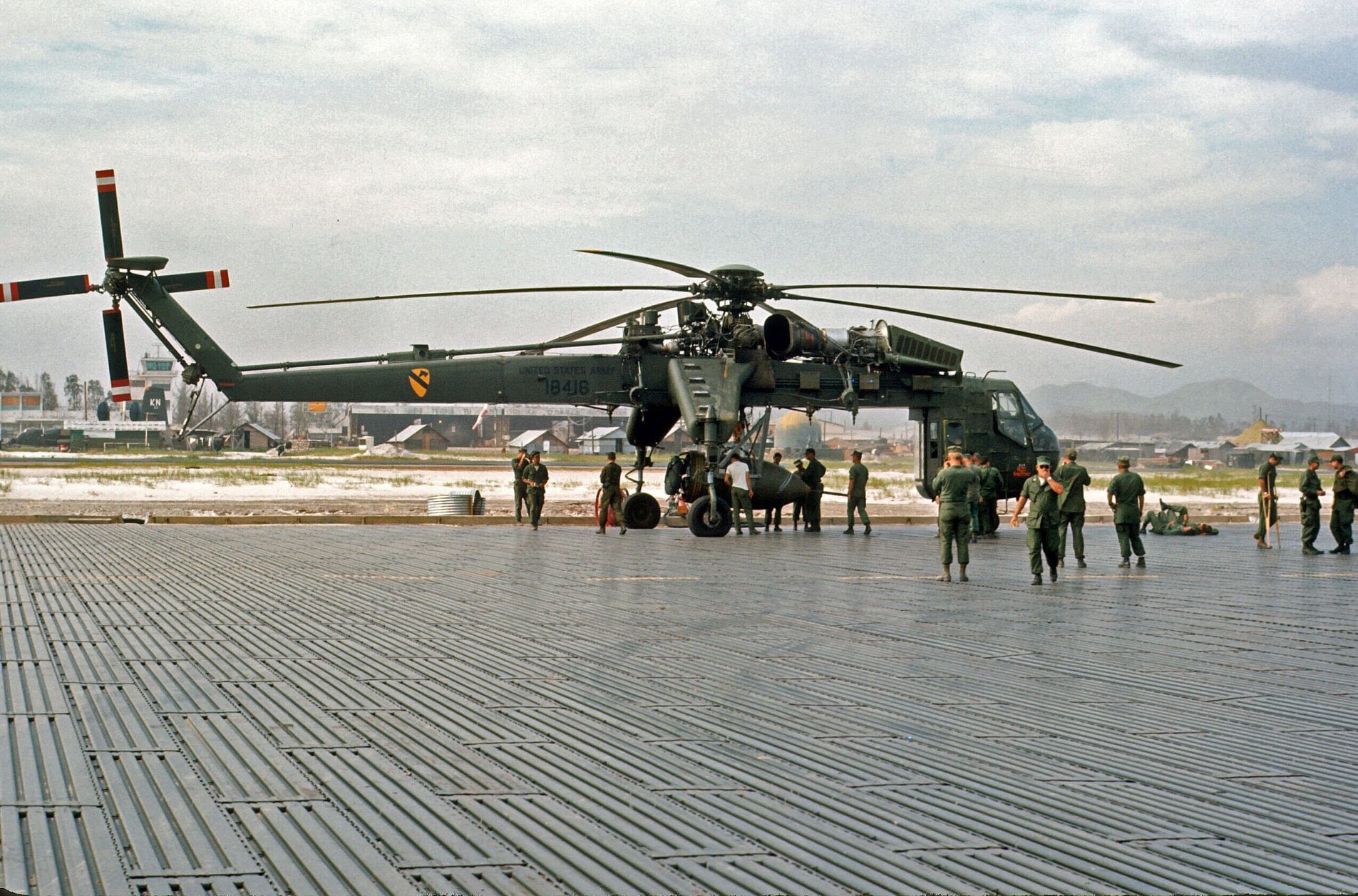
BLU-82 Daisy Cutter
The BLU-82, famously known as the Daisy Cutter, saw action in Vietnam and Afghanistan. Weighing over 15,000 lbs, it was used to clear dense vegetation and create landing zones. Its blast effect shocked enemy lines and served as a psychological weapon, leaving a lasting impact on warfare tactics
(Photo: X | @henry_Pringles)
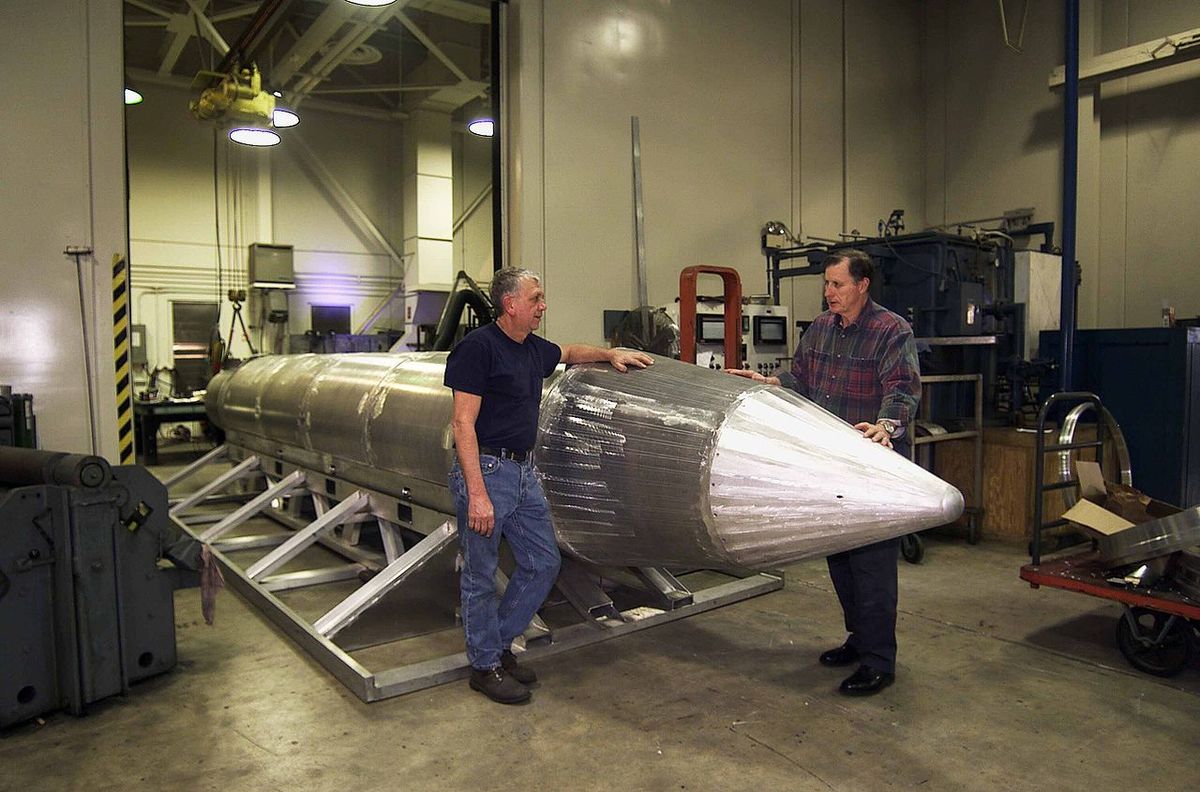
GBU-43/B MOAB Variant
The GBU-43/B is a modern version of the MOAB, combining precise GPS targeting with explosive power. It is designed to neutralize hardened enemy installations with extreme efficiency. Used sparingly, its deployment ensures focused destruction while minimizing collateral damage, showcasing how advanced technology enhances conventional warfare.
(Photo: Pinterest)
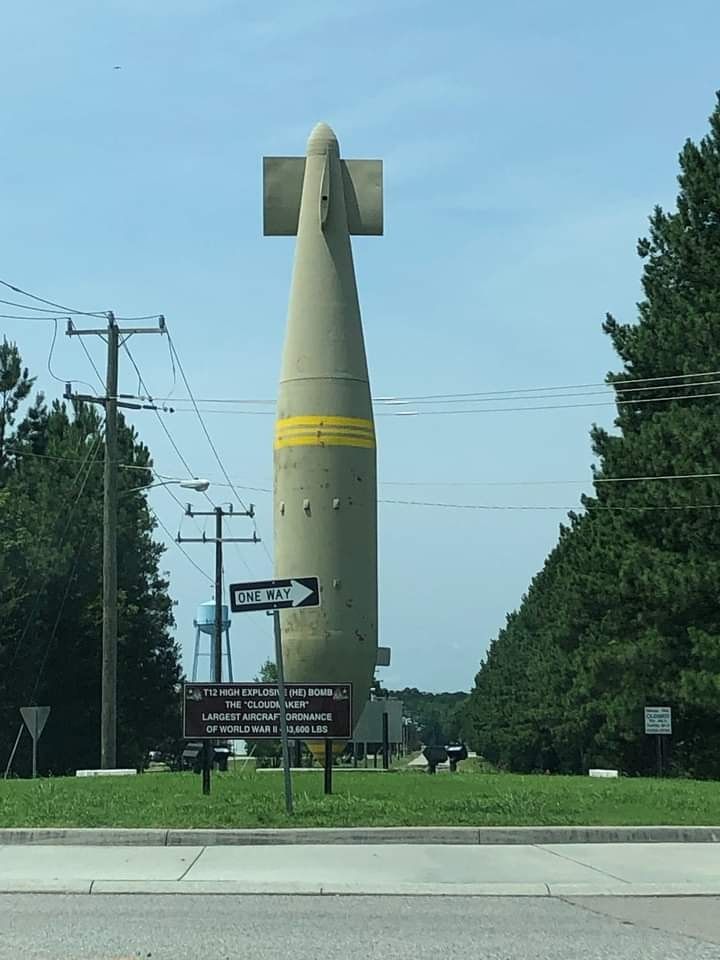
T-12 Cloudmaker
The T-12 Cloudmaker, a powerful bunker-buster bomb, was built to demolish fortified underground targets. Weighing over 43,000 lbs, it’s one of the heaviest bombs ever developed. Its use in specific military operations allowed forces to neutralize hidden threats, making it a key tool in strategic warfare planning.
(Photo: Pinterest)




