Earth’s Top 7 Driest Places Where Rain Rarely Ever Falls
From the scorching Atacama to Antarctica’s icy Dry Valleys, Earth is home to extreme landscapes with almost no rainfall. These driest places challenge survival yet showcase nature’s resilience and unique beauty. Each desert or arid region tells a story of adaptation in the harshest conditions on our planet.
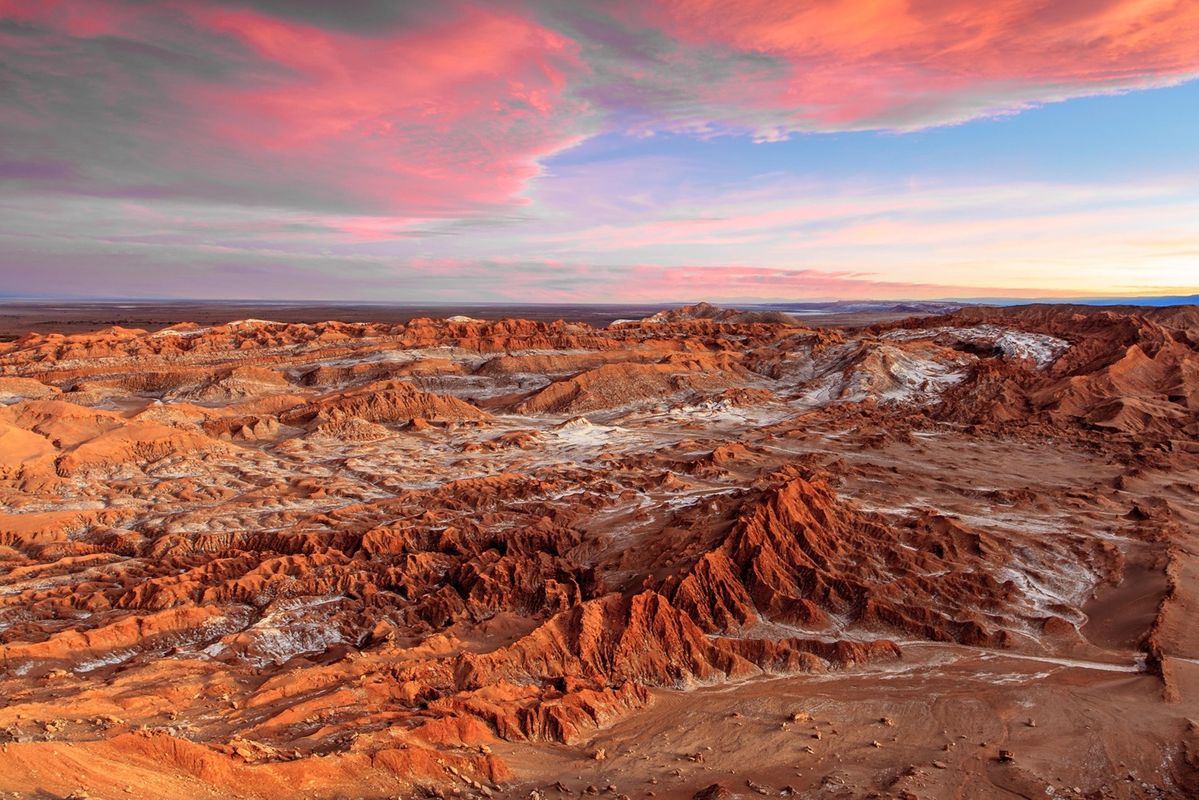
Atacama Desert, Chile
The Atacama Desert in Chile is considered the driest place on Earth. Some weather stations in the region have never recorded rain. Its Martian like landscape attracts scientists, astronomers and tourists. Despite its arid climate, it supports unique flora and fauna adapted to extreme dryness.
(Photo: Pinterest)
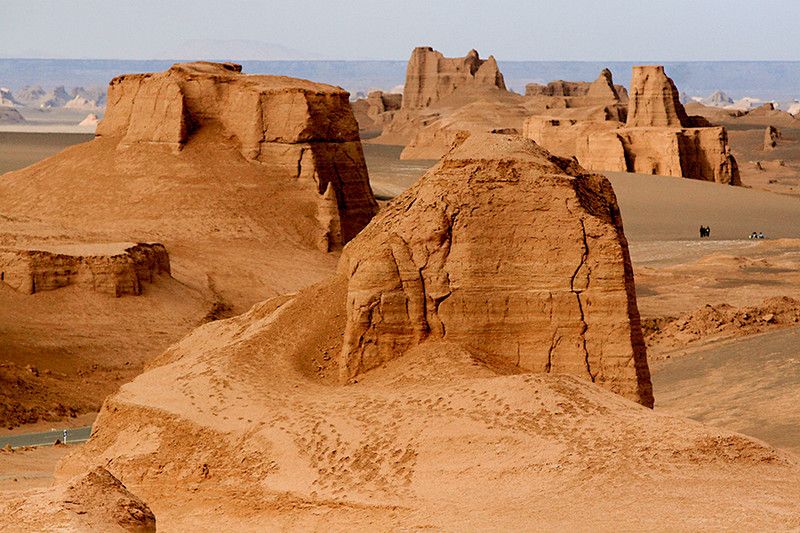
Lut Desert, Iran
It is Known as Dasht-e Lut, this desert in Iran is one of the driest and hottest places on Earth. NASA satellites recorded ground temperatures reaching 159°F (70.7°C) with almost no vegetation, Lut Desert is a striking example of Earth’s extreme arid regions.
(Photo: Pinterest)
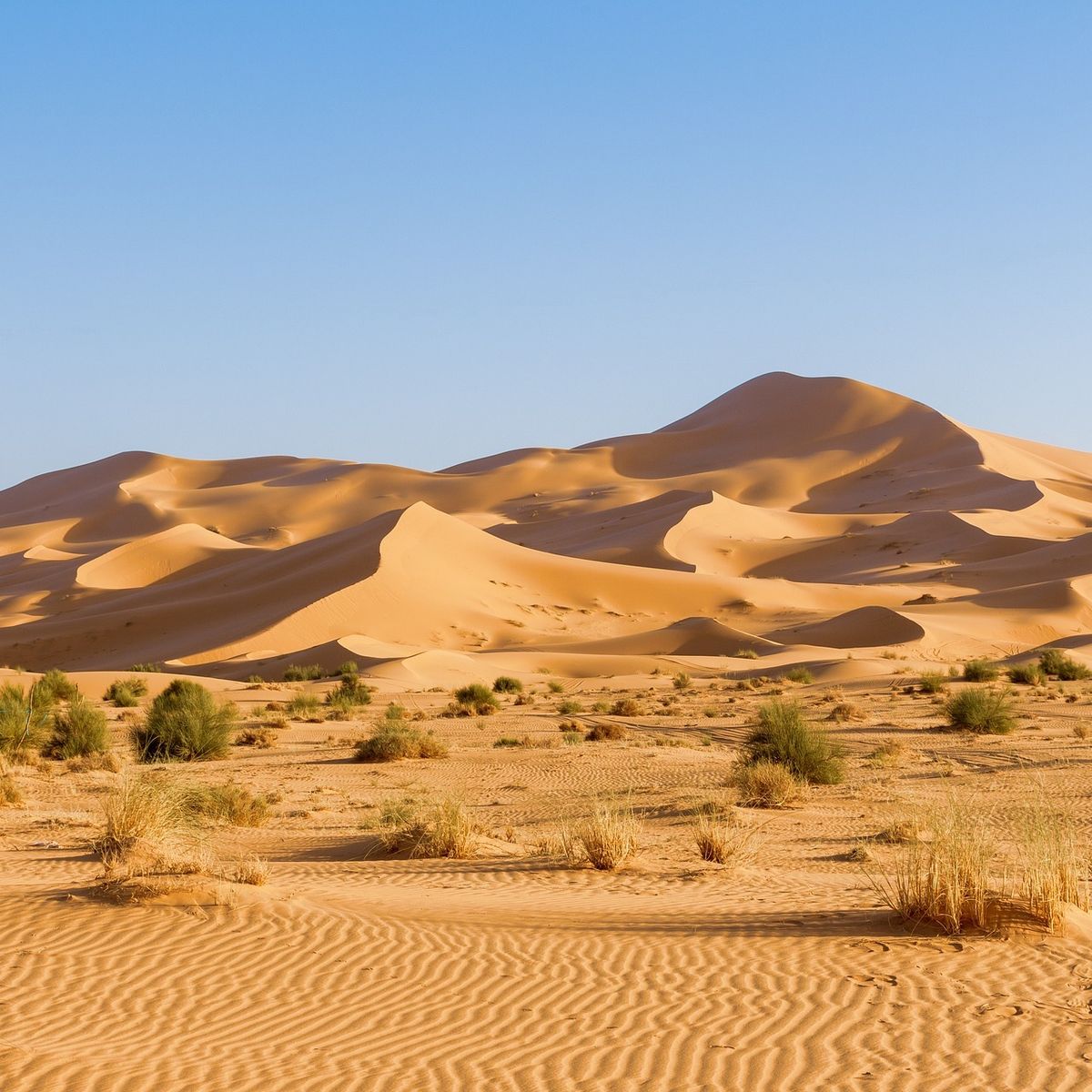
Sahara Desert, Africa
The Sahara Desert covers 9 million square kilometers and it experiences less than 3 inches of annual rainfall in many areas. Despite its dryness, it’s home to nomadic tribes and resilient desert wildlife adapted to extreme heat and scarcity of water.
(Photo: Pinterest)
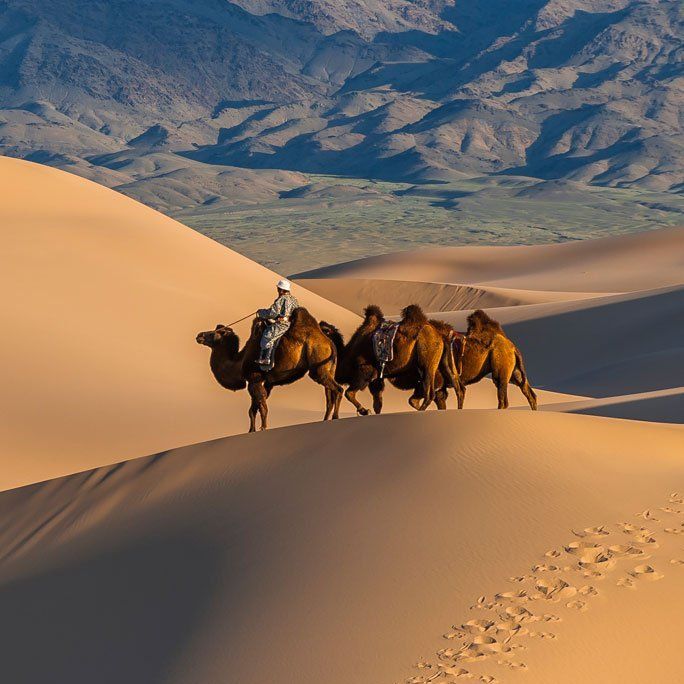
Gobi Desert, Mongolia & China
The Gobi Desert is a cold desert with dry conditions, strong winds and rocky terrain. It gets only 7 inches of rainfall annually and known for its temperature extremes, it can swing from scorching heat to freezing cold within hours.
(Photo: Pinterest)
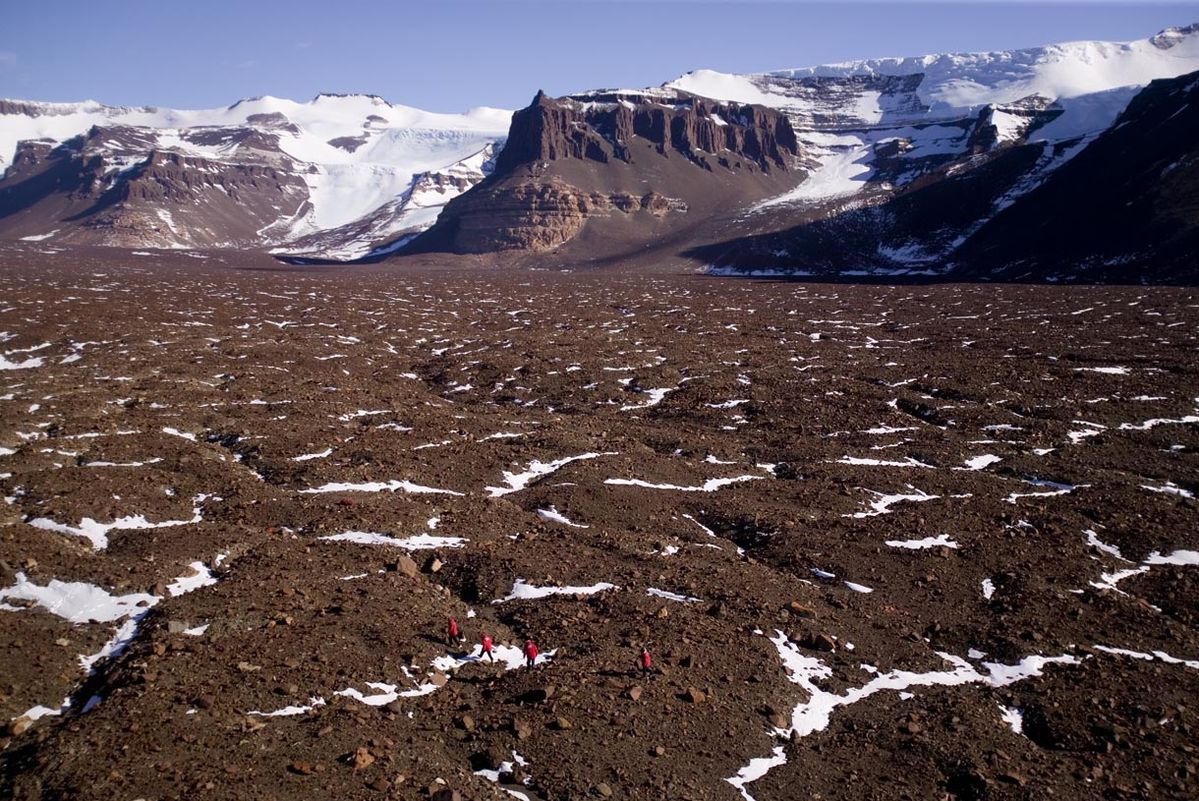
McMurdo Dry Valleys, Antarctica
These valleys in Antarctica are the driest polar desert with no recorded rainfall for nearly 2 million years with Low humidity, freezing winds and lack of ice cover create one of the most Mars like environments on Earth. Scientists study it for clues about life in extreme conditions.
(Photo: Pinterest)
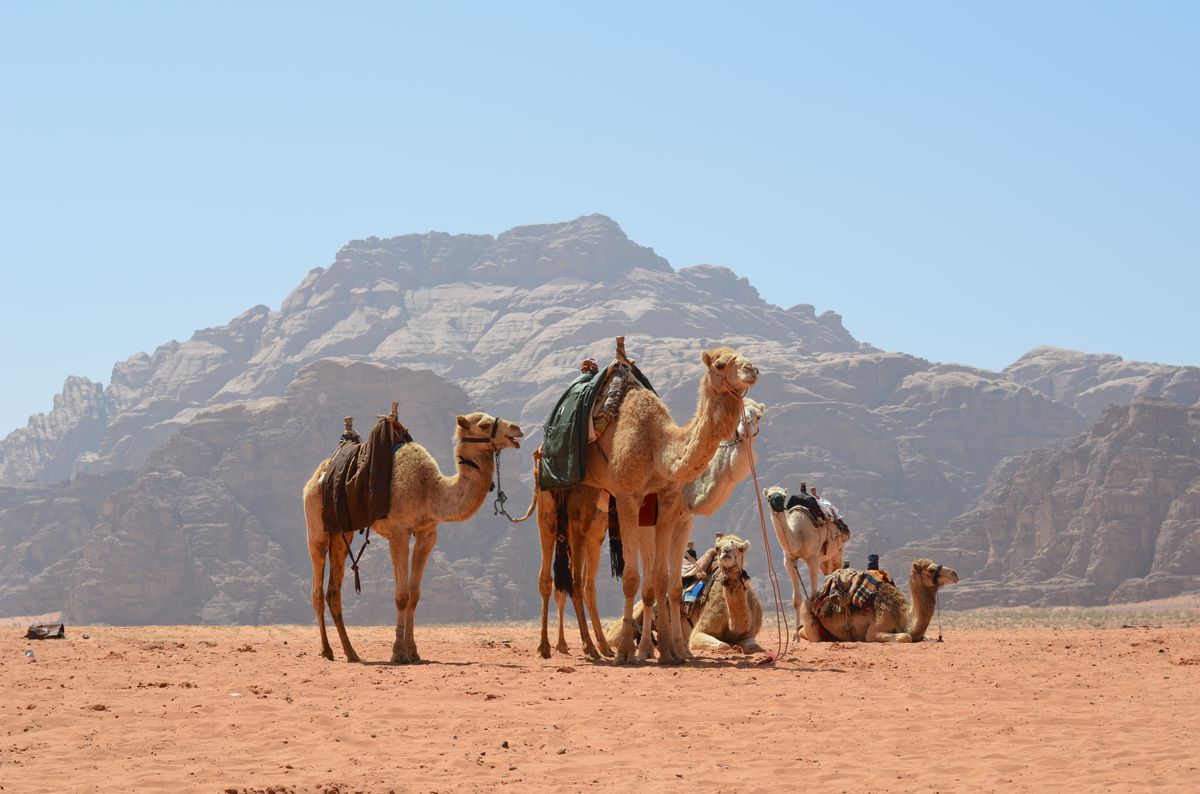
Kalahari Desert, Southern Africa
The Kalahari Desert is not as dry as the Sahara but still experiences long periods of drought. Rainfall is scarce and seasonal, averaging 5–10 inches annually. Despite dryness, it supports grasslands, wildlife and indigenous tribes who have thrived in the semi-arid climate for centuries.
(Photo: Pinterest)
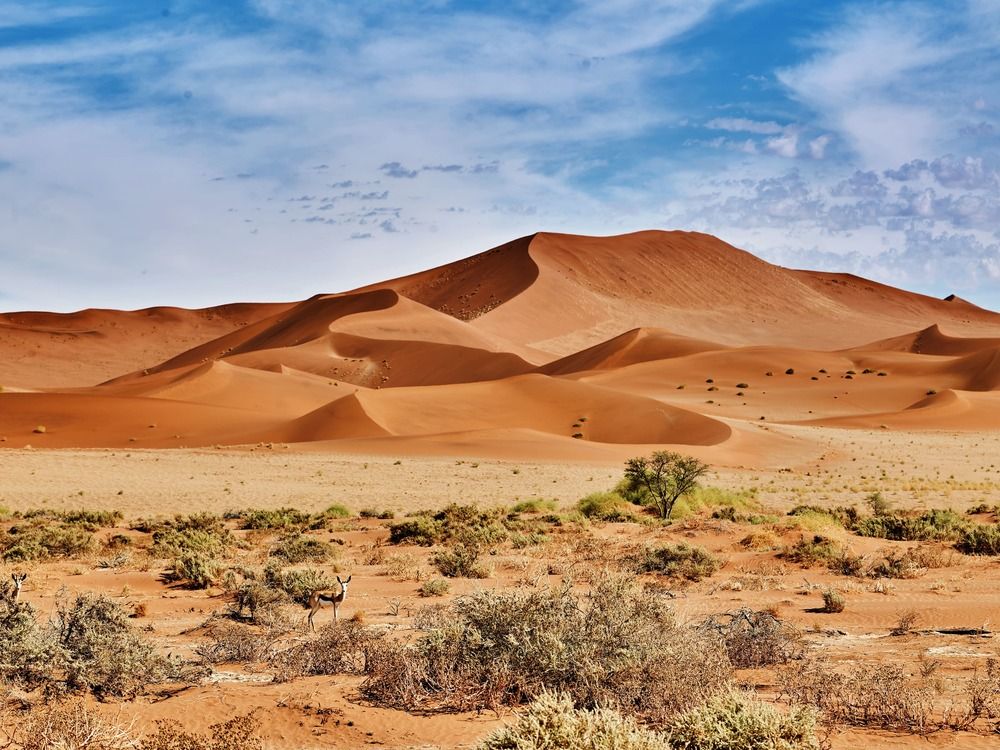
Namib Desert, Namibia
The Namib Desert is one of the world’s oldest deserts, dating back 55 million years with average rainfall under 4 inches annually, its famous red dunes and arid landscapes make it a unique destination for scientists, explorers and travelers alike.
(Photo: Pinterest)