Blood Moon 2025: See How the Last Lunar Eclipse Looked in Stunning Pics
The last total lunar eclipse of 2025, a stunning Blood Moon, will be visible across Asia, Australia, Africa, and Europe on September 7–8. During this 82-minute event, Earth’s shadow will turn the Moon a deep copper-red. Even regions without direct visibility, such as the Americas, can watch via global livestreams, making it a rare astronomical spectacle for skywatchers worldwide.
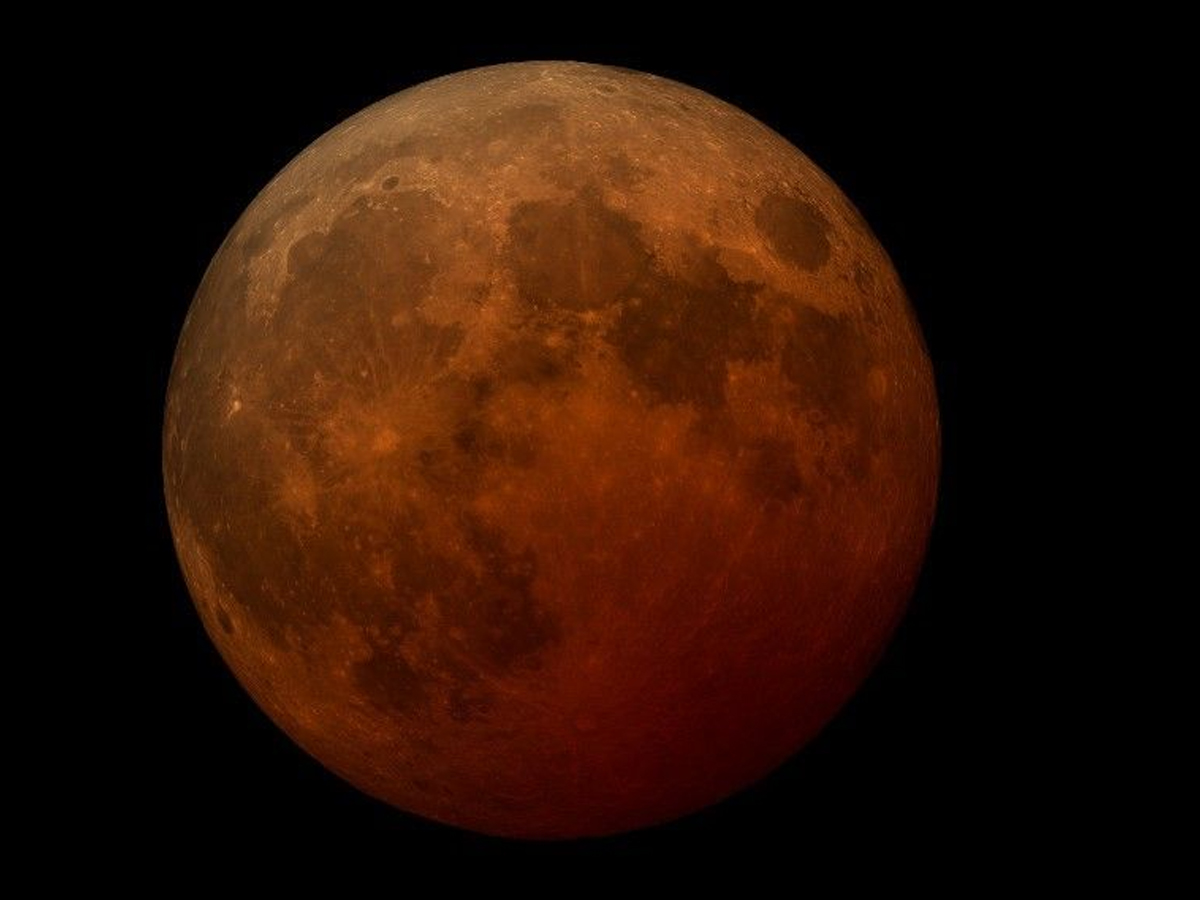
Last Total Lunar Eclipse of 2025
The last total lunar eclipse of 2025 is a highlight for astronomy enthusiasts worldwide. Nearly three-quarters of the globe, including Asia, Australia, Africa, and much of Europe, will witness the full spectacle. The Moon will be completely engulfed in Earth’s shadow, turning into a striking copper-red Blood Moon. (Photo: NASA)
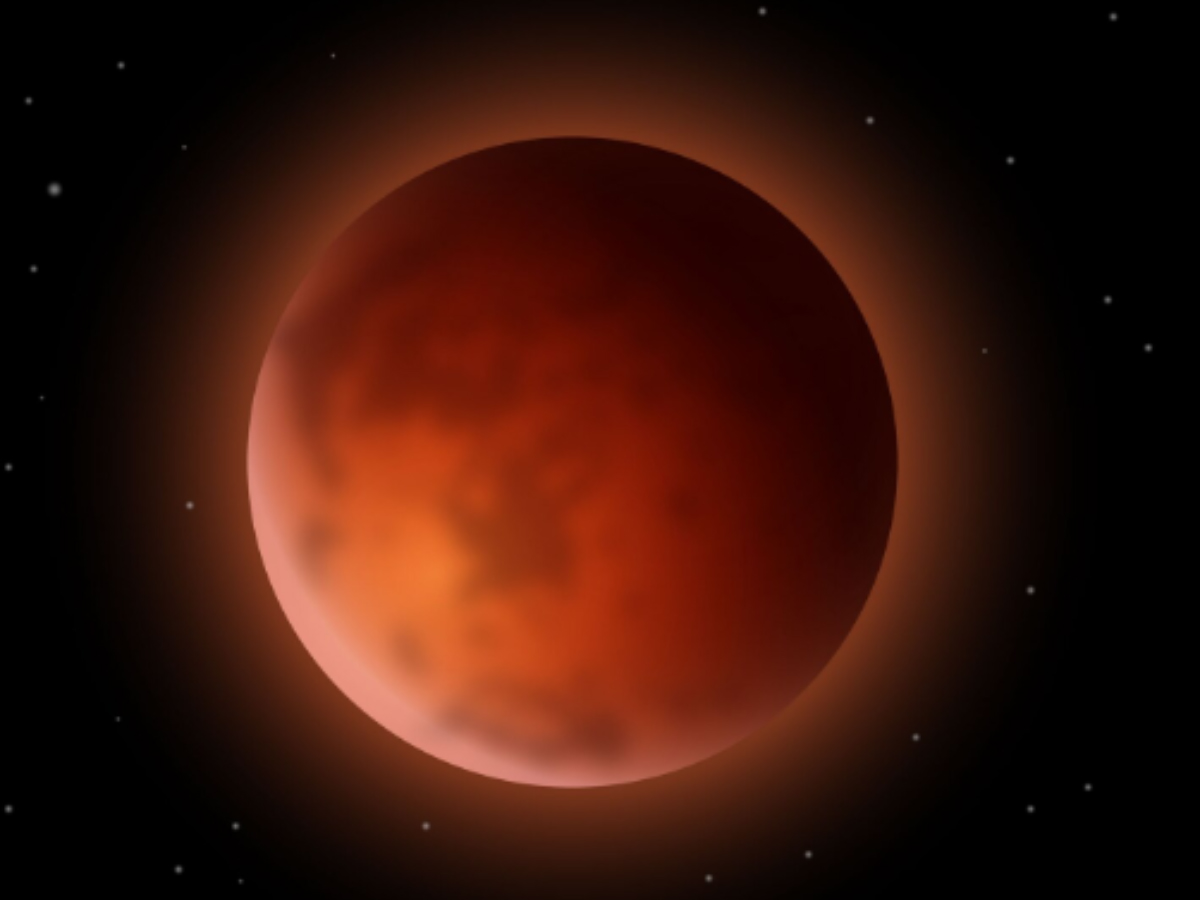
When and Where to Watch
The eclipse peaks on September 7–8, 2025, lasting 82 minutes. Asia and Western Australia will enjoy the clearest views. In the UK, the Moon may appear low on the horizon. Observers are advised to find areas with minimal light pollution to witness the full spectacle. (Photo: Freepik)

Why the Eclipse is Not Visible in North & South America
For U.S. observers, the eclipse begins at 11:28 a.m. EDT after moonset, making direct observation impossible. Despite this, livestreams, including the Virtual Telescope Project in Italy, allow viewers in the Americas to watch the eclipse in real time. (Photo: AFP)
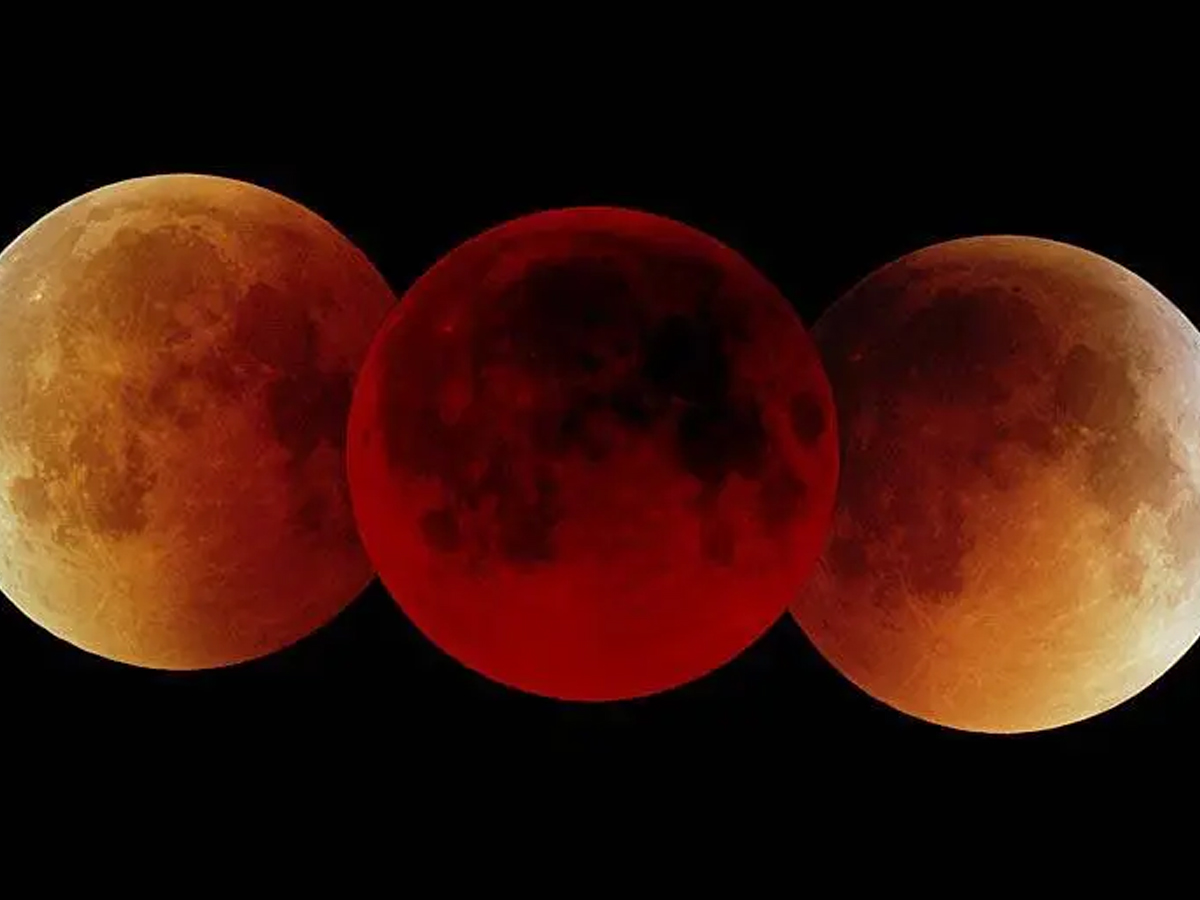
The Science Behind the Blood Moon
The red hue occurs because Earth’s atmosphere bends sunlight around the planet. Shorter blue wavelengths scatter, while longer red wavelengths illuminate the Moon. The exact shade of red depends on atmospheric conditions like dust, clouds, or volcanic ash. (Photo: NASA)

Tools and Tips for Observation
While the total lunar eclipse is visible to the naked eye, binoculars or small telescopes can enhance details. Observers are encouraged to choose dark areas with minimal light pollution for the best experience and photograph opportunities. (Photo: NASA)
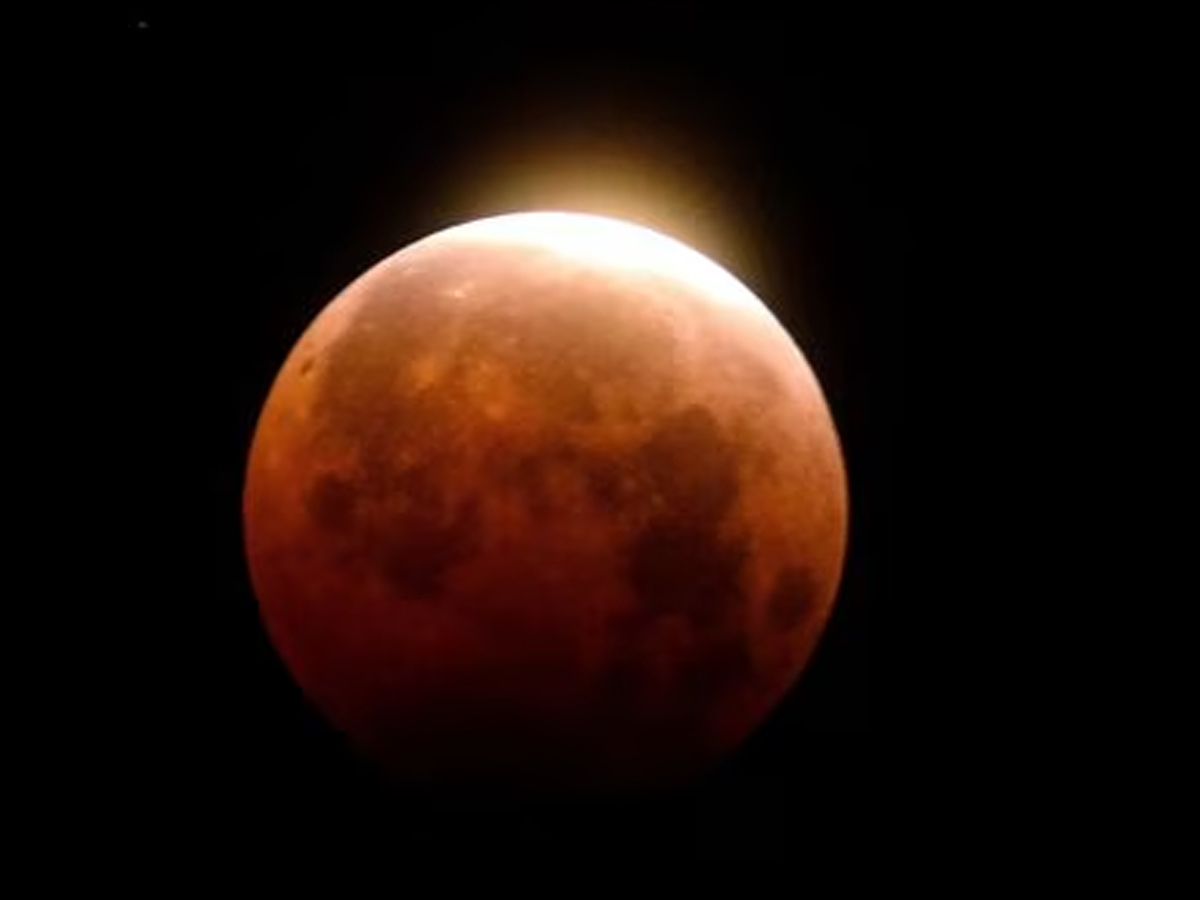
Livestream Options
The Virtual Telescope Project in Italy will host a free livestream starting at 1:45 p.m. EDT, allowing viewers outside the eclipse path to experience the Moon’s transformation in real time. This ensures global accessibility for astronomy enthusiasts. (Photo: AFP)
Cultural and Historical Significance
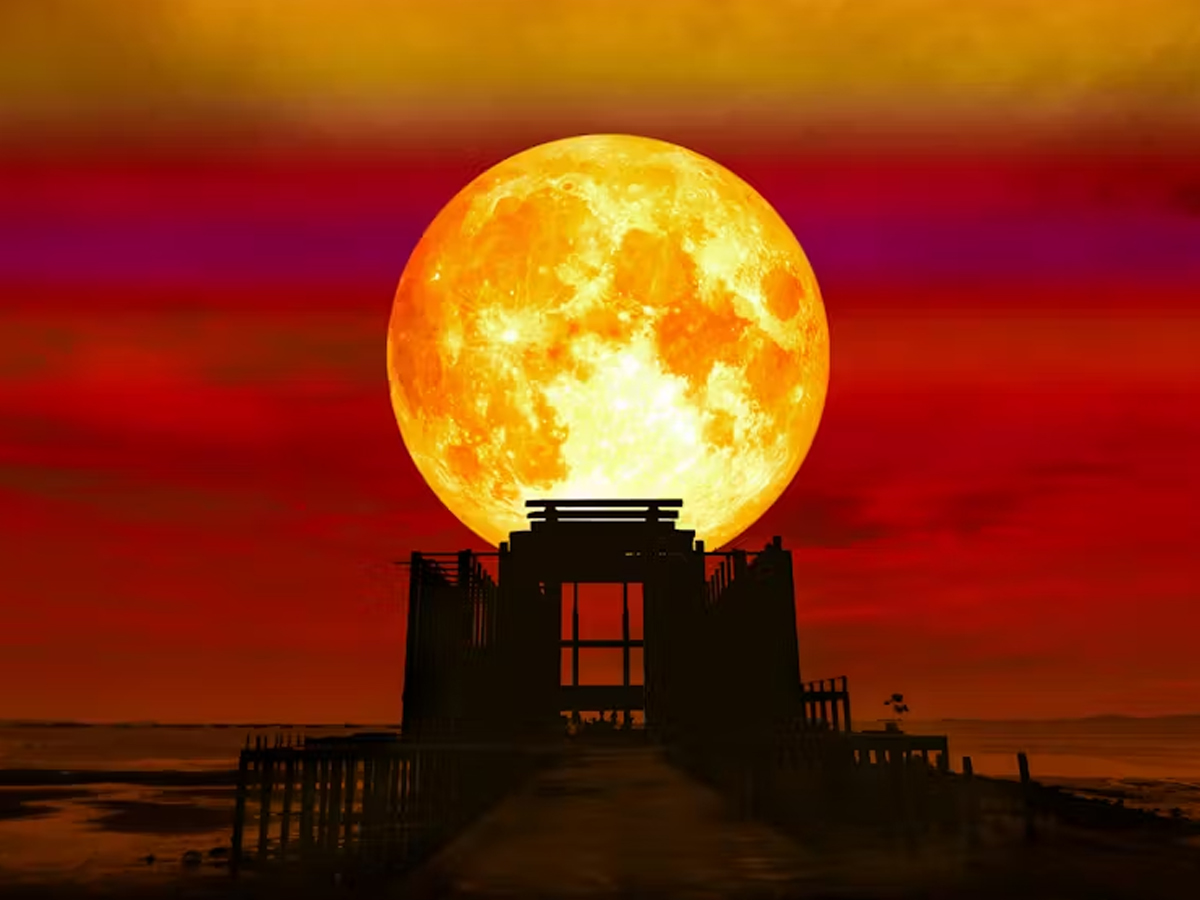
The Blood Moon has fascinated humans for centuries, often associated with myths, omens, and cultural symbolism. Different civilizations interpreted lunar eclipses as signs of change, warning, or celestial wonder, blending astronomy with folklore. (Photo: Shutterstock)
Why This Eclipse is Special
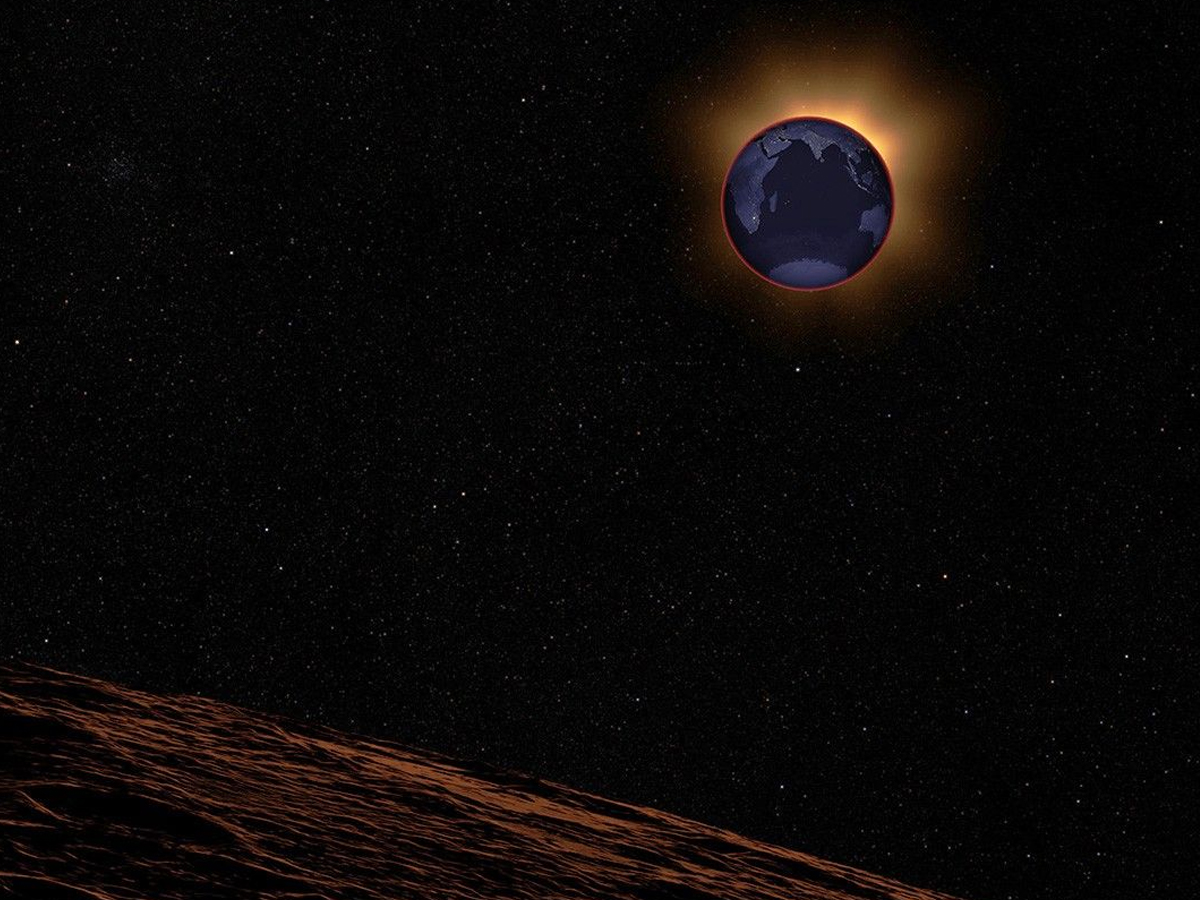
This September lunar eclipse is the second and last Blood Moon of 2025. After this event, the next total or partial lunar eclipse visible will be in August 2026. This rare cosmic phenomenon is a once-in-a-year opportunity for astronomers and skywatchers. (Photo: NASA)