5 Hypersaline Lakes That Are Saltier Than the Ocean
Across the globe, a few extraordinary lakes surpass the ocean’s saltiness. From Ethiopia’s Gaet’ale Pond to Utah’s Great Salt Lake these hypersaline waters reveal unique ecosystems, striking colors and extreme chemistry. They offer scientists insight into survival in harsh conditions and create awe-inspiring natural wonders for travelers and researchers alike.
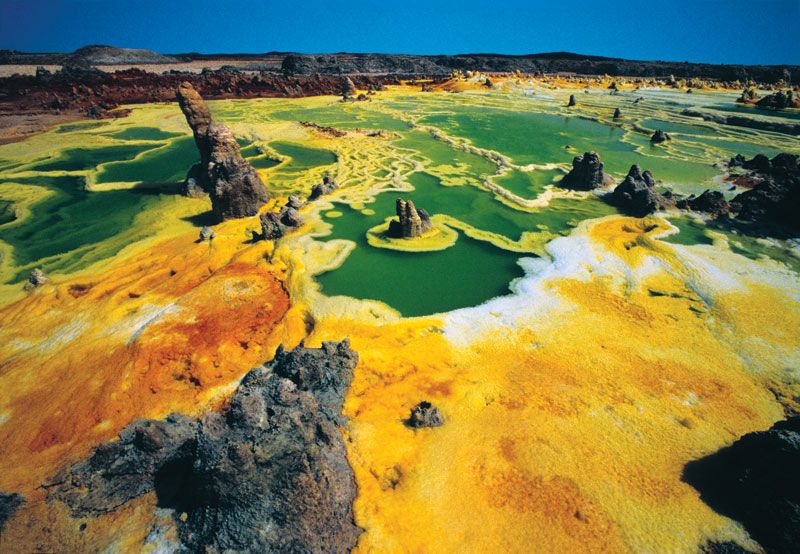
Gaet’ale Pond: Earth’s Saltiest Water
Gaet’ale Pond, in Ethiopia’s Danakil Depression, is considered the saltiest natural body of water, with salinity measured at 43.3%. Heated by geothermal activity, it’s nearly 12 times saltier than average ocean water. Such extreme salinity makes it hostile to most life, creating a stark and alien landscape.
(Photo: Pinterest)
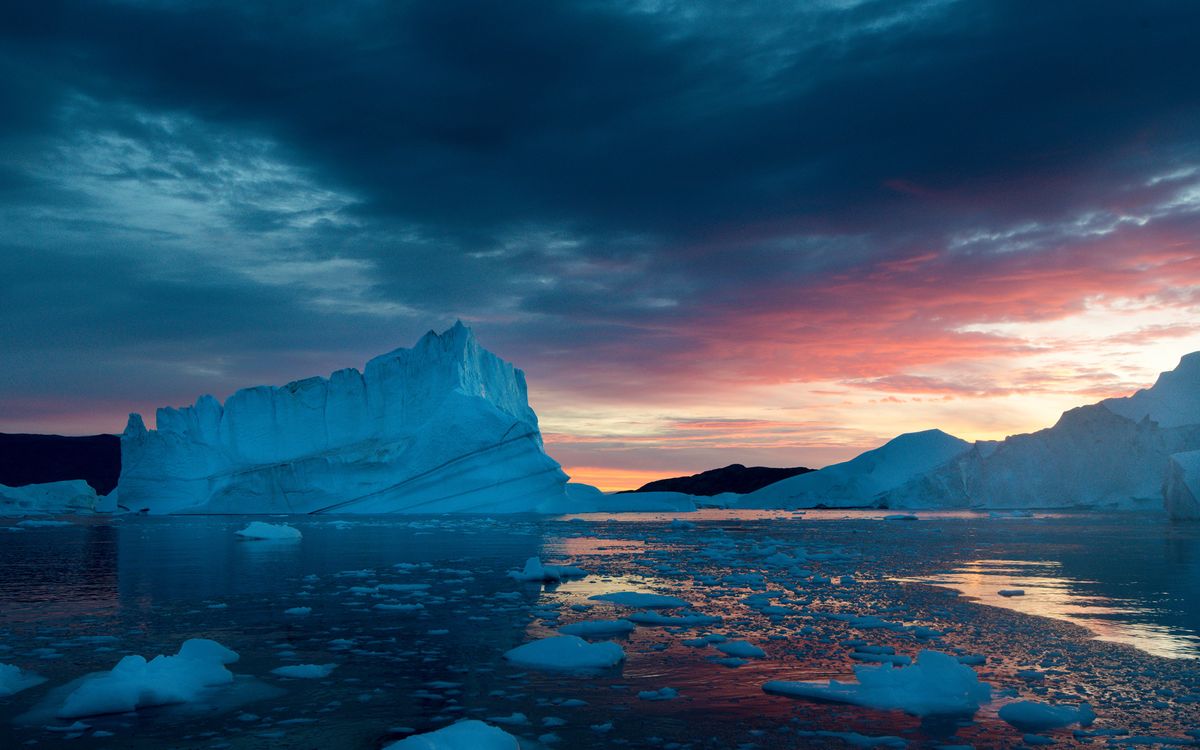
Don Juan Pond: Liquid Brine in Antarctica
Located in the McMurdo Dry Valleys of Antarctica, Don Juan Pond reaches salinity above 40%. Its brine doesn’t freeze even in subzero temperatures, making it a striking example of extreme chemistry. Scientists study it for analogs to Martian brines, hoping to understand how life might persist under harsh conditions.
(Photo: Pinterest)
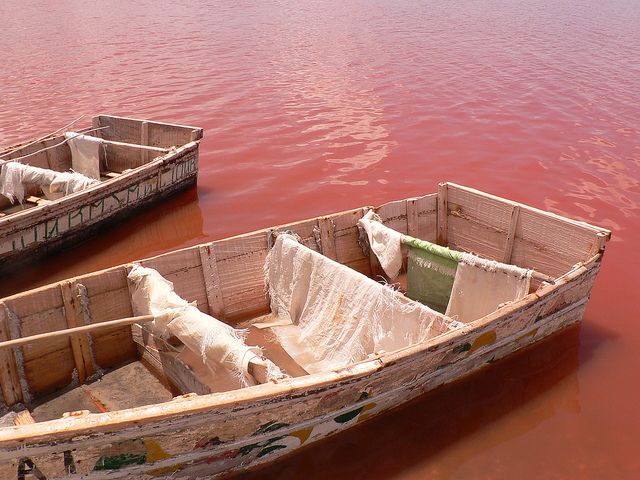
Lake Retba: Senegal’s Pink Saline Jewel
Lake Retba is also known as Lac Rose, is famed for its pink hue caused by Dunaliella salina algae. Its salinity often nears 40%, rivaling the Dead Sea. Locals harvest salt from its beds, using shea butter to protect skin. Its vibrant color and extreme salinity make it a natural wonder worth visiting.
(Photo: Pinterest)
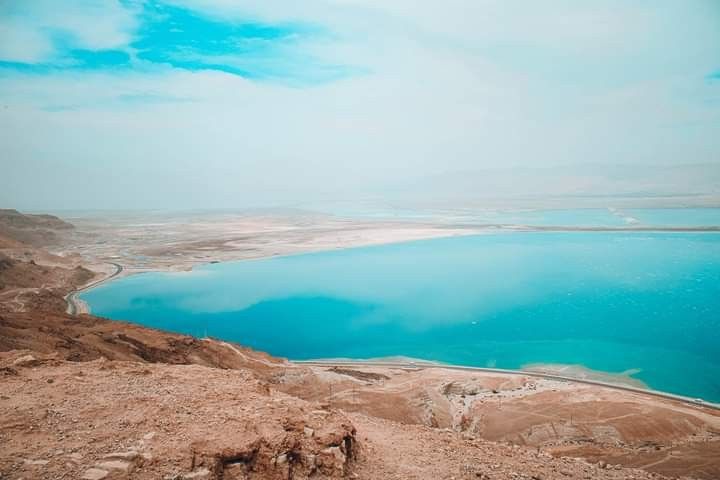
Dead Sea: Ancient Salt Basin Between Israel & Jordan
Straddling Israel and Jordan, the Dead Sea has salinity around 33.7%, making it one of the world’s most famous hypersaline bodies. Its dense water lets swimmers float effortlessly. It is Known for therapeutic mud and historical significance, the Dead Sea has fascinated cultures for millennia and remains a major tourist draw.
(Photo: Pinterest)
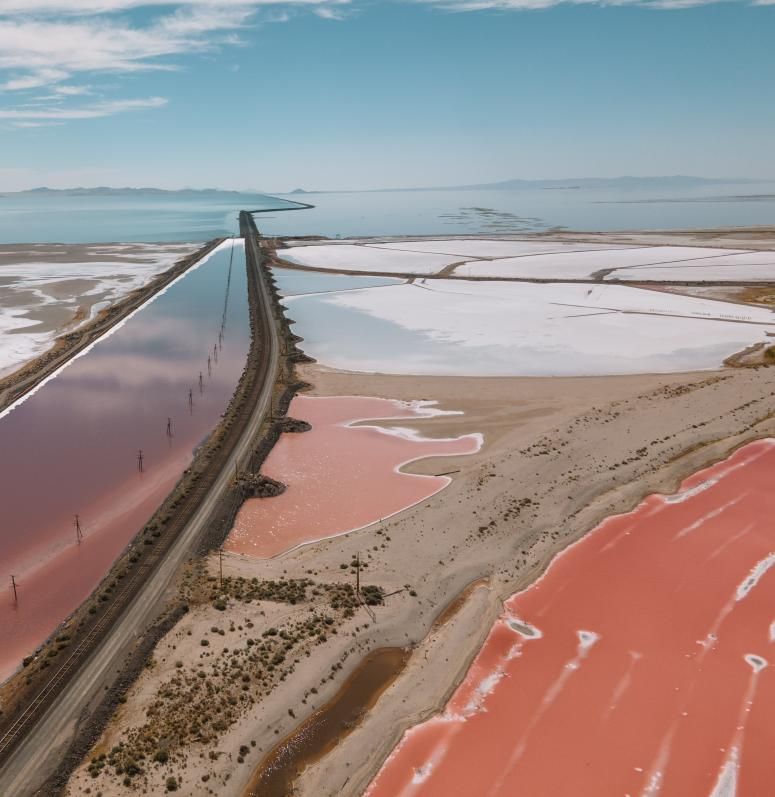
Great Salt Lake: America’s Vast Hypersaline Basin
The Great Salt Lake, Utah’s largest saltwater lake has salinity levels up to 31% in its northern arm. It supports unique ecosystems like brine shrimp and numerous migratory birds because it’s a terminal basin no outlet, minerals concentrate over time. Its dramatic landscapes and wildlife make it a distinctive natural wonder.
(Photo: Pinterest)