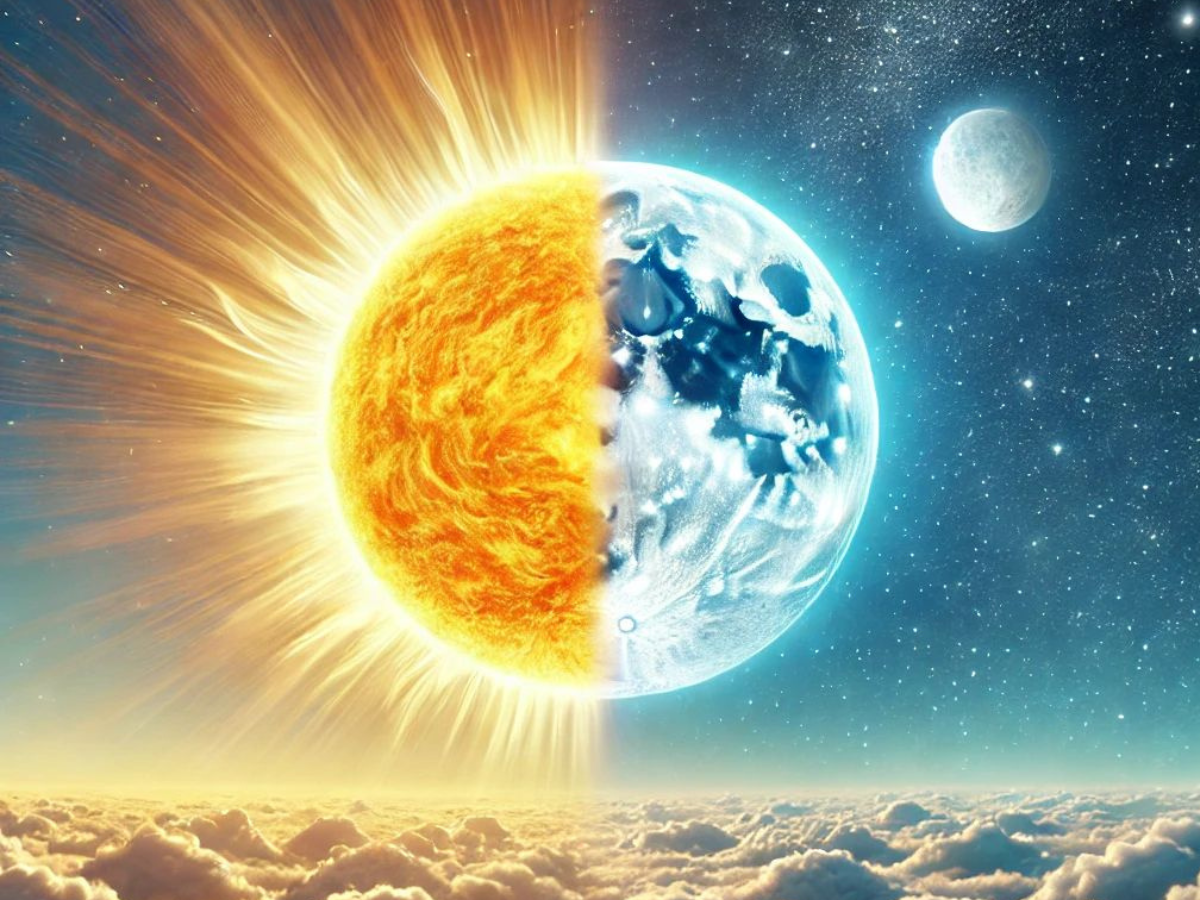
Day and night will share nearly equal hours on Monday, September 22, 2025, as the world experiences the autumnal equinox of the year, the astronomical event that signals the start of fall in the Northern Hemisphere and spring south of the equator.
What is the Autumn Equinox?
An astronomical event that marks the moment when the Sun crosses the celestial equator, moving from the Northern Hemisphere to the Southern Hemisphere. It usually occurs around September 22 or 23 every year. At the equinox, the position of the sun is exactly above the equator at noon, allowing both hemispheres to receive nearly the same amount of sunlight.
Also Read: Meta Ray-Ban Gen 2 Glasses Launched: Price, Features, Display & Availability in India
How Many Times Does the Autumn Equinox Happen in a Year?
This rare phenomenon makes a balance in the environment and occurs only twice a year, which is commonly known as the spring and autumn equinoxes, in which both the North and South Poles are illuminated by the Sun simultaneously. For those in the Northern Hemisphere, sunlight will now gradually diminish on coming days until the winter solstice on December 21, the longest night of every year. Conversely, the Southern Hemisphere will see daylight hours grow as the season progresses toward summer.
What is the meaning of “equinox”?
The word “equinox” comes from the Latin terms for “equal” and “night,” reflecting the near parity of day and night lengths during this event. However, exact equality isn’t precise everywhere; factors such as atmospheric refraction and latitude can give one region slightly more daylight than another.
Cultural Significance Over Equinox
Cultures worldwide have long honored equinoxes with festivals and traditions linked to seasonal changes. In Eastern Europe, Poland and neighboring countries celebrate Dozynki, a harvest festival historically tied to this time of year. Further west, at the Mayan site of Chichen Itza in Mexico, crowds gather to witness the equinox sun casting a serpent-like shadow down the famed El Castillo temple steps.
This year brings an added celestial spectacle: parts of Antarctica, New Zealand, and southern Australia glimpsed a partial lunar eclipse coinciding with the are distinct from solstices, which mark the extremes of Earth’s tilt toward or away from the Sun, which result in the longest and shortest days of the year, while equinoxes occur when Earth’s axis aligns so that sunlight is evenly distributed between hemispheres.
Also Read: Surya Grahan September 2025: Date, Time and How Eclipse Will Influence Life And Destiny