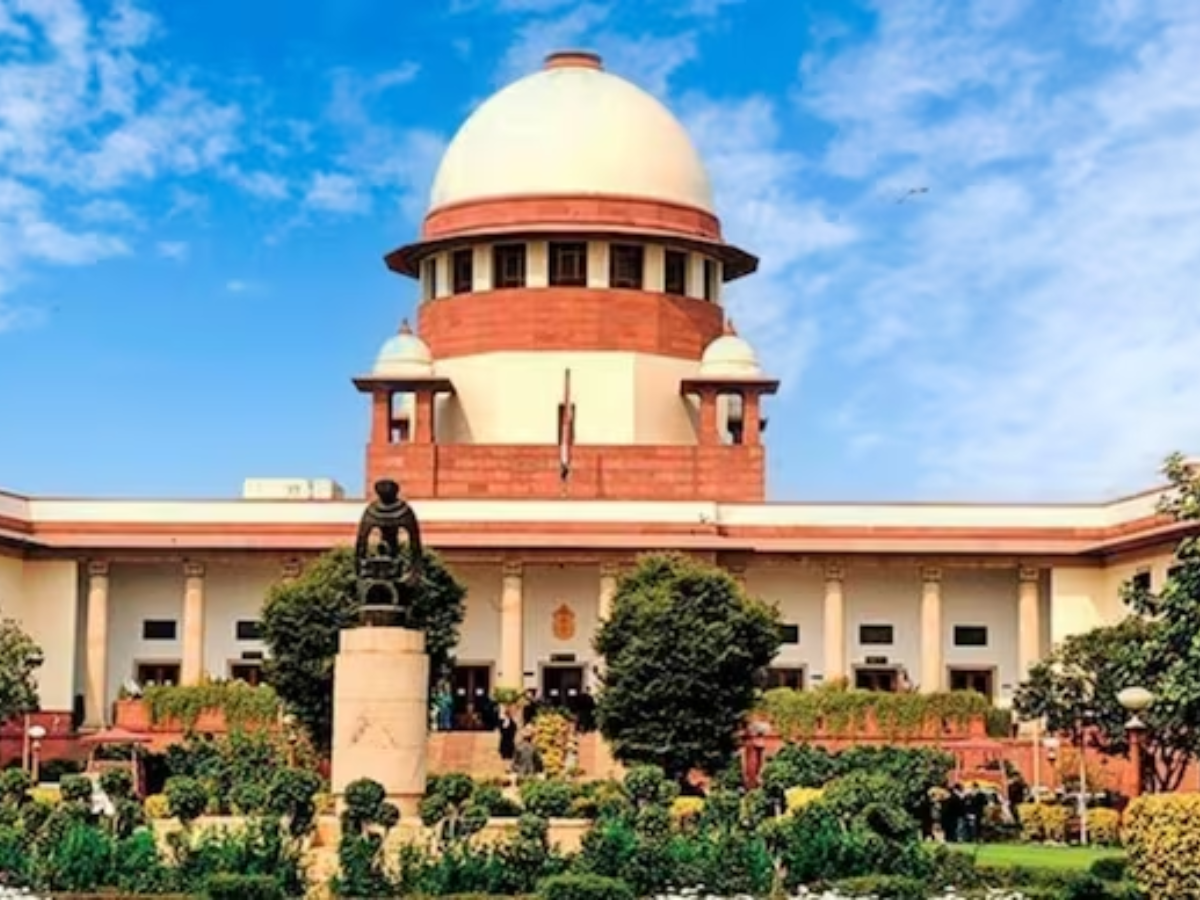
This has given an idea of what the Supreme Court has been saying further about the exceptional ambit within which Article 32 of the Constitution permits reopening of the sentence by the court in cases where capital punishment was awarded owing to procedural safeguards apparently being ignored.
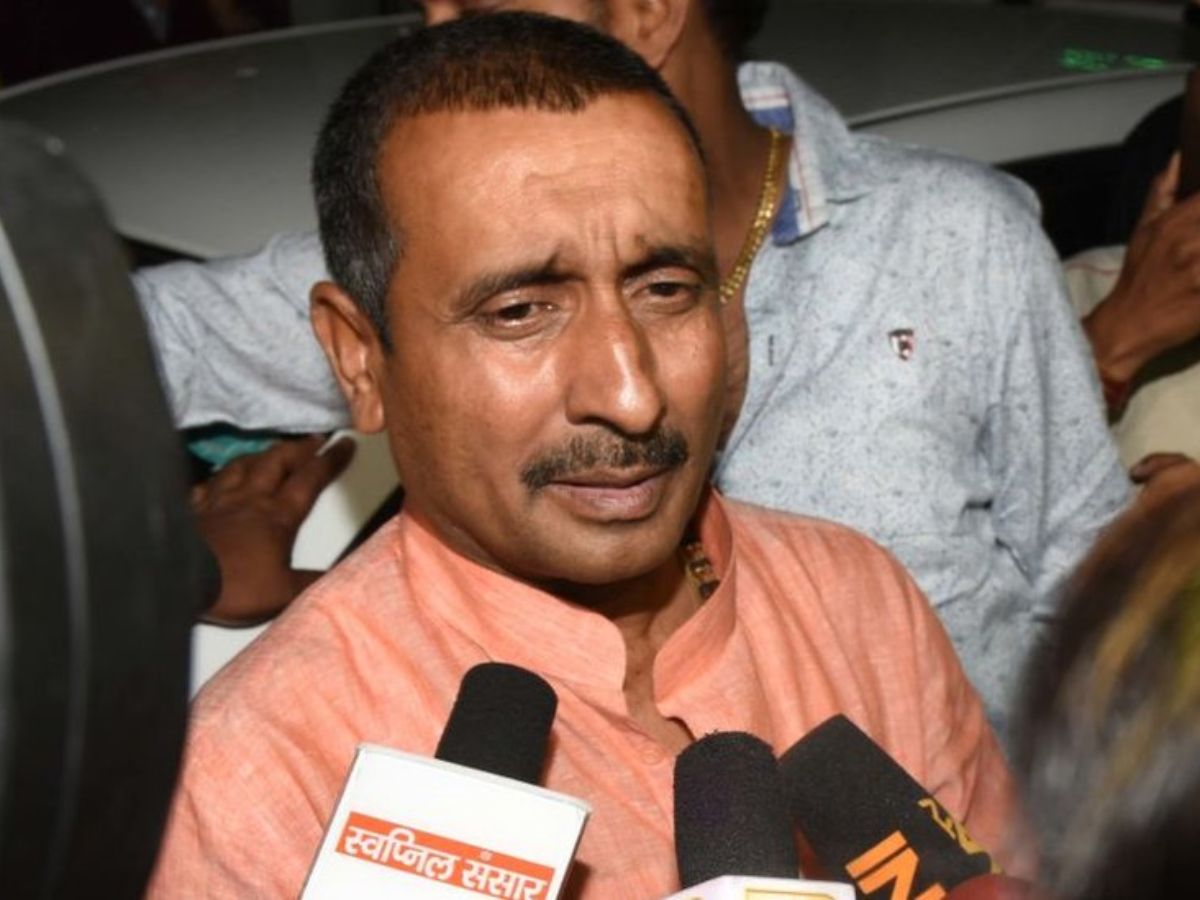
On Monday, a bench constituting justices Vikram Nath, Sanjay Karol and Sandeep Mehta found it convenient to revisit the sentencing for murder convict Vasant Sampat Dupare, resident of Nagpur, who was convicted for the ferocious rape-murder of a four-year-old child in 2008.
Supreme Court has set-aside the death penalty awarded to one Vasanta Sampata Dupare and has allowed his plea filed under Article 32 (Writ Jurisdiction) of the Constitution that challenged the top court’s May 3 decision upholding his death penalty.
A bench of Justices Vikram…
— ANI (@ANI) August 25, 2025
The court noted that though Dupare’s conviction stood firm in the past, there had been a pretty gross lapse in procedural requirements, which can only lead to a reconsideration. This just shows that judiciary recognizes the fact that death penalty is irreversible and must be imposed only after ensuring that every meticulous safeguard has been put into place for protection of fundamental rights.
ALSO READ: SC Directs Samay Raina to Issue Public Apology for Mocking Disabled
Significance of the Manoj Judgment
In the order, the bench referred to the 2022 judgment in Manoj vs Madhya Pradesh, which makes it mandatory for trial courts to devote special attention while punishing an endeavor involving the death penalty. Among the directions issued was the one to trial judges to likewise acquire psychiatric and psychological evaluation reports of convicts before purposefully passing sentences. The end goal is really individualized sentences/court judgments, hence giving the court a larger understanding of the convict’s background as well as that of his psychological state and ability to reform.
By Article 32 thus the Supreme Court reaffirmed that this nullifies the safeguards as the convict’s rights under Articles 14 and 21 ensuring equality, dignity and fair procedure-stand compromised. The court clarified that its corrective jurisdiction was not meant to reopen every concluded case but rather to address very serious violations of due process that could affect the fairness of the sentencing stage.
ALSO READ: Amit Shah Dismisses Rahul Gandhi’s Viral Reels as ‘Illusions’ Amid Congress Digital Rise
Justice Balancing Rights Finality
While its conviction for Dupare was maintained, the apex court set aside the previous confirmation of his death sentence as done in 2017 and referred back for fresh hearing before Chief Justice B. R. Gavai. This follows the exhaustion of Dupare’s legal avenues, including a review petition and mercy pleas to the governor and president.
The decision demonstrates the delicate balance the judiciary has to observe between justice for victims and the fact even those convicted of the most heinous of crimes should not be deprived of their constitutional rights. By reinforcing strict adherence to procedural safeguards, the Supreme Court sends out clear messages in that life and death fairness cannot be compromised; due process must prevail.
ALSO READ: Fadnavis Courts Thackeray, Pawar as VP Election Battle Heats Up