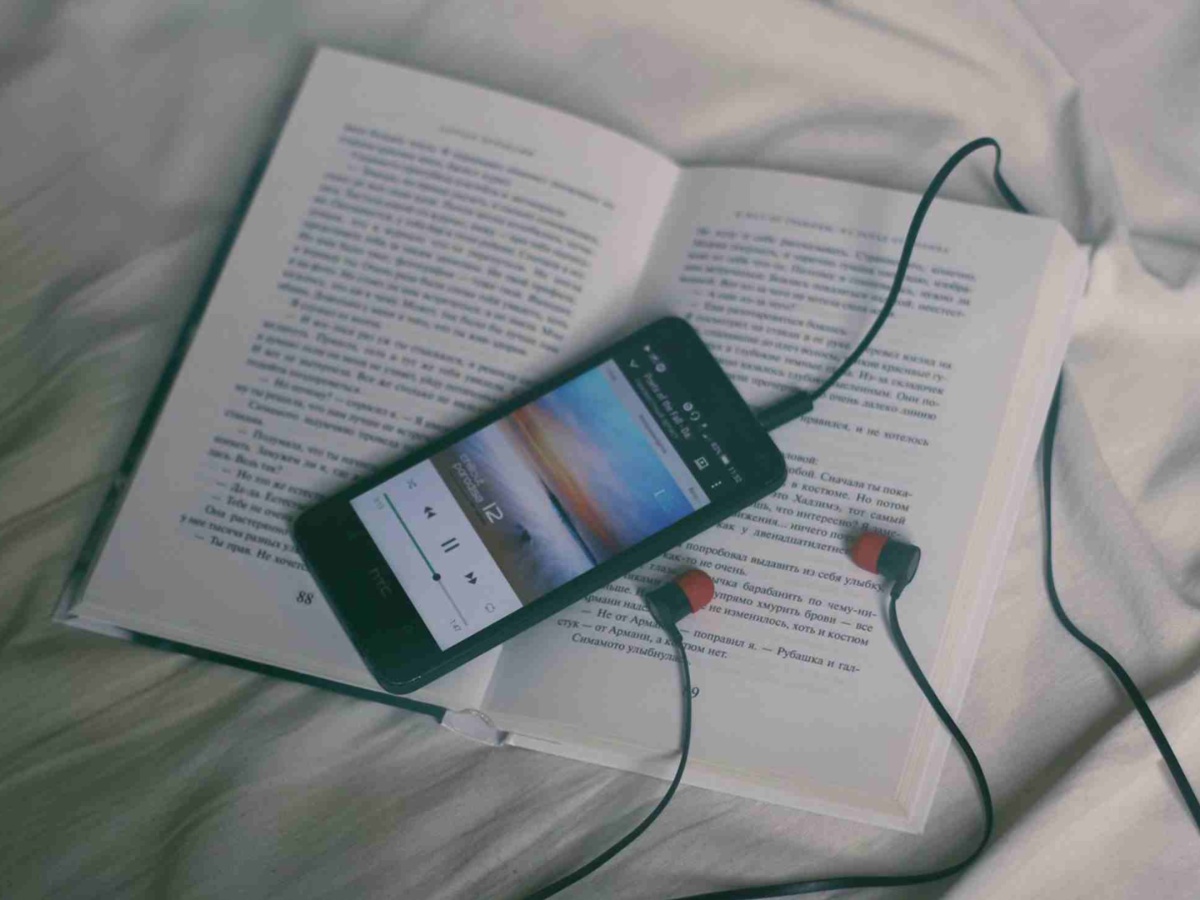
Who says this generation does not read anymore? Gen Z in India is proving the critics wrong. They are not just reading about romance; they are matching for it. Tinder’s latest data shows that young daters in India are embracing the concept of the “Book Boyfriend.” Inspired by emotionally intelligent fictional heroes, they are weaving literary love into their dating bios and even carrying main-character energy to their real-life dates and the trend is not just a passing phase while it is shaping modern dating culture and setting new standards of romance rooted in presence and emotional fluency.
What the Data Shows
Tinder has revealed some surprising numbers. Mentions of “bookstore” in Indian Tinder bios have doubled from 2024 to 2025. Globally, mentions of “Book Boyfriend” jumped 58 percent in 2024 and in January 2025 alone, there was a surge of 77 percent. The bios themselves read like love notes. Some examples include: “Books > Boys (but I’m willing to negotiate),” “The best way to my heart is a date at the bookstore,” and “Love the scent of old books and rain.” Clearly, books have become a love language in themselves.
Read More: Do You Feel Like an Outsider, Even With Friends? You Might Be an ‘Otrovert’
Why Gen Z Is Crushing on Fictional Characters
According to Dr. Chandni Tugnait, Relationship Expert at Tinder India, Gen Z is drawn to “Book Boyfriends” because these characters offer a safe emotional space while fictional heroes embody qualities this generation craves—emotional intelligence, vulnerability, devotion, and depth. These green-flag qualities are shifting expectations in dating. Young people are no longer chasing perfection and they are craving presence, understanding, and care.
Book References as Love Codes
For Gen Z, literary references act like emotional codes. Lines such as “I need someone who can go with me to the mountain, mandir, and bookstore” or “Books and music—hit me up if you’re into reading and brainstorming” signal depth and main-character energy. Dr. Tugnait explains that this is a form of identity curation. It says: “I speak romance in fiction and in life. Do you?” These references also work as shortcuts past small talk, much like playlists or meme codes. They create instant bonds rooted in shared emotional worlds.
Read More: Why Chewing Gum is Banned in Singapore: Strange Law Explained
What Gen Z Learns from Fictional Heroes
Dr. Tugnait points out that Gen Z values the rituals of love. They want safe, consistent, and thoughtful gestures and fictional boyfriends often embody love languages such as quality time, acts of service, and words of affirmation. The perfect “Book Boyfriend” is present in hard moments, soft yet strong, and devoted to actions as much as words while these characters teach Gen Z that romance is about presence, not perfection. And now, they are demanding the same from real partners.