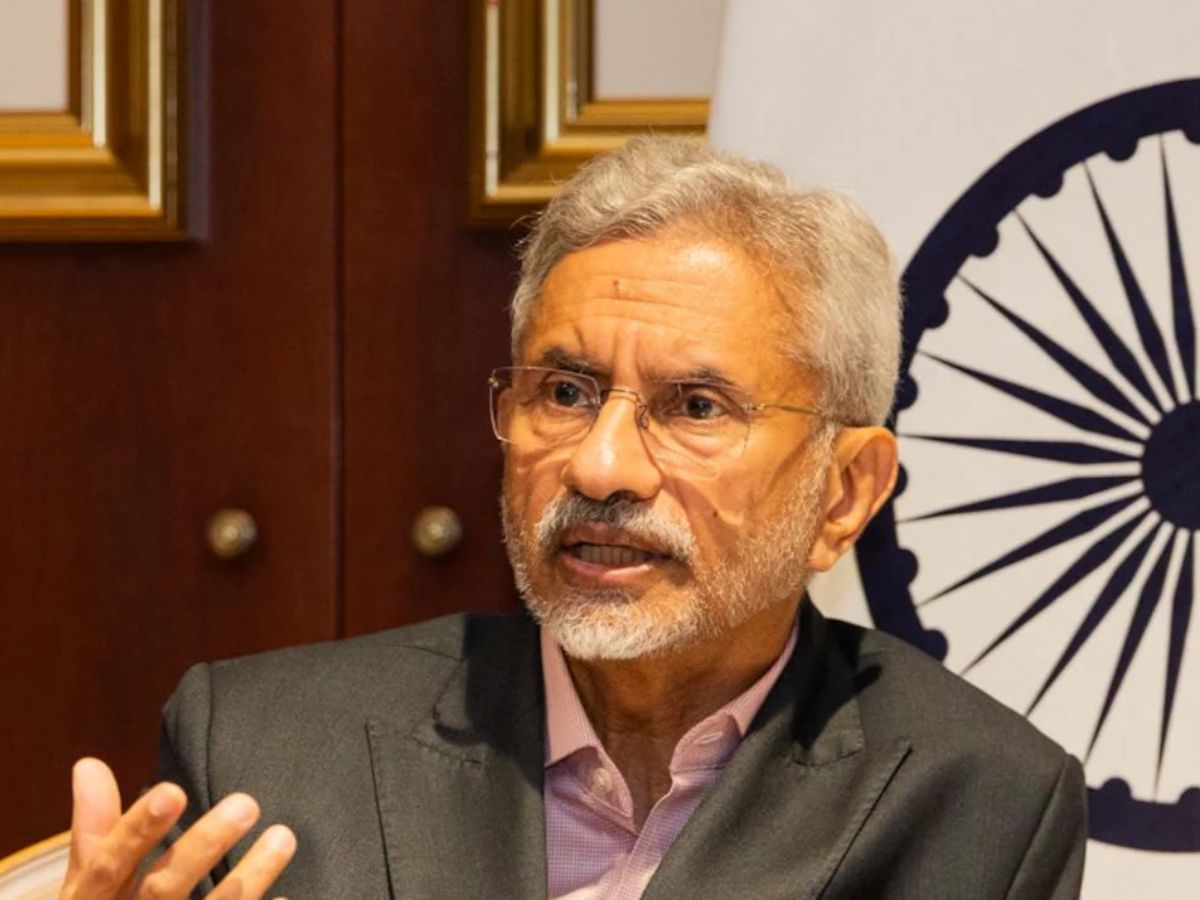
The Bill, introduced by MP Supriya Sule, aims to officially acknowledge an employee’s right to switch off from work-related communication once their duty hours are over. It is designed to bring back work–life balance in today’s digital and “always-on” culture shaped by remote and hybrid work models. The proposed law reflects a rising global worry employees are increasingly expected to reply immediately, even during personal time, weekends, or holidays.
What is the Right to Disconnect?
Right to Disconnect is one of the latest workplace protections entitling employees to switch off from work-related calls, emails, and messages once their official working hours are over. The idea is to ensure that no worker is expected to be available 24/7 in today’s era of smartphones and several digital tools keeping one connected.
It basically targets shielding employees against overwork, decreasing the stress that is engendered by communication that may be on a 24/7 basis, and making life much healthier outside the working environment. According to this concept, workers are allowed to simply decline responding to off-hour communications; neither can they be threatened with punishment or penalization.
Which countries have adopted the right to disconnect?
Many countries have realized that an always-on digital culture is harmful to mental health, family life, and productivity. Consequently, several nations have enacted laws or implemented policies that confer upon employees the right to disconnect once the workday is completed. A growing number of countries throughout Europe, Asia, and Oceania have implemented supportive legislation or guidelines for this right. Major ones include the following:
France — First Out of the Gate 2017
France was the first to codify this as the Right to Disconnect. Firms must establish explicit rules regarding after-hours communications and respect employees’ private time.
Portugal
One of the most stringent versions of this was introduced by Portugal: by law, it is forbidden for employers to contact employees outside of work hours, except in cases of emergency. It be it emails, calls, or messages.
Australia 2024
In 2024, Australia passed new legislation that allowed employees to ignore unreasonable after-hours contact in light of a bid to reduce employee burnout and improve mental well-being.
Spain, Italy, Slovakia, Slovenia
These European countries have enacted legislation that requires companies to establish limits on the expectation of after-hours availability. They entail that employers can’t make workers stay connected beyond their contracted schedule.
Belgium, Philippines, Argentina
Such policies have also been implemented in these countries to emphasize the importance of safeguarding workers from digital fatigue.
Mexico
For remote workers, NOM 037-STPS 2023 sets some specific rules in Mexico concerning clear limitations with regard to employer communication outside working hours.
India Growing Focus on the Right to Disconnect
With the introduction of the Right to Disconnect Bill, 2025, India has now joined the global conversation.
The Bill would give rights to employees like ignore work communications after working hours and to avoid punishment for failing to respond, and receive overtime pay if they choose to reply beyond work hours. This forms the basis of an important step toward setting healthy boundaries in a highly connected digital workplace.
Why the Right to Disconnect Matters
More than a labour reform, the Right to Disconnect is about recognising human well-being in the digital age. The more technologically driven work becomes, the more setting limits will help employees maintain balance, reduce their stress levels, and preserve productivity without sacrificing personal life.
Also Read: Election Commission Announces SIR Deadline Extension in Six States, Bengal Retains Original Timeline