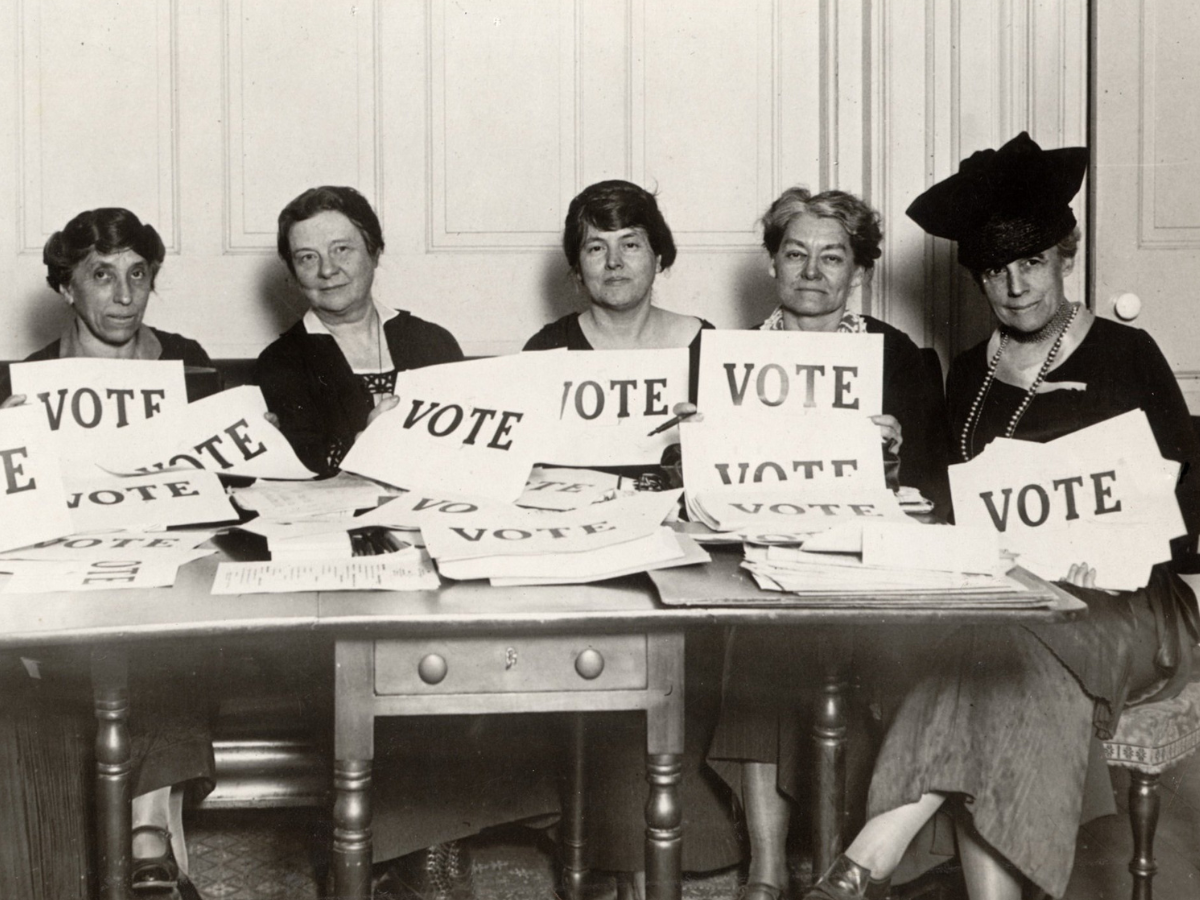
New Zealand made history as the first country in the world to grant women the right to vote in 1983. This bold step became the foundation of global women’s suffrage movements and inspired many nations to follow. The intresting fact is that women were not yet allowed to stand for Parliament that’s why winning the right to vote marked a powerful move toward gender equality.
Why New Zealand Took the Lead
New Zealand’s progressive stance was a consequence of decades of activism on the part of social reformers and women’s organizations. Activists such as Kate Sheppard, arguably the most famous individual in New Zealand history, organized petitions and convinced legislators that women should have a voice in politicss also their success was rewarded in 1893 when the Electoral Act passed, enfranchising women for federal elections.
The Role of Kate Sheppard
Kate Sheppard’s leadership played a important role in the success of the suffrage movement. She advocated for women’s education, better working conditions and for their equal rights while her determination mobilized the largest petition ever presented to the New Zealand Parliament at the time, signed by nearly 32,000 people. Her portrait appears on the New Zealand $10 note today as a remembrance of her efforts.
The First Election With Women Voters
Women first voted in a general election in November 1893. Nearly 65% of the eligible women voters exercised their franchise, a clear indication of their eagerness to vote and use their new franchise. This huge turnout also proved that women were not just capable but immensely interested in shaping the future of their nation.
- Impact of New Zealand’s Choice at the International Level
- New Zealand’s move created a strong message worldwide. Other countries watched with interest, and later, some followed suit.
- Australia enfranchised women in 1902.
- United States passed the 19th Amendment in 1920.
- United Kingdom extended full voting rights to women in 1928.
- New Zealand showed that democracy could be stronger and fairer with women included.
When Could Women Run for Office
Although women could vote in New Zealand as early as 1893, they were not permitted to stand for election to Parliament until 1919. The first woman to be elected was Elizabeth McCombs, who broke another record in 1933. There have been many women leaders since then, with the election of Jacinda Ardern to Prime Minister in 2017.
Why This Milestone Still Matters
The history of New Zealand women’s suffrage is not an history anymore, it’s a reminder of the ongoing struggle for equality. Today, discussion about women’s rights, representation, and pay equality is still an issue worldwide. New Zealand’s success in 1893 is proof that change is possible if people work towards justice.
ALSO READ: Why Chewing Gum is Banned in Singapore: Strange Law Explained