LIVE Updates | ‘India Is Ready for It’: PM Modi Hits Back at Trump’s Tariff Move
✍️ Written by: Sumit Kumar
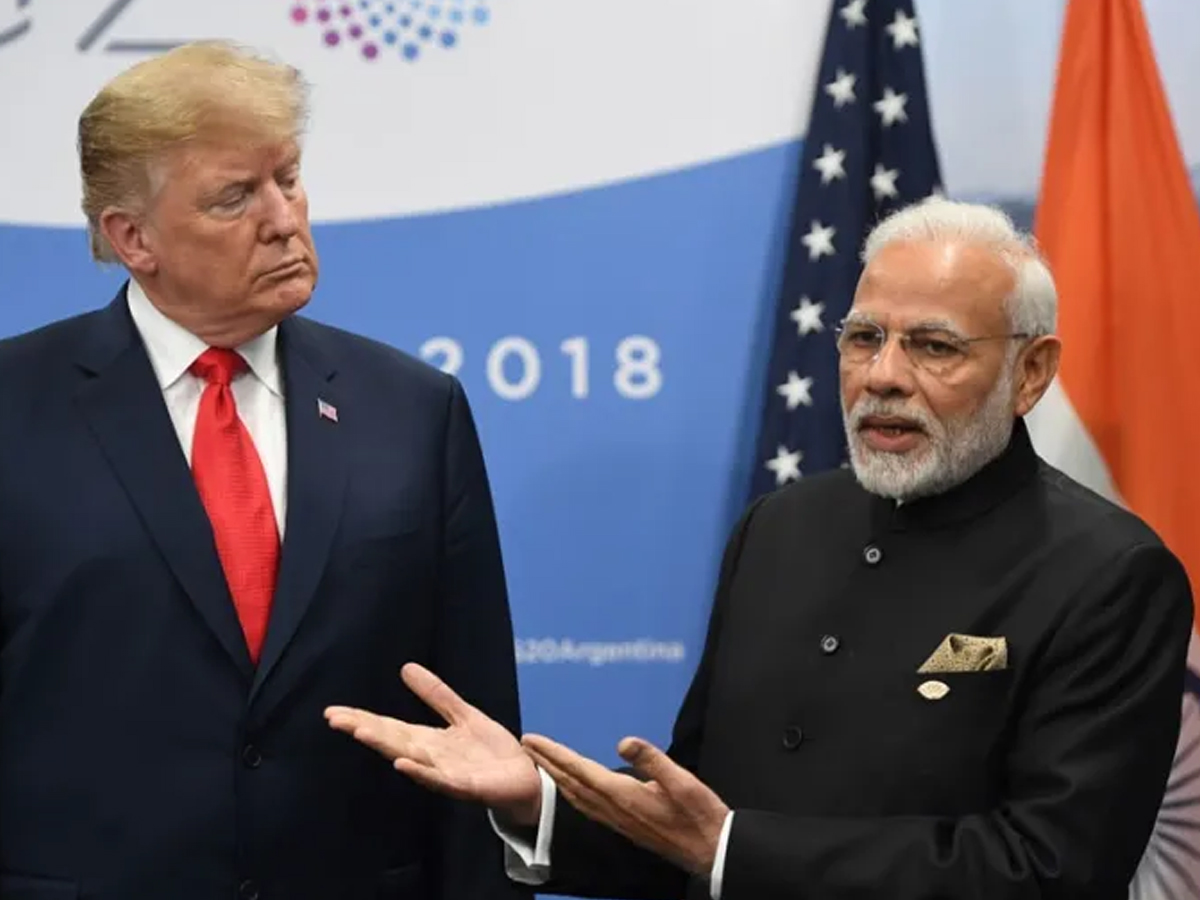
Citing New Delhi’s ongoing imports of Russian energy, US President Donald Trump declared a significant escalation by imposing an additional 25% duty on Indian goods. On several Indian products, the increased taxes will quadruple the overall tariff rate to 50% when they go into effect in three weeks.
Certain industries, such as semiconductors, steel, aluminum, and pharmaceuticals, are currently excluded but may be in the future.
Retaliating harshly, India referred to the action as “unfair, unjustified, and unreasonable.” The External Affairs Ministry defended its imports of Russian oil, claiming that the US had previously “actively encouraged” them in order to preserve global energy stability and that they were accepted when conventional suppliers turned their attention to Europe.
Live Updates
-
13:03 (IST) 07 Aug 2025
Shipping Giant Maersk Raises Outlook Amid Strong Demand Outside US
Despite a 26.5% drop in Q2 net profit, Danish shipping major Maersk raised its annual forecast on Thursday, citing robust demand outside the United States as global trade adapts to President Donald Trump’s escalating tariffs.
In a statement, Maersk CEO Vincent Clerc said, “Even with market volatility and historical uncertainty in global trade, demand remained resilient, and we’ve continued to respond with speed and flexibility.”
The company’s improved outlook reflects a shifting trade landscape, with businesses adjusting supply chains to avoid tariff-heavy routes.
-
11:50 (IST) 07 Aug 2025
Trump Raises Tariffs To 50%: What It Means For India
In a sharp escalation of trade tensions, US President Donald Trump on Thursday announced an additional 25% tariff on goods imported from India, citing New Delhi’s continued buying of Russian oil.
The move raises total tariffs to 50% on many Indian products and could have significant implications for exporters, bilateral trade relations, and ongoing diplomatic dialogue.
Trump said the action was a penalty for what he called New Delhi’s continued buying of Russian oil.
-
11:49 (IST) 07 Aug 2025
Sensex, Nifty Decline In Early Trade As US Tariffs On Indian Goods Doubled
Indian stock markets opened in the red on Thursday, reacting to rising global trade tensions. Both the Sensex and Nifty slipped in early trade after US President Donald Trump announced an additional 25% duty on Indian goods — effectively doubling tariffs to 50% — due to India’s ongoing oil imports from Russia.
Investors remain cautious amid fears of a broader economic fallout and reduced export competitiveness for Indian firms.
-
11:49 (IST) 07 Aug 2025
Trump Says "Billions Of Dollars" Now Flowing Into US After Tariff Deadline
Just past midnight on August 8, US President Donald Trump declared that the newly imposed tariffs had officially taken effect, claiming a major financial windfall for the country.
Posting on Truth Social, Trump wrote, “IT’S MIDNIGHT!!! BILLIONS OF DOLLARS IN TARIFFS ARE NOW FLOWING INTO THE UNITED STATES OF AMERICA!”
The announcement comes hours after his latest round of tariffs — including a 25% hike on Indian goods — kicked in.
-
11:44 (IST) 07 Aug 2025
Switzerland Calls "Extraordinary Meeting" On Thursday After Tariff Talks With Trump
Switzerland’s federal government has announced that it will hold an “extraordinary meeting” on Thursday, following the return of its delegation from Washington. The officials had been in the US to persuade President Donald Trump against imposing punitive tariffs on Swiss exports.
In a post on X, the government stated, “Tariffs: After its delegation returns from the USA, the Federal Council will hold an extraordinary meeting in the early afternoon. A statement will follow after the meeting.”
The development signals growing concern in Europe over Washington’s escalating tariff measures.