In a recent interview, Najam Sethi, a close aide to Pakistan PM Shehbaz Sharif and former PCB chairperson, made statements that raised tensions. When asked about a possible conflict with India, he spoke firmly. Sethi said Pakistan would use tactical nuclear weapons on Indian forces if they entered Pakistani land with plans to divide the country, focusing on cities like Karachi and Lahore. He also stressed that Pakistan has enough missiles to carry out such actions.
Najam Sethi threatens nukes saying Pakistan’s nuclear weapons are not made for Diwali celebration and won’t hesitate to use them if
1. Indian Navy blocks the Pakistan naval movement and Karachi port
2. Indian Army enters karachi & Lahore and breaks the north and southern part… pic.twitter.com/2NIyINxEUq
— OsintTV 📺 (@OsintTV) August 16, 2025
Although Sethi described these as hypothetical situations, they reveal a serious undercurrent of nuclear threats in the region. He spoke confidently, saying Pakistan would not hesitate to use nuclear weapons to defend itself.
Escalation Over Water Disputes
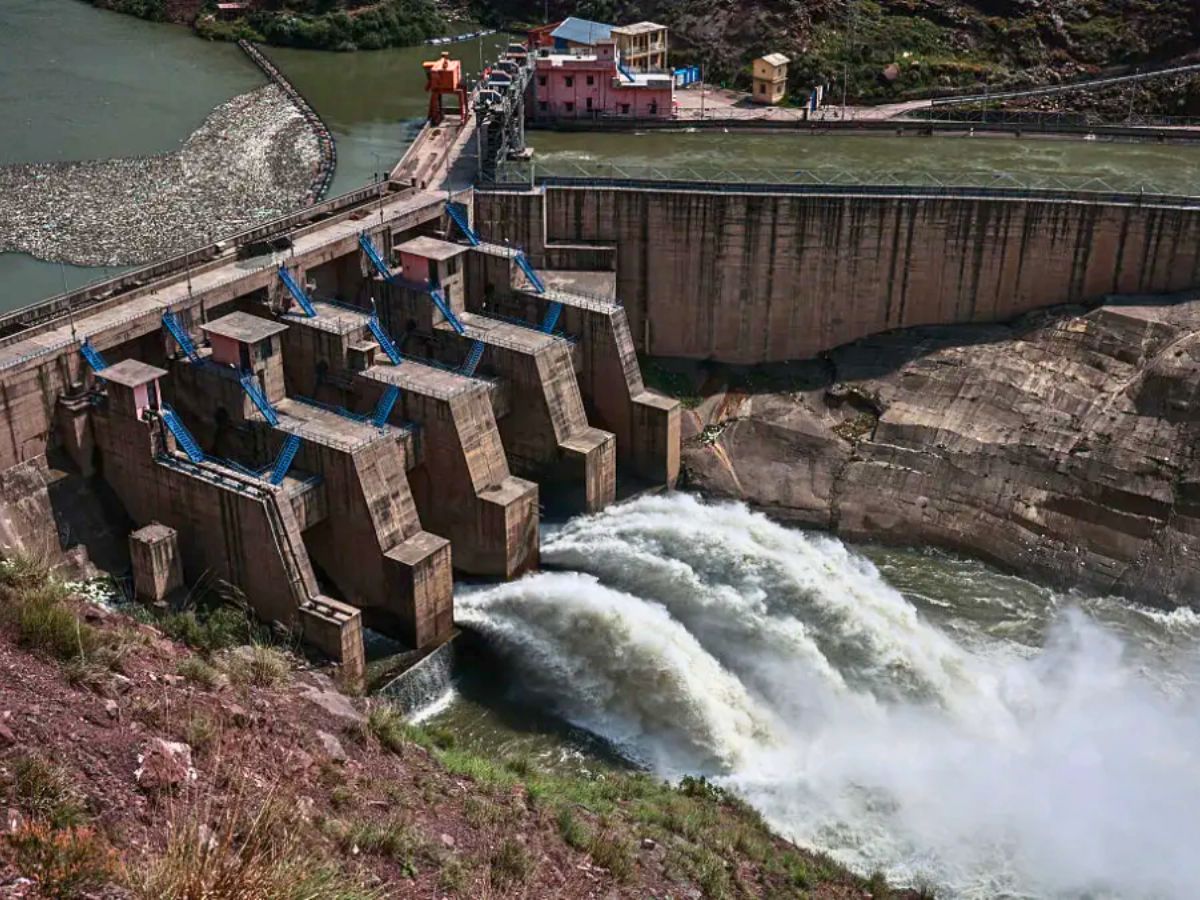
Sethi also spoke about another hypothetical scenario related to water. He warned that if India built a dam that reduced Pakistan’s water supply, Pakistan would strike back with not just one but ten missiles to destroy the dams.
ALSO READ: Pakistan Extends Airspace Ban on Indian Flights Despite Revenue Losses
This warning raises worries about stability in the region, especially because water-sharing between the two countries is already sensitive.
Hypothetical Threats or Strategic Messaging?
While Sethi called these situations hypothetical, they reflect Pakistan’s overall military strategy. Experts say such statements may serve multiple purposes. First, they show India and the world that Pakistan has a strong nuclear defense.
Second, they send a message at home that the government is ready to defend the country from outside threats. The aggressive tone could make tensions worse and attract international concern.
Nuclear & Regional Diplomacy
Najam Sethi’s comments raise questions about diplomacy in South Asia. By openly mentioning nuclear threats, Pakistan could weaken ongoing talks on trade, water-sharing, and security.
ALSO READ: Asim Munir Claims India ‘Begged’ for Ceasefire and Trump’s Mediation
Diplomats and leaders must now think about how public statements by the government affect regional stability. It also shows the challenge for India in responding carefully without making the situation worse.
Caution & Diplomacy
Najam Sethi’s remarks show the ongoing tension between India and Pakistan. Even though they are framed as hypothetical, they carry real weight in diplomacy. The focus on tactical nuclear weapons and missile strikes shows how serious regional security issues are.
As tensions soar, both countries must act cautiously, and the international community should keep a close watch to avoid any mistakes that could trigger a real crisis.
ALSO READ: ‘Protector of the Country’: Asim Munir Clarifies He Has No Plans for Politics