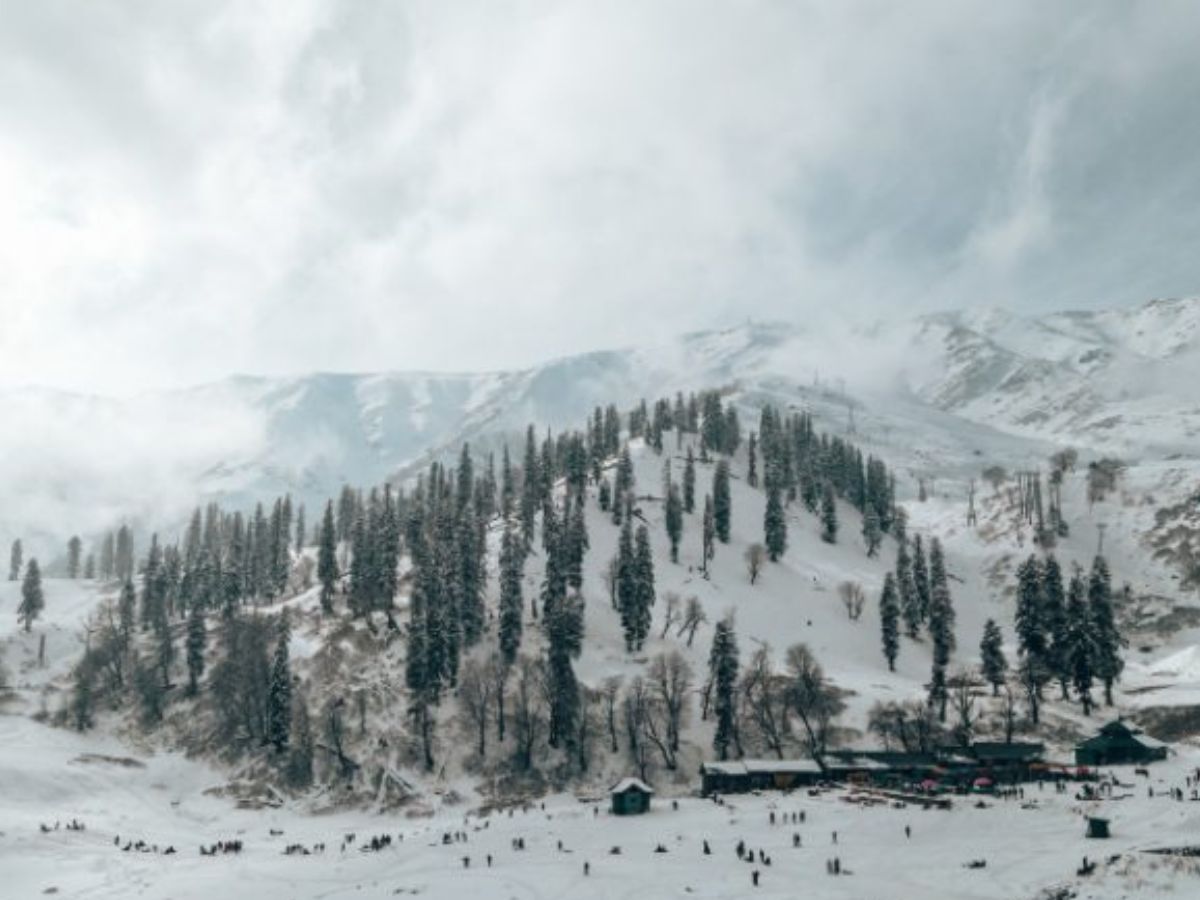
As winter reaches its most unforgiving phase, Kashmir prepares for a 40-day stretch that defines life in the Valley every year. Known as Chillai Kalan, this period is characterised by extreme cold, heavy snowfall, and frozen landscapes.
More than just a weather pattern, Chillai Kalan shapes daily routines, farming cycles, clothing, and centuries-old traditions, making it one of the most significant phases of Kashmir’s winter calendar.
What is Chillai Kalan in Kashmir?
Chillai Kalan, often called ‘the mighty cold’, marks the harshest phase of winter in Kashmir. It begins every year on December 21 and continues till January 29, lasting exactly 40 days.
During this time, temperatures regularly drop below freezing, and snowfall becomes frequent, especially in higher reaches. The period officially signals the peak of winter, when cold conditions intensify across the Valley.
Origin of the Term ‘Chillai Kalan’
The term has roots in the Mughal period when Persian influenced the local language. ‘Chila’ means to confine oneself indoors. Author and conservationist Hakim Sameer Hamdani explains that Sufis from Central Asia introduced the practice of staying indoors during harsh winters for spiritual reflection inside shrines.
This spiritual and cultural link gave the winter phase its name.
Why Does Chillai Kalan Bring Extreme Cold?
During Chillai Kalan, Kashmir experiences longer nights and very weak sunlight. Daytime temperatures struggle to rise, while nights turn bitterly cold. Water bodies begin to freeze, and icy winds sweep through the region.
This phase recently gained attention after Kashmir recorded one of its coldest winter nights in decades, highlighting how intense Chillai Kalan can become.
How Does Chillai Kalan Affect Daily Life?
Life slows down significantly during these 40 days. People prefer staying indoors as freezing temperatures disrupt movement. Water supply lines often freeze, and power demand rises sharply due to heating needs.
Even iconic water bodies like Dal Lake can freeze partially during severe spells. Roads in higher areas remain snow-covered, affecting travel and connectivity.
Why Farmers Welcome the Freeze?
Despite the hardship, Chillai Kalan carries good news for farmers. Sustained cold and snowfall improve soil moisture and kill pests. Apple growers, in particular, see the freezing temperatures as a positive sign for a healthy and productive crop cycle in the coming year. A strong Chillai Kalan often signals agricultural prosperity.
Cultural Traditions Linked to Chillai Kalan
Kashmiris adapt to the cold through traditions passed down through generations. The ‘pheran’, a long woollen cloak, becomes essential winter wear. December 21 is also observed as Pheran Day, celebrating traditional Kashmiri attire.
Households rely heavily on the ‘kanger’, a traditional fire pot used for warmth. The smell of burning wood and coal fills the air, becoming a defining sensory memory of winter in Kashmir.
What Comes After Chillai Kalan?
After Chillai Kalan ends, Kashmir enters Chillai Khurd (small cold) from January 30 to February 18, followed by Chillai Bachha (baby cold) from February 19 to February 28. While cold conditions continue, their intensity gradually reduces.
Why Chillai Kalan Matters Even Today?
Chillai Kalan is not just about cold weather. It reflects Kashmir’s resilience, traditions, and harmony with nature. As modern heating systems grow, the cultural significance of this period remains deeply rooted in everyday life.