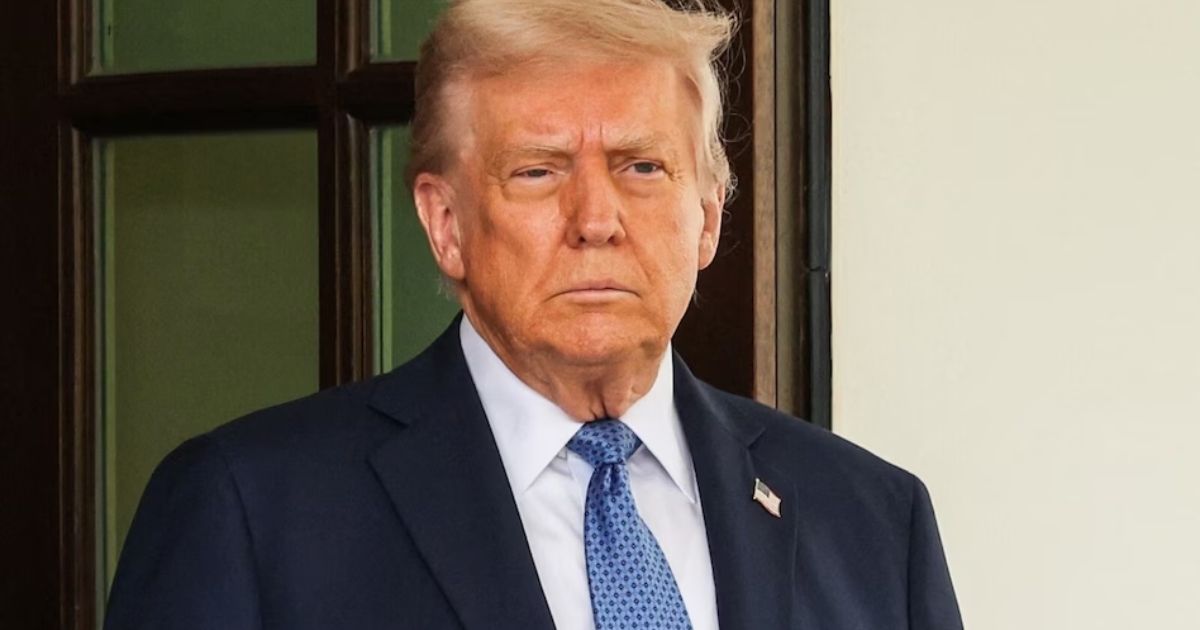
US President Donald Trump has undercut his own diplomatic story by charging Indian imports a 25% tariff. Weeks after he took credit for bringing peace between Pakistan and India during Operation Sindoor, this decision was made. Trump said that India halted its offensive instead of trade gains.
But now, all those trade vows are in ruins. The tariffs confirm India’s historic contention — that the ceasefire was a function of national interest, rather than foreign pressure. The conflicting words and deeds of Trump have laid bare not just his hypocrisy, but the vulnerability of the US’s diplomatic credibility within South Asia.
Operation Sindoor and India’s Stand
India conducted Operation Sindoor following the April 22 terror attack in Pahalgam that claimed 26 civilians’ lives. The Indian forces struck nine terror camps deep within Pakistan. Prime Minister Narendra Modi announced that Pakistan’s airbases were “still in ICU” as a result of precision strikes.
Trump subsequently said he prevented India from ramping up by threatening to sever trade relations. He wrote on Truth Social that he employed threats of trade to compel India into a ceasefire.
India categorically dismissed this. PM Modi informed Parliament that no foreign leader, including Trump, had any input in the ceasefire announcement. The Ministry of External Affairs reaffirmed this. Defence choices, they said, were according to India’s ends, not foreign coercion.
External Affairs Minister S. Jaishankar also stated that Modi and Trump did not have any communication during the operation. The ceasefire, he said, followed discussion between Indian and Pakistani DGMOs, not from US pressure.
Trump’s Tariff Move Breaks His Narrative
Trump’s 25% tariffs on Indian products coincided with India’s Parliament finishing debating Operation Sindoor. The timing couldn’t be more ironic.
His government, in a May 23 affidavit in a US court, asserted that it employed access to trade to prevent war between Pakistan and India. This document, which the Commerce Secretary Howard Lutnick filed, defended Trump’s tariff authority under the IEEPA law.
The legal argument mirrored Trump’s public rhetoric. However, the tariff strike paints a different picture. If Trump achieved peace with trade offers, why sanction India now? Rewards instead of sanctions. India received tariffs, not rewards. That fallacy dismantles Trump’s so-called success narrative.
India’s Response: Sovereignty First
India stood firm, and PM Modi asserted that the operation only concluded after Indian goals were accomplished. He disclosed Pakistan had begged for a ceasefire, stating they couldn’t endure the attack any longer.
India reiterated its message: national security matters are sovereign. No foreign entity can impose India’s defence stance.
Tariffs as Political Theatre, Not Strategy
Trump’s tariff game appears to be political theatre and not actual diplomacy. His “Liberation Day” tariffs target both allies and adversaries.
In India’s instance, the gesture boomeranged. He asserted leverage, then sanctioned the very nation he declared had acquiesced. This compromised the US’s reputation, particularly in an area where credibility is crucial.
US Diplomatic Credibility Now in Question
The Trump administration’s contradictory statements have undermined American credibility. Washington is now seen as unreliable and transactional.
This development will have implications in South Asia, where consistency of strategy is important. India will become increasingly risk-averse in dealing with US-led talks. Pakistan might take US assurances lightly.
Trump’s effort to demonstrate strength demonstrated weakness. The region perceives Washington now as a power ready to warp facts, not maintain peace.
India Stood Its Ground
India would not be drawn into Trump’s drama. It stood on its rights as a sovereign nation, brushed aside coercion allegations, and remained resolute on national interest.
Trump’s tariff assault not only damages trade. It also revealed a failed foreign policy script — one that New Delhi never subscribed to. The outcome: India emerges vindicated, and the US stands to lose some trust.