India’s historical defence cooperation with Russia is picking up momentum once again, with reports of major military purchases and mooted joint ventures. Leading the charge is the impending completion of the delivery of the S-400 Triumf air defence systems AKA SA-21 Growler, a vital component of India’s strategic air defence. But wait there is more, negotiations are underway on co-producing Su-57 fifth-generation fighter aircraft and the possible purchase of the S-500 Prometey, Russia’s cutting-edge missile defence system.
The Su-57 deal, according to reports, can give a boost to India’s defence manufacturing sector. A joint production proposal with Hindustan Aeronautics Limited (HAL) is under consideration, which will enable India not only to import the stealth fighter, but domestically produce it with locally designed upgrades—especially Indian-produced AESA radars, avionics, and weaponry. The decision aligns with India’s overall ‘Aatmanirbhar Bharat’ efforts in defence.
Su-57: The 5th Gen push India seeks
Defence analysts opine that Su-57 warplanes would hugely add strength to the Indian Air Force in the face of growing threats from China and Pakistan. As China’s J-20 is already deployed and Pakistan is seeking to upgrade its aircraft fleet, India’s existing number of fighter jets is lagging behind IAF’s estimated squadron size. Su-57, along with indigenous AMCA programme, could plug this important gap.
Multi-layer Air Defense for Air dominance
In the meantime, India is negotiating for possible future acquisition of Russia’s S-500 air defense system, which has the capability to intercept hypersonic missiles and low-earth orbit satellites. If sanctioned, India would join a select group of nations to have a multi-layer missile defense, further bolstering its deterrence position.
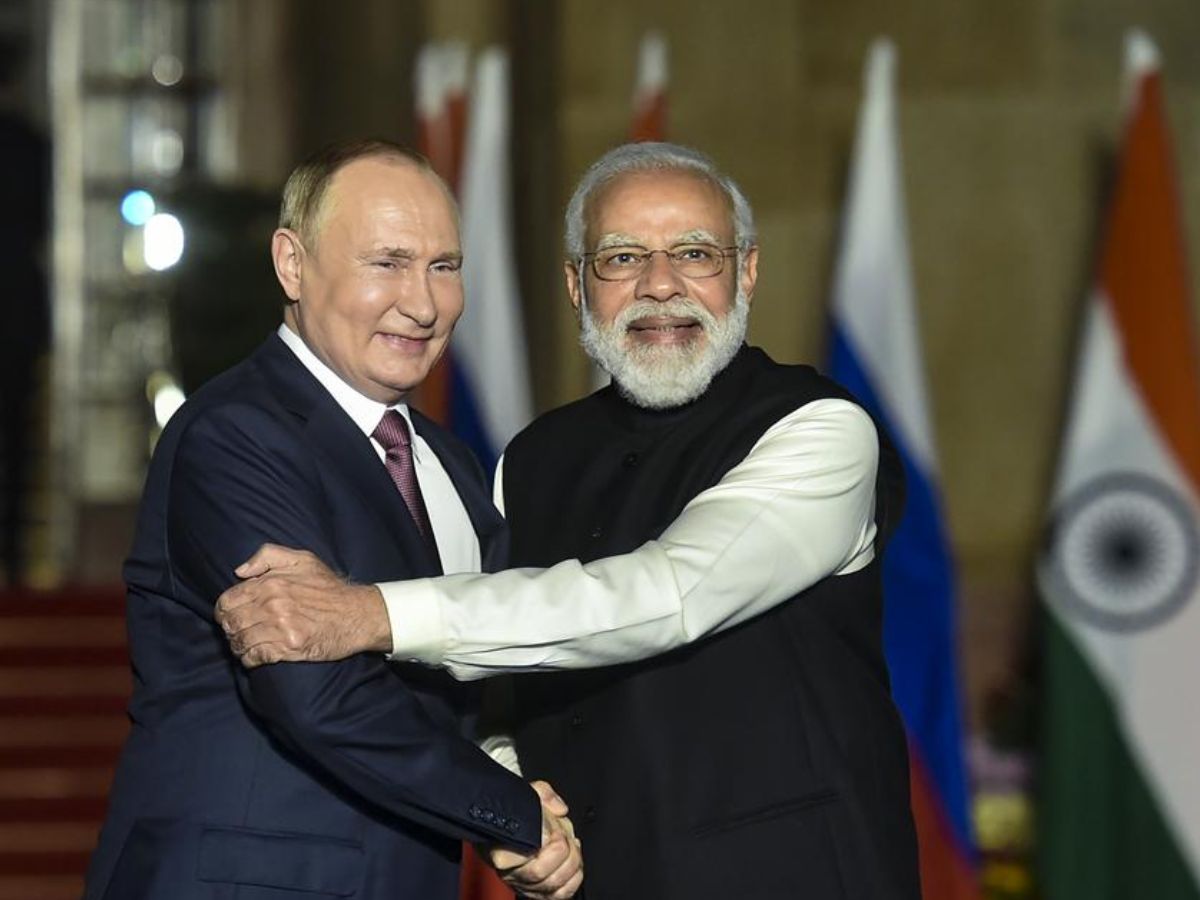
These transactions also represent a strategic realignment as India diversifies sources of military purchases while maintaining Russia as a crucial partner. There were concerns over the past few years from delays in supplies because of the war in Ukraine and economic sanctions imposed on Moscow, but both nations seem determined to maintain continuity.
Strategic Impact
The culmination of all these transactions may revamp India’s regional security dynamics. With increased air dominance through Su-57s, strong missile defence through S-400 and S-500 systems, and prioritizing indigenous manufacturing, India is setting itself up to be a major air power—while bolstering strategic autonomy in an uncertain global order.