At the NXT Fellowship, Dr. K.V. Subramanian argued that India’s path to a $55 trillion economy rests on formalization, rising labor force participation, and entrepreneurship, among other key structural drivers. His vision is compelling, and it would be even stronger with nutrition placed firmly at the table. India faces a stark triple burden of malnutrition—undernutrition, micronutrient deficiencies, and overnutrition—and the food environments shaping what citizens eat will matter just as much as the economic engines driving growth. As India’s economic pizza grows larger, the vital question remains whether it will also nourish the people eating it.
During the NXT Fellowship’s opening session, Dr. K.V. Subramanian outlined a powerful trajectory for India’s future: sustaining 8% real economic growth over two decades. The core analogy was vivid—bigger pizzas mean larger slices for everyone. However, from the perspective of public health nutrition, we must ask a critical follow-up question: as the pizza expands, what are people actually putting on their plates?
The Urban Diet Paradox
India’s rapid urbanization adds intense complexity to its macroeconomic growth narrative. In many expanding metro areas, the most affordable, accessible, and convenient dietary options skew heavily toward fried, sugary, and ultra-processed foods. Conversely, nutrient-dense alternatives like pulses, coarse grains, and fresh produce are becoming increasingly difficult to afford or access for lower-income urban residents.
Data from the Global Diet Quality Project highlights that only 41% of Indian women currently meet minimum dietary diversity standards. Furthermore, the UN’s SOFI report estimates that a staggering 42.9% of India’s population cannot afford a healthy, balanced diet.
Malnutrition and Workforce Productivity
Public health research documents that it is diet quality, rather than simple caloric quantity, that is most closely correlated with persistent malnutrition across the country. The coexistence of undernutrition, micronutrient deficiencies, and rising overnutrition creates overlapping challenges that are incredibly difficult to reconcile with the high level of human capital and workforce productivity required to sustain an 8% growth rate over multiple decades.
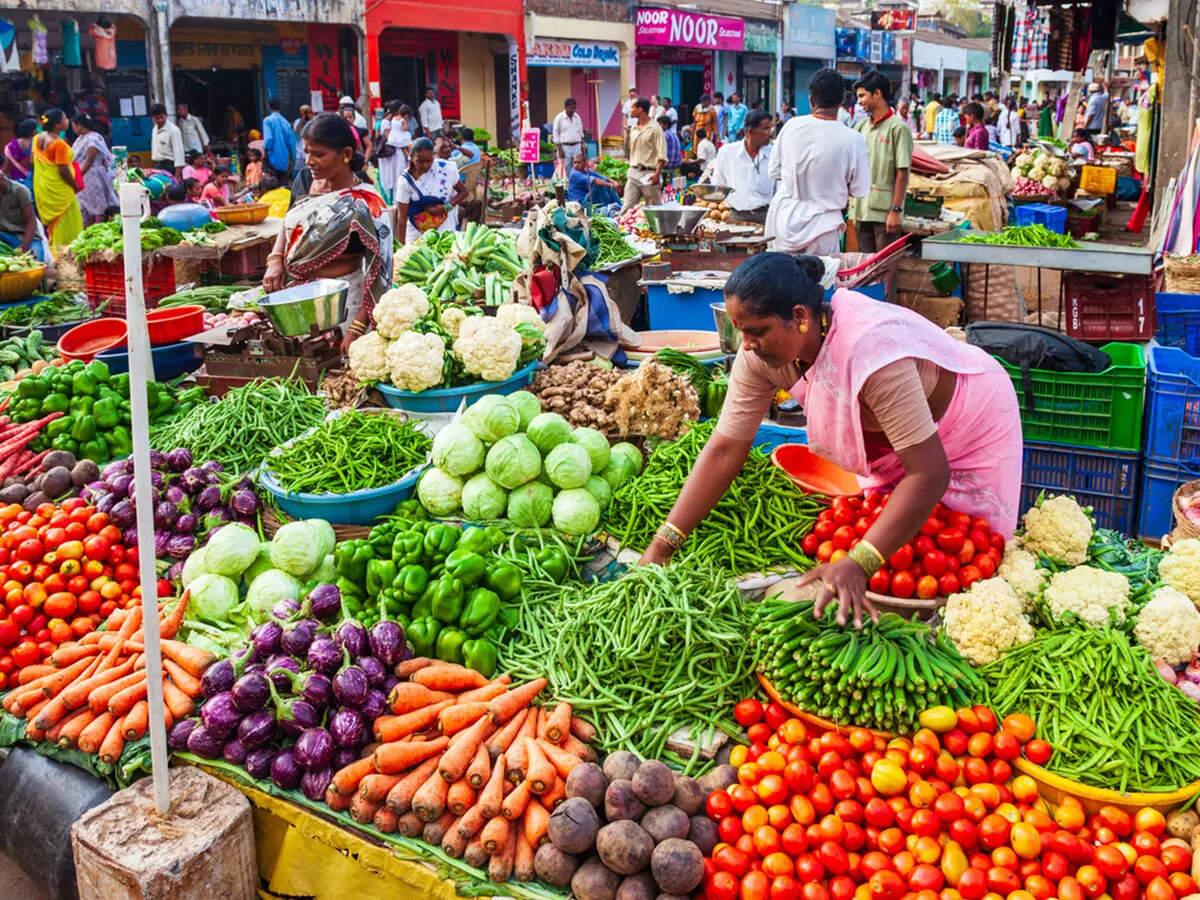
The street vendor used to illustrate India’s sprawling informal economy during the fellowship sessions is the exact same individual navigating a food environment where the healthy choice is rarely the easy or affordable one. Systematic interventions are required to reshape these spaces:
-
Subsidizing Nutrient Density: Expanding targeted distribution frameworks to make pulses, millets, and fresh produce financially viable for lower-income households.
-
Urban Food Planning: Regulating urban food environments to prevent the proliferation of “food deserts” in lower-income working districts.
-
Institutional Fortification: Leveraging public networks to deliver essential micronutrients at scale, directly supporting the physical foundations of labor productivity.
Dr. Subramanian’s goal of a larger economic pizza is undoubtedly the correct target for the nation’s future. However, building a robust framework of nutrition equity is the only way to ensure that this historic growth meaningfully nourishes everyone sitting at the table.
Elizabeth Reyes, Harvard T.H. Chan School of Public Health, United States | NXT Fellow 2026