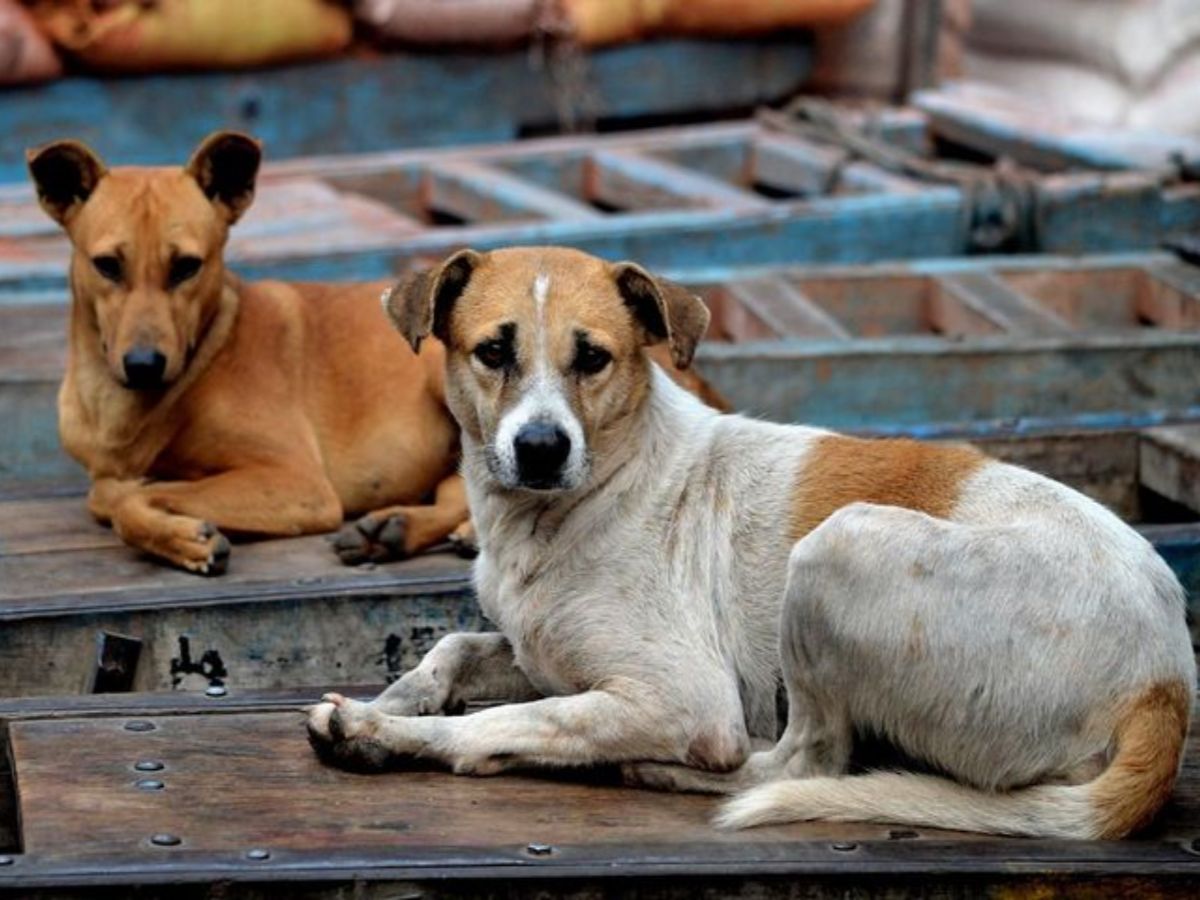
The Supreme Court, in a fresh order on Friday, directed civic agencies to strictly follow Animal Birth Control (ABC) rules, mandating that sterilised and vaccinated stray dogs be released back into their localities. The move, aimed at balancing public safety and animal welfare, marks a shift from earlier directions.
However, for Delhi, the path to implementation remains riddled with obstacles. Collapsing infrastructure at ABC centres, chronic staff shortages in the Municipal Corporation of Delhi (MCD), and poor waste management continue to cripple efforts on the ground. Unless these systemic gaps are fixed, experts warn, the court’s latest ruling risks becoming yet another paper directive.
Struggling ABC centres: “Operating on credit”
Spot checks conducted at seven of Delhi’s 20 ABC centres earlier this month revealed minimal space, limited resources, and delayed government reimbursements. Most of these facilities are run by NGOs, already stretched thin while trying to meet repeated court deadlines and public pressure.
“We have been operating without reimbursement at all centres for the last six months,” said Geeta Seshamani, vice-president of Friendicoes, which manages three such units. “At our Defence Colony centre, around 500–550 dogs are sterilised every month, but the pressure is constant and the resources thin.”
A 2023 report by Ahimsa Fellowship fellows had flagged the same issues: shortage of veterinary officers, overcrowded kennels, and poor segregation. It also noted that sterilised dogs were often detained longer than required and not tagged before release, violating ABC guidelines.
Also Read: Can Leaders Rule from Jail? Amit Shah Sparks Fierce Debate with Bold Bill on PMs, CMs and Ministers
Gaps in MCD’s veterinary department
The MCD, tasked with leading Delhi’s stray dog control programme, faces severe manpower deficits. According to its own data, 277 of 649 sanctioned posts in the veterinary department are vacant. Supervisory posts have been hit the hardest, with nearly 60% of veterinary officer positions unfilled.
The department has also been functioning without a director for more than nine months, while one of its two additional director posts remains vacant. The shortfall extends to inspectors, drivers, animal catchers, and even clerical staff.
“In order to capture dogs and ensure effective sterilisation and return, the manpower gaps need to be addressed,” admitted a senior MCD official on condition of anonymity.
Waste mismanagement: The hidden feeding points
While the court has barred street feeding of dogs except in designated feeding zones, residents argue that Delhi’s poor waste disposal undermines the entire plan. Thousands of dhalaos, open garbage collection points—continue to act as informal feeding hubs for stray dogs.
“Atul Goyal, president of Urja, an umbrella body of over 2,500 RWAs, said, “Dhalaos are always a source of food for dogs. Similarly, waste and scraps thrown by restaurants in markets continue to attract them. Until we fix waste management, feeding points mean little.”
Residents in Maharani Bagh raised similar concerns, citing the steady supply of bones and leftovers in local dhalaos that fuel stray dog populations.
Experts call for adoption, funding, and compassion
Animal welfare groups stressed that sterilisation and feeding zones alone would not solve the problem. Without action against illegal breeding and stronger promotion of adoption, dog populations will continue to swell.
“Refuse to support breeders and adopt from shelters,” urged Shaurya Agarwal of PETA India. “Get companion dogs sterilised and support sterilisation drives.”
NGOs also underlined the need for sustained funding and timely reimbursements. “Delays in payments affect food, medicine, and staff salaries. Without correcting these basics, no Supreme Court order can work,” Seshamani warned.
The way forward, experts believe, lies in collaboration between civic bodies, NGOs, and citizens. “Infrastructure like health centres and feeding zones must be equipped and managed responsibly. The true impact will depend on accountability and compassion,” said Alokparna Sengupta of Humane World for Animals India.