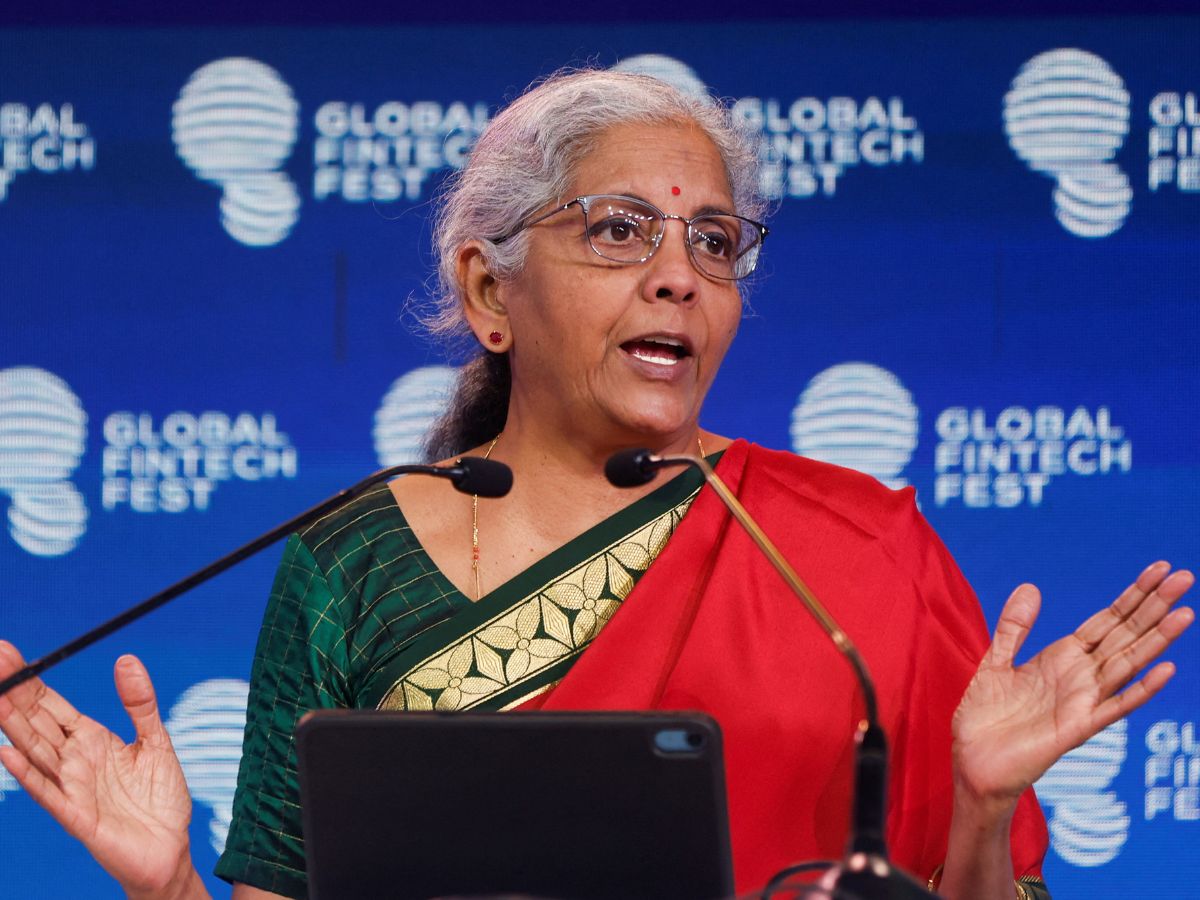
Finance Minister Nirmala Sitharaman has brought one of the most significant tax reforms since 2017, with the introduction of GST 2.0. The goal of the new reform is to give a boost to the economy, especially amid the US tariffs.
In an interview with Hindustan Times, Sitharaman explained that the rationalization of GST rates is expected to increase consumption and may help the government end the financial year without revenue loss. She mentioned how she plans to focus on ensuring the benefits of rate cuts are passed on to the people.
The FM called the reforms ‘pro-people’ and ‘pro-poor and stated that the changes, which will come into effect on September 22, 2025m could lead to revenge buying. She said, “If the festive season goes as per expectations, if it is good, this financial year itself we will be able to make up…In all likelihood, from September 22, people will go out and buy, just like they did post-COVID. Revenge buying. That’s what industry is telling us.”
ALSO READ: GST 2.0: List of Goods to Face the 40% Sin Tax | COMPLETE LIST
Reflecting on the process of GST restructuring, Sitharaman remarked, “I enjoyed this phase. It was rigorous. It was intense. It was like taking a tough exam…Whether this benefits people is a different exam, and I will take that too.”
Is GST 2.0 FM Sitharaman’s Biggest Achievement?
Upon asking if GST 2.0 has been her greatest achievement, she underlined that every issue had been a challenge. “Covid and coming out of it was no less a challenge,” she said. FM Sitharaman further stated, “Unless the people of India respond to the changes being undertaken…and we are seeing them respond, that’s why you are seeing the Indian economy be so robust.”
ALSO READ: GST 2.0: What Gets Cheaper, What Gets Costlier | Check Here
She acknowledged there are still challenges but stressed India’s growth fundamentals remain strong. “We will soon be the third-largest economy in the world. Our fundamentals are absolutely sound,” she added.
On being asked if the reforms were politically motivated ahead of elections, the minister dismissed the idea, saying, “This is for 1.4 billion people; GST affects every person in some way. And there are people in Bihar also.”