National Pollution Control Day is annually observed on December 2nd in the memory of those who lost their lives due to the Bhopal Gas Tragedy of 1984. The day is meant to create awareness among people regarding pollution, which is continuously affecting air, water, and soil; it also aims at providing preventive measures against industrial disaster-like situations such as in Bhopal.
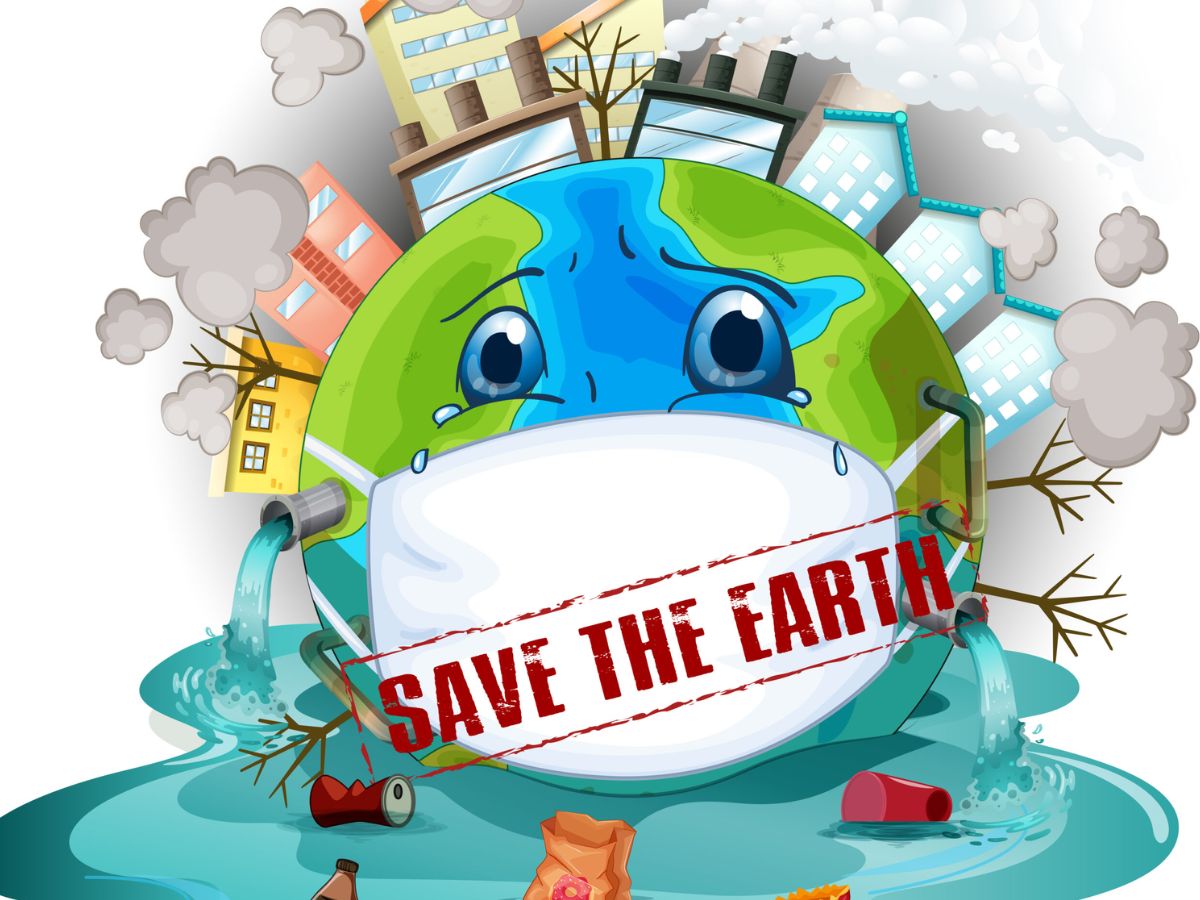
The whole world faces serious threats to health and quality of life from pollution. The National Health Portal of India puts the number of deaths on account of air pollution alone as approximately 7 million deaths every year. Pollution, also known as environmental contamination, happens when harmful substances or forms of energy, such as heat, sound, or light, are sent out into the surroundings, thus disrupting the usual balance of the environment.
Many activities, including firecrackers, carbon emissions, industrial gas leaks, and explosions, contribute to pollution. On the whole, as the global level of pollution increases day after day, tackling this growing problem should be addressed by both governments and individuals.
Why National Pollution Control Day Is Celebrated
National Pollution Control Day is held every year to commemorate the Bhopal disaster and to address the severe consequences of industrial carelessness. It aims at making people more aware of the pollution control measures, hazards in the environment, and the need to inculcate sustainable practices for a safer, healthier planet, not only for ourselves but also for generations to come.
Objectives of National Pollution Control Day
The overarching theme of the day is to raise awareness among people and industries alike about different forms of pollution-air, water, soil, and noise-and their effects on health and the environment. The Bhopal Gas Tragedy, where poisonous Methyl Isocyanate gas was released from a pesticide factory, still ranks as the worst industrial disaster ever in world history.
It helps in creating a better and safer environment through awareness. Several initiatives, such as limiting vehicles in Delhi by the odd-even system, have been introduced by the Indian government for the reduction of pollution. The National Pollution Control Board monitors industries regularly to see that environmental laws are not violated.
About Bhopal Gas Tragedy
On 2nd and 3rd December 1984, a leak of MIC and other chemicals occurred at the UCIL pesticide plant located in Bhopal, Madhya Pradesh. The leak caused more than 500,000 people to be affected, with approximately 2,259 immediate deaths, while subsequent reports by the Madhya Pradesh government estimated the death toll at around 25,000. The Bhopal disaster is considered one of the largest industrial catastrophes in the world.
Preventive Measures by the Indian Government to minimize Pollution
The government in India has put in place numerous laws and regulations concerning the control and prevention of pollution, such as:
Water (Prevention & Control of Pollution) Act, 1974
Water Cess Act, 1977
Air (Prevention & Control of Pollution) Act, 1981
Environment (Protection) Rules, 1986
Environment (Protection) Act, 1986
Rules on Hazardous Chemicals, 1989
Hazardous Waste Management Rules, 1989
Rules for Genetically Engineered Organisms, 1989
National Environment Tribunal Act, 1995
Chemical Accidents Rules, 1996
Bio-Medical Waste Management Rules, 1998
Recycled Plastics Manufacture and Usage Rules, 1999
Ozone Depleting Substances Rules, 2000
Noise Pollution Rules, 2000
Municipal Solid Waste Management Rules, 2000
Batteries Management Rules, 2001
Maharashtra Bio-Degradable Garbage Ordinance, 2006
Environment Impact Assessment Notification, 2006
Ways to Reduce Pollution
Many measures can be taken to minimize pollution:
Proper treatment and management of solid waste
Waste treatment biochemically to enable waste recycling and reuse.
Treatment of electronic wastes to avoid environmental hazards. Clean Development Mechanism Projects in urban areas
Also Read: Chandigarh Sector 26 Shooting: Lawrence Bishnoi Associate Perry Killed; Here’s Why the