On September 8 Kerala reported its fifth case of death from deadly brain eating amoeba called scientifically Naegleria fowleri. The last victim was a 56 year-old woman named Sobhana from Thiruvali in the Malappuram district who was hospitalized and succumbed to the infection.
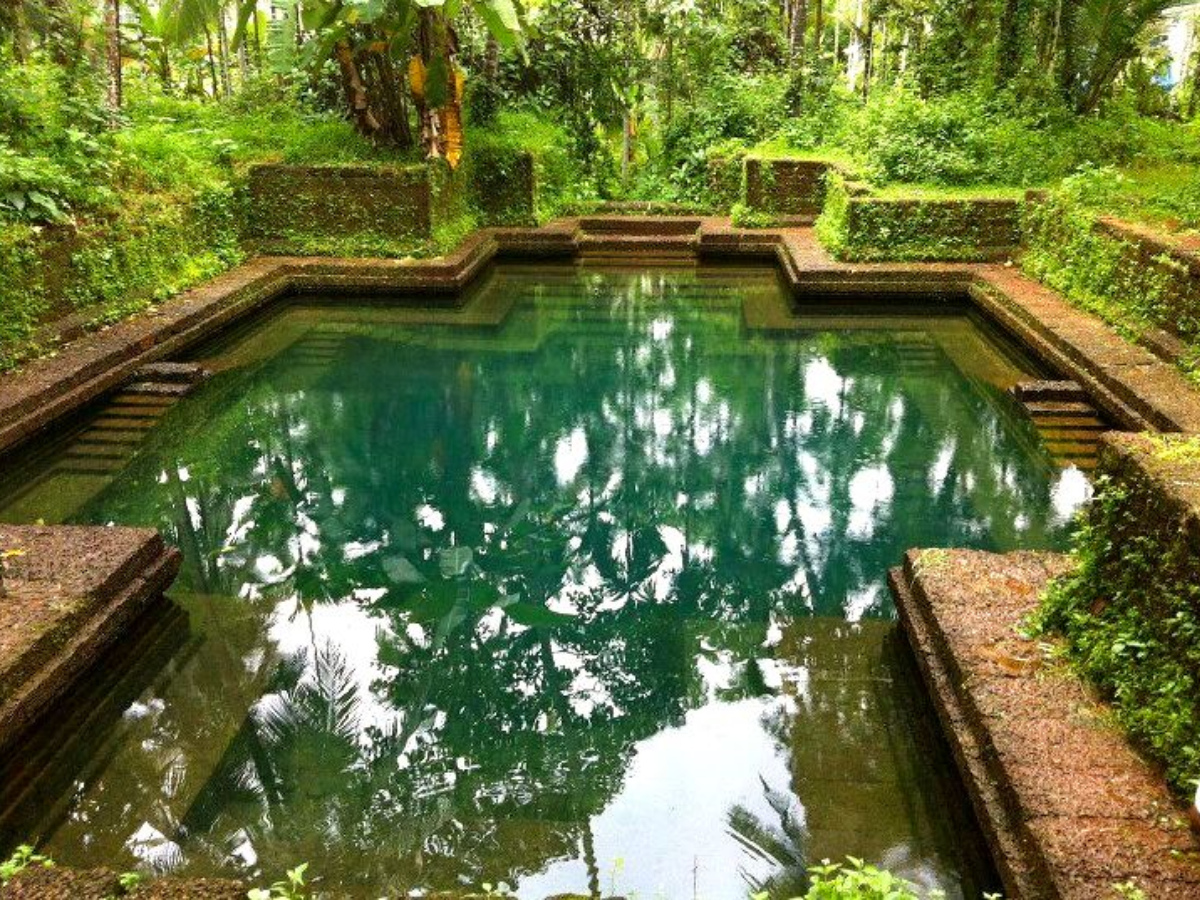
The incident throws a scare into the possibilities that might remain for the health threat from this rare disease, often regarded as fatal and which has raised giants alarms in the southern Indian state where traditional pond bathing remains a wide community cultural practice.
Details of the Latest Victim
Sobhana was the fifth death from the amoeba since around the middle of August. Ratheesh, a 45 year-old man residing in Sulthan Bathery in Wayanad district, succumbed to the infection just two days ago.
ALSO READ: India Borders on High Alert After Nepal PM KP Sharma Oli Resignation Amid Protest | Watch
Currently, there are 11 patients admitted at Kozhikode Medical College hospital displaying symptoms of Primary Amoebic Meningoencephalitis (PAM) at least one of whom is reported to be in serious condition. Kerala has seen 42 cases so far this year reflecting an ominous rise in infections associated with this microscopic organism.
How Primary Amoebic Meningoencephalitis is Cause?
PAM is caused by the Naegleria fowleri a microscopic amoeba found in warm stagnant freshwater such as ponds, lakes and hot springs. The temperature intolerance of the organism is extremely high, usually going as high as 115°F (46°C) and conditions that are typically found in Kerala’s tropical environment.
ALSO READ: The Great Nicobar Project: Controversy and Everything to Know About
The contaminated water enters the nasal passages during swimming or bathing, allowing the amoeba to travel through the olfactory nerves to the brain where it rapidly creates a destructive inflammatory process within the brain tissue. Severely neurological symptoms are left in its trail-leading quite often to death.
How Infection Occurs & Preventive Measures?
There are two ways to get infected and the first is through the nose when water with Naegleria fowleri enters through the nose. This occurs even during swimming, diving or when the head is submerged in the contaminated water. From exposure to water for recreational purposes, traditional methods of cleaning the nose with untreated water can also present risks.
Even chlorinated pools can be a source if maintenance is inadequate. To prevent PAM one should avoid exposure to possibly contaminated water in stagnant ponds and unfiltered water bodies and rinse the nasal cavity with sterile or boiled water.
The recent deaths in Kerala bare a painful truth that hides behind many seemingly innocent traditional practices they can easily turn into health hazards. To prevent further tragedies of annihilation due to this microorganism and careful public awareness along with the provision of improved sanitation and extra precautionary measures are most imperative.
ALSO READ: Great Pyramid’s Latitude & Light Speed | Cosmic Coincidence or Myth