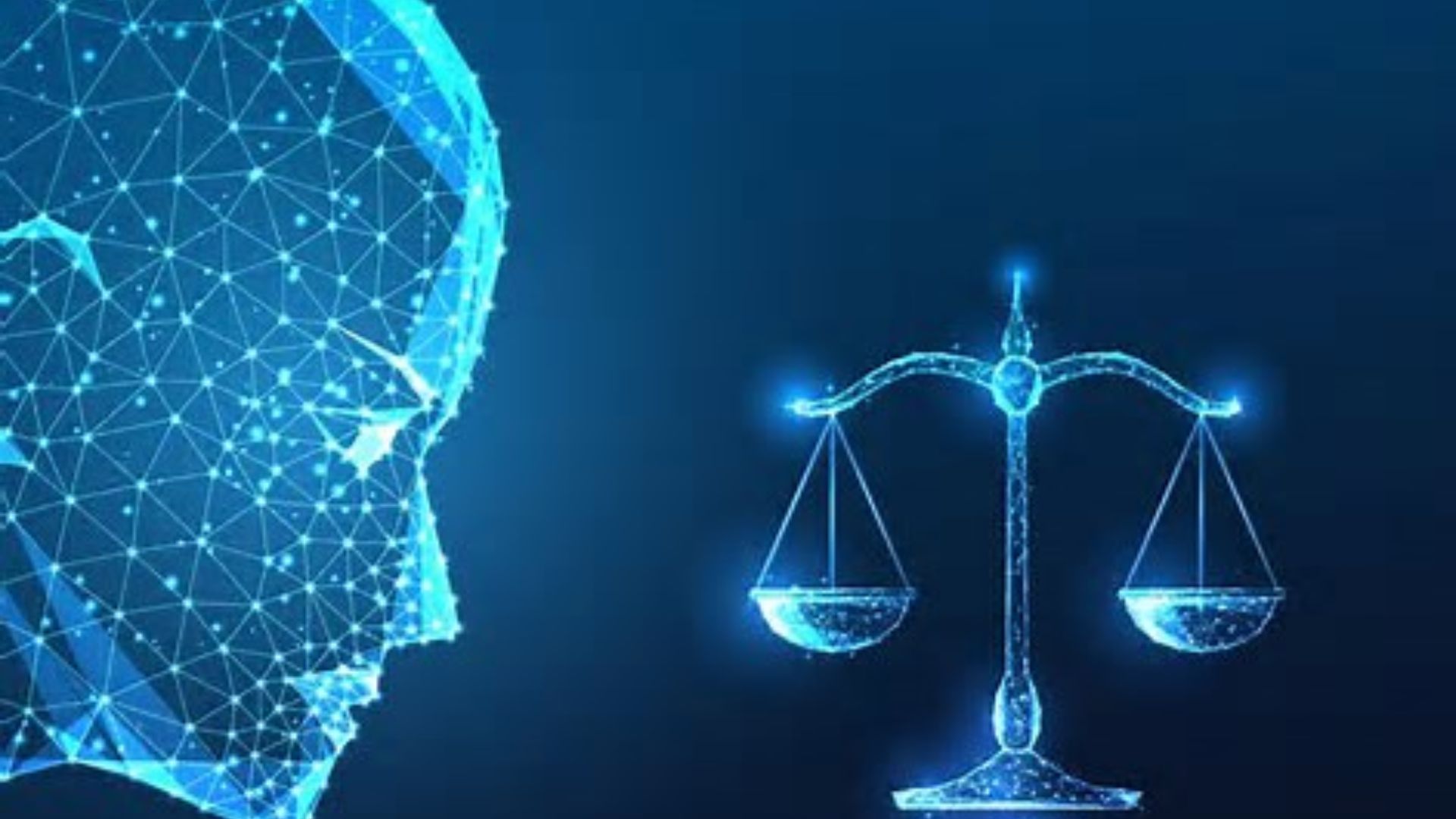
The Kerala High Court has taken a significant step by banning the use of Artificial Intelligence (AI) tools for preparing or issuing any kind of judicial orders.
Court Issues First-Of-Its-Kind Instructions in India
This is the first instance where any High Court in India has issued formal instructions on restricting AI use in the judiciary. The directive aims to ensure accuracy, maintain human oversight, and avoid errors caused by unverified AI outputs.
Strict Guidelines for AI Usage in Courts
On Sunday, the High Court released detailed guidelines applicable to all judges, judicial officers, and court staff. The order prohibits the use of cloud-based AI platforms like ChatGPT to draft or decide on legal orders, judgments, or conclusions.
The court stressed that violating these instructions would result in action against the person involved.
AI Tools Can’t Replace Human Judgement
The High Court made it clear that no AI tool—no matter how advanced—should be used to form legal conclusions or deliver court rulings. The ruling reflects growing concerns over accuracy, bias, and accountability in AI-generated content.
Mandatory Training Before Using AI Tools
To ensure proper usage of AI in limited, non-judicial settings, the court has mandated training sessions. Judicial officers must attend courses at the Judicial Academy or the High Court, where they can learn how to safely handle approved tools.
Use Only Approved AI Tools Under Supervision
If any AI tool is used, it must be formally approved. Even then, its use must happen under strict monitoring. At every step, there should be human supervision. If there is any mistake or anomaly, it must be immediately reported to the High Court’s IT department.
Focus on Responsible AI Integration
The Kerala High Court’s move promotes the responsible integration of technology in the justice system. It prioritizes human judgment, legal integrity, and public trust over the convenience of automation.
High Court Quashes Driving License Exam Reforms
In a separate development, the Kerala High Court, on July 16, cancelled the Transport Commissioner’s new rules for driving license exams.
Driving Schools Challenge State’s New Rules
The ruling came after driving school owners filed a petition claiming the reforms were unfair, illogical, and imposed unilaterally. They argued that these changes interfered with the central government’s authority on vehicle regulations.
Court Sides with Petitioners
After reviewing the case, the single bench found merit in the petitioners’ arguments. The High Court invalidated the circular issued by the Transport Commissioner along with related orders.
Government May Appeal the Verdict
The Kerala state government is likely to challenge the ruling before a division bench. A final decision on the reforms now rests with the appellate court.
What Were the Cancelled Driving Exam Reforms?
The now-quashed reforms had introduced major changes to the testing system. They included:
Increasing the number of license tests to 30 per day
Creating a new test track
Replacing the H-pattern test with a new format
Banning vehicles older than 15 years in tests
Disallowing foot-gear bikes for two-wheeler exams
Prohibiting automatic and electric vehicles in car license tests
778