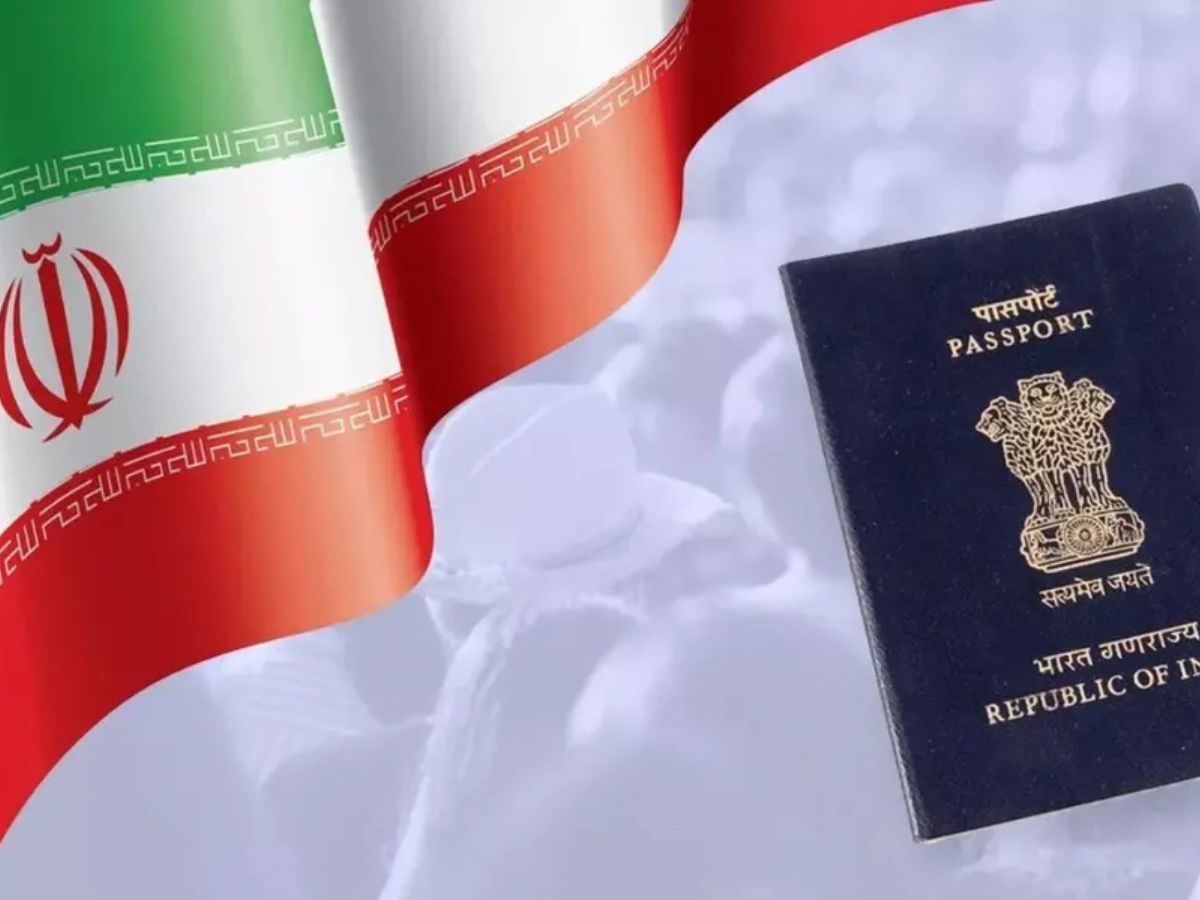
Iran has decided to suspend visa-free entry for Indian citizens holding ordinary passports. The change takes effect from 22 November 2025. This move marks a major shift in travel policy—and comes after serious warnings from the Indian government about fraud and kidnapping.
Why Iran Dropped Visa-Free Entry?
According to the Indian Ministry of External Affairs (MEA), the visa-free facility was being misused by criminal groups. These groups allegedly lured Indian nationals with false job offers or promises of onward travel to third countries.
When people arrived in Iran, many were reportedly kidnapped for ransom. To stop this exploitation, Iran has now made visas mandatory for Indians, whether they are entering or simply transiting.
New Rules: Entry and Transit Both Affected
From November 22, all ordinary Indian passport holders must obtain a valid visa before boarding to travel to or through Iran. Airlines have also been told to check visa status at boarding. This is a complete reversal from past policy, where Indians could enter Iran visa-free for short-term tourism.
MEA Issues Strong Advisory
The MEA has warned Indians to be extremely careful about agents promising visa-free travel or work in Iran. It said: “All Indian nationals intending to visit Iran are strongly advised to remain vigilant and avoid agents offering visa-free travel or onward transit to third countries via Iran.”
The government also emphasized that many recent incidents involved fake employment schemes. In some cases, these schemes appeared to be closely tied to criminal rackets working across borders.
A Troubling Pattern
These are not isolated events. According to the MEA, several Indian citizens have been repeatedly trapped in these scams. Some were even flown from Iran to other countries by networks that offer illegal migration routes.
One particularly alarming case involved four men from Gujarat. They were promised onward transit, but once they landed in Tehran, they were allegedly kidnapped and held for ransom. The MEA said these kidnappings appear to have been orchestrated by “criminal elements” using the visa-free facility.
Diplomatic Fallout and Travel Risk
This change could strain diplomatic relations between India and Iran. The visa waiver was originally introduced to bolster tourism and cultural ties. Now, with growing reports of trafficking and kidnapping, it underscores how visa-free travel, while beneficial, can be exploited badly.
For Indian travellers, especially job-seekers, the risk is now much higher. The MEA’s advisory reflects broader concerns over human trafficking. Moreover, transit passengers who use Iran as a hub to reach other countries will now face more hurdles. This could disrupt travel patterns, especially for those heading to Central Asia or beyond.
What This Means for Travellers?
Indians must apply for an Iranian visa in advance now. Airlines will check visas before boarding, so travellers can’t rely on visa-free entry. People planning to go to Iran for work or transit should verify their agents and job offers carefully.
The MEA says all Indian nationals should exercise “strictest vigilance” and avoid suspicious recruitment agents.