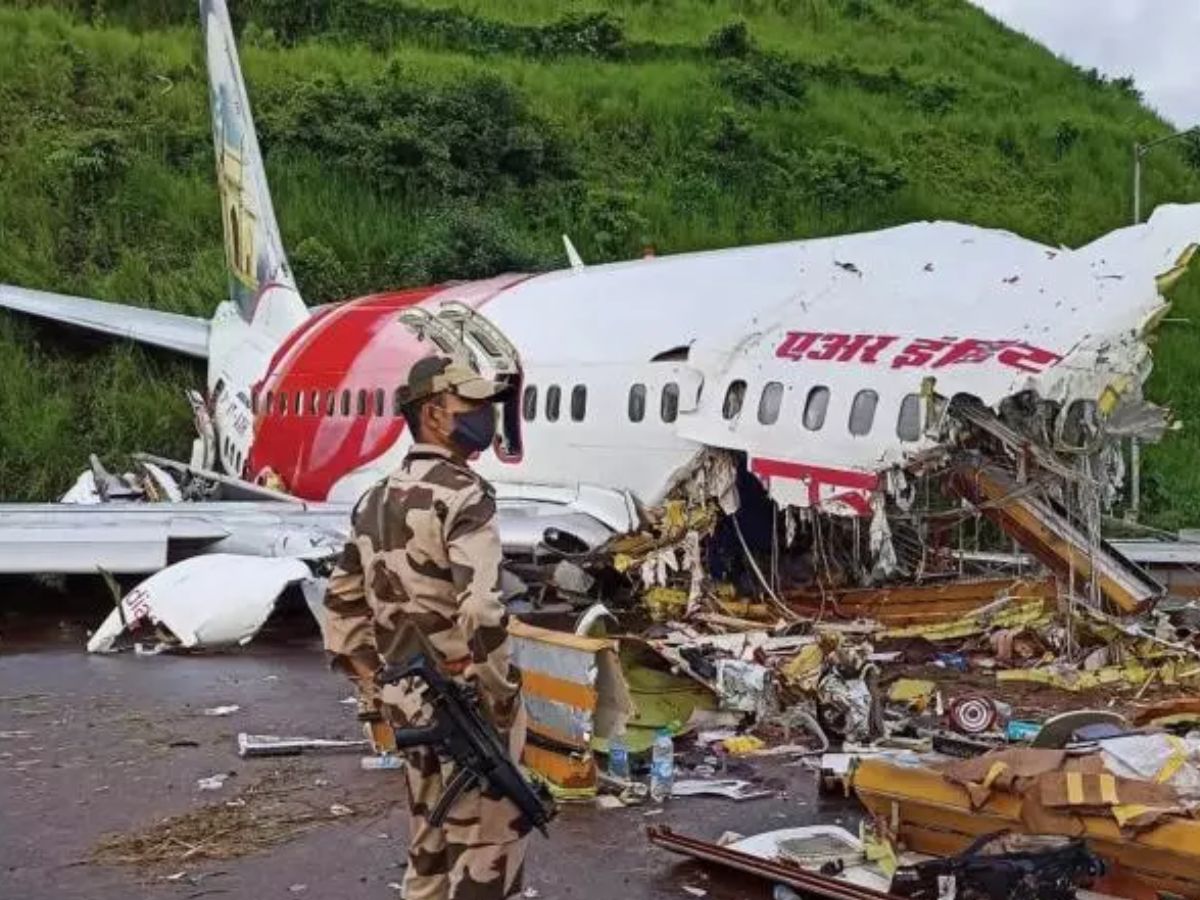
A parliamentary panel on Wednesday raised alarming concerns about India’s air traffic management system, noting that deviations from safety rules have become regular practice. The report stated that the system is “knowingly and consistently operating outside its own mandated safety limits” by relying on routine exemptions—an indictment that has cast fresh doubt on India’s aviation safety standards.
DGCA Staff Shortages Called Out
At the heart of the crisis lies a “profound and persistent shortage” of manpower. The report highlighted that the Directorate General of Civil Aviation (DGCA) is struggling with inadequate regulatory staff, alongside shortfalls in technical personnel and air traffic controllers in the field.
The panel described the manpower crunch as “an existential threat to the integrity of aviation safety”, warning that India’s fast-growing aviation sector risks being undermined by systemic neglect.
A Report Amid National Tragedy
The timing of the revelations has added weight to the debate. Just three months ago, India was rocked by the Air India crash in Ahmedabad that killed 260 people, the country’s deadliest aviation disaster in decades.
While the parliamentary committee clarified that its findings were not directly linked to that crash, the shadow of the tragedy looms large, intensifying public scrutiny of aviation regulators. Although the Ahmedabad event is still being investigated, safety experts contend that the report’s identified systemic deficiencies may have played a role.
Also Read: India Launches Agni-5 — What Does This Mean for Asia’s Security Balance?
The Bigger Picture: Aviation Under Pressure
India’s aviation sector is among the fastest-growing in the world, with domestic and international traffic rising rapidly. However, specialists have long cautioned that growth without corresponding regulatory reinforcement runs the risk of straining safety margins to their limit.
Civil aviation unions, pilots’ associations, and industry observers have repeatedly flagged fatigue among air traffic controllers, inadequate training, and chronic understaffing as brewing hazards. Now that the parliamentary panel has echoed those worries, the administration is under increasing pressure to take action before another catastrophe occurs.