In a new travel notice, the Indian Embassy in Iran has alerted its nationals against all non-essential travel to the nation. The notice issued on Wednesday, July 16, follows increased tensions in the region due to US attacks on Iranian nuclear facilities and recent hostilities across the border between Iran and Israel.
Although a ceasefire on June 24 was agreed upon, the security environment is still precarious. Indian citizens who are already in Iran have been advised to look into leaving through available commercial means.
Security Concerns Lead to Warning
The Indian government referred to weeks of deteriorating regional security as the justification for issuing the alert. The official warning asked Indian citizens to “carefully consider the changing situation before embarking on non-essential travel to Iran.”
— India in Iran (@India_in_Iran) July 15, 2025
The embassy urged the citizens to remain vigilant, monitor official news, and abide by the guidance of Indian authorities. Indians present in Iran were told that commercial ferries and flights are now available for optional departure.
This step indicates increasing regional turmoil, particularly after US attacks on Iranian nuclear facilities and the currently suspended Iran-Israeli conflict.
Ceasefire Holds, But Tensions Simmer
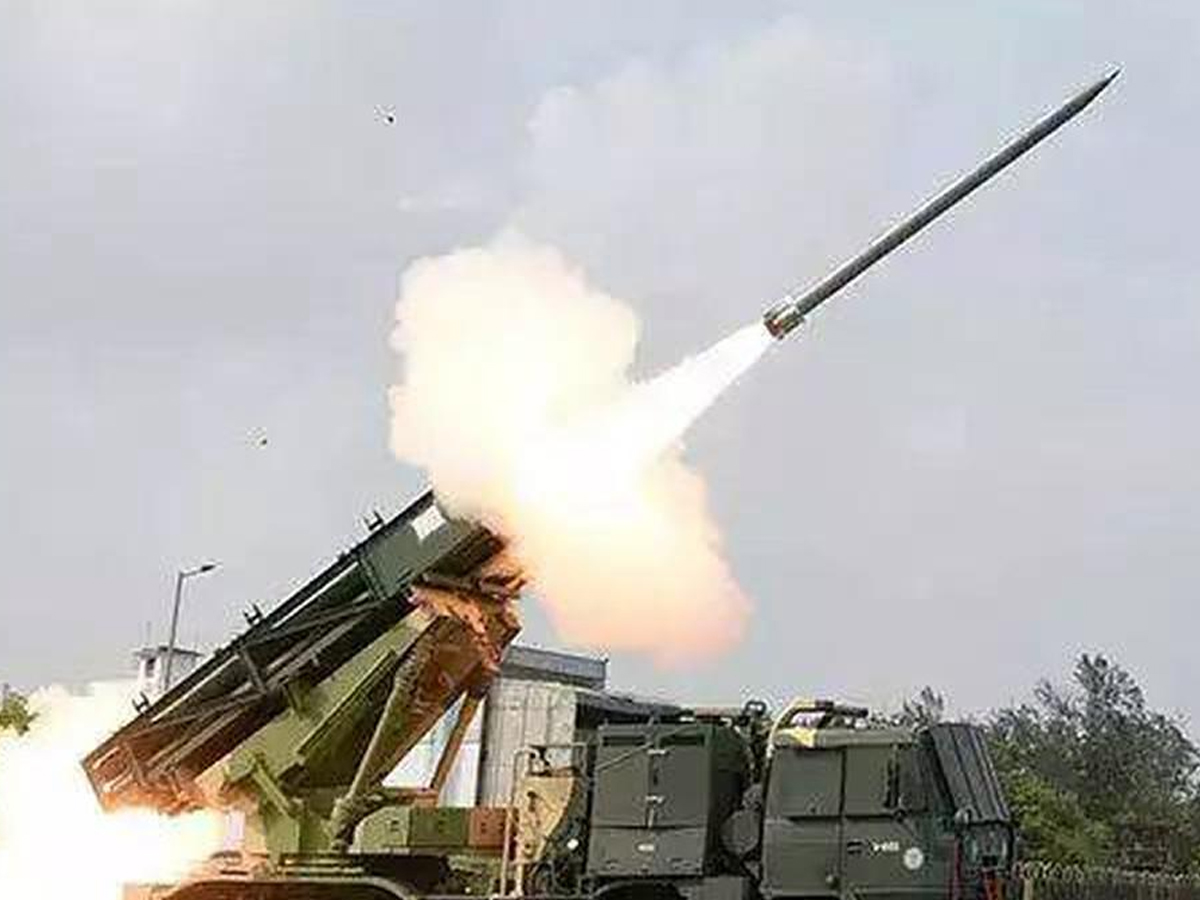
Iran and Israel had been in overt hostilities earlier this summer, trading cross-border missile attacks. That confrontation subsided in a ceasefire on June 24, facilitated in part by backchannel diplomacy spearheaded by the United States.
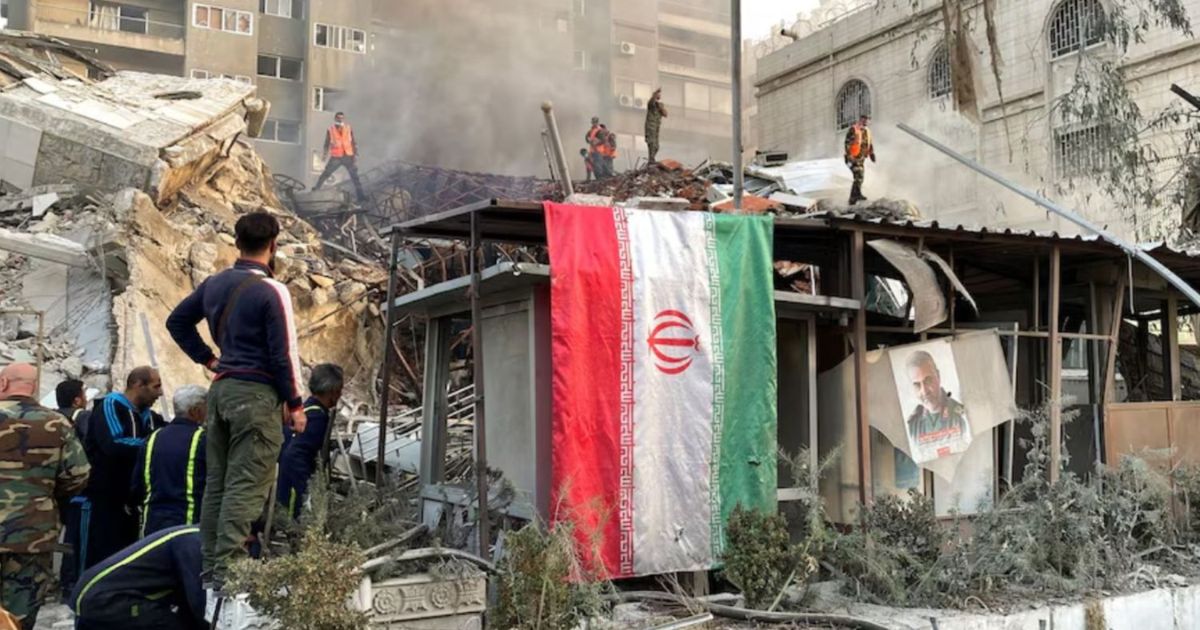
That situation once again flared, though, when the US carried out precision attacks on Iranian nuclear capabilities. Those attacks were authorized just days before the latest advisory, leaving the region in a state of uncertainty.
Even with the temporary lull, embassies and governments are cautious that the situation will get out of hand.
US Warned Citizens Earlier Too
India’s warning follows an identical advisory by the United States on July 11. The US State Department had advised all American citizens, particularly Iranian-Americans and dual nationals, against travelling to Iran.
The US referred to mounting instances of wrongful imprisonment, terming them acts of “hostage-taking.” The advisory emphasized that Iran does not accept dual citizenship and warned of an emerging threat against US nationals.
The alert was a direct reaction to recent moves by the Iranian government, which allegedly held foreign nationals in detention at a time when tensions between nations internationally have been mounting.
Crisis Diplomacy and Fragile Peace
The new Indian advisory serves to underscore the region’s lingering vulnerability in geopolitics. The US, during President Donald Trump’s administration, initially raised the crisis with military intervention, and afterwards mediated a ceasefire between Israel and Tehran.
Although that action temporarily de-escalated the immediate confrontation, retaliatory threats as well as recurring suspicion remain to dominate the diplomatic environment.
As the region holds its breath for what may be another cycle of tension, India has taken a precautionary measure to protect its nationals by advising caution and restricting travel to Iran. Commercial routes are open for now.
But the dynamic can change in no time. India’s advisory highlights a larger issue: in a part of the world where diplomacy and hostilities walk hand in hand, civilians have to be on their guard and ready.