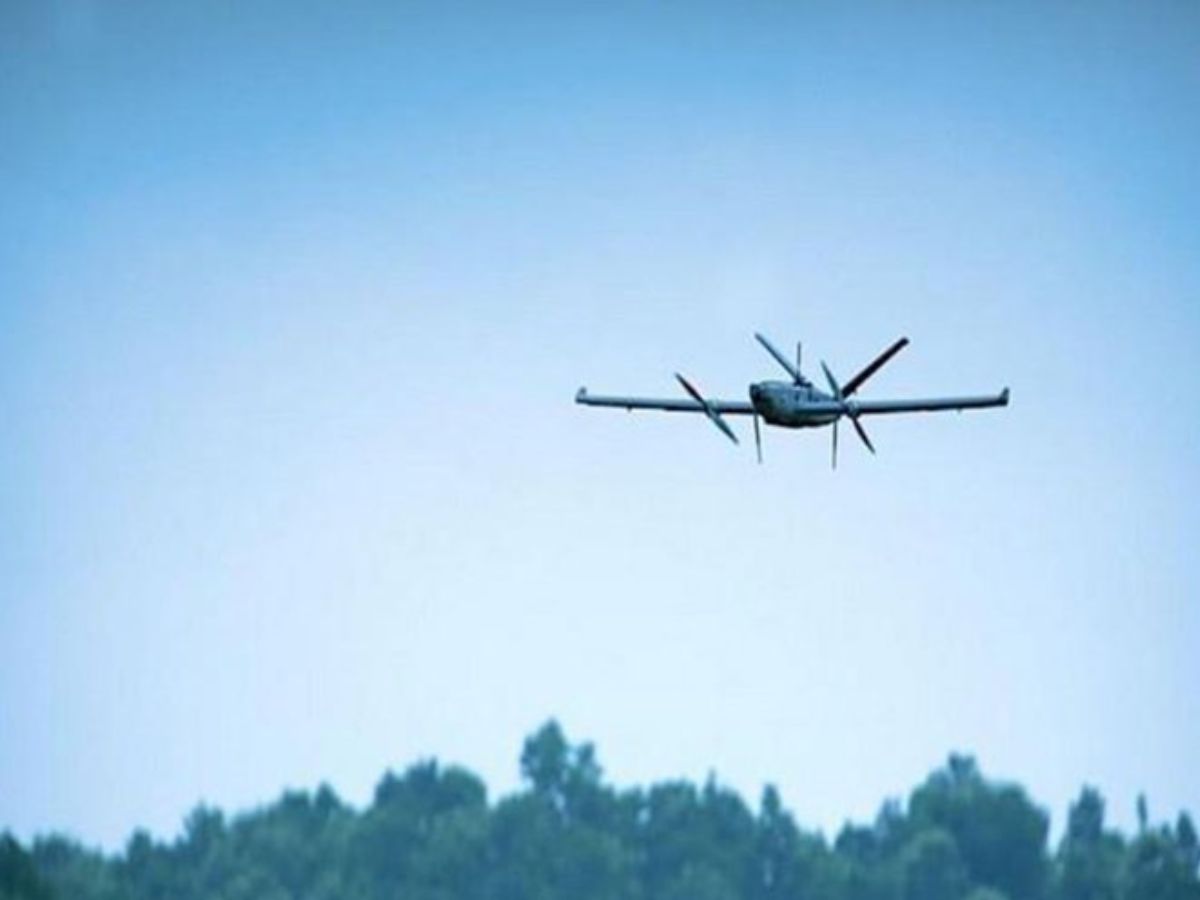
The Indian Army is moving ahead with plans to buy about 850 kamikaze drones, also known as loitering munitions, worth nearly ₹2,000 crore under a fast‑track procurement route. The acquisition aims to significantly enhance the Army’s ability to strike high‑value targets and support ground troops with precision strike capability during both conventional conflicts and counter insurgency operations.
The proposal is expected to secure clearance soon from the Defence Acquisition Council (DAC), which is scheduled to meet later this month. The drones and their launchers will be sourced from indigenous defence firms, reflecting a push towards self‑reliance in defence technology.
What Are Kamikaze Drones and How Are They Used?
Kamikaze drones are a type of loitering munition that can hover over an area before diving into a target and detonating, combining surveillance and strike in one system. They are especially useful for precision attacks on fortified positions, high‑value assets, and enemy formations.
The Indian Army already uses loitering munitions acquired from multiple sources, but the latest plan will expand this capability significantly with an eye on modern battlefields where unmanned systems are increasingly decisive.
Fast‑Track Acquisition and Indigenous Production
Under the fast‑track procedure, the Army plans to induct these drones rapidly to meet urgent requirements. The DAC approval will enable quick signing of contracts and commencement of production.
The drones, along with launch systems, will be made in India by domestic defence manufacturers. This aligns with ongoing efforts to reduce reliance on imports and strengthen the Atmanirbhar Bharat initiative in defence production. Various existing orders, such as contracts to national firms for drone manufacturing, show a growing domestic defence ecosystem.
Link to Operation Sindoor and Modern Warfare Needs
The emphasis on kamikaze drones follows lessons learned during Operation Sindoor, where unmanned systems played a crucial role. The Indian Army used drones extensively in this operation to strike terrorist hideouts and other hostile targets. The high effectiveness of these systems has influenced wider procurement decisions.
During Operation Sindoor, the Army was able to neutralise key enemy targets rapidly by integrating drones into tactical operations, showcasing their value for deep‑strike precision and battlefield awareness.
Integration With Infantry Units
Along with acquiring the drones, the Army plans to restructure combat units to fully exploit these new weapons. Each infantry battalion will be equipped with an “Ashni” drone platoon, tasked with operating kamikaze drones and other unmanned systems in battlefield scenarios.
These platoons are expected to enhance intelligence, surveillance, and strike capabilities, particularly in complex terrain and dynamic conflict situations.
Indigenous Defence Push Gains Momentum
The kamikaze drone deal is part of a broader shift to indigenous defence technology. Recent contracts worth hundreds of crores have been signed with domestic firms for advanced drone systems and other unmanned platforms.
Additionally, Indian defence startups and labs are working on next‑generation unmanned systems and long‑range loitering munitions, further boosting the nation’s self‑reliance in critical battlefield technologies.
What This Means for India’s Strategic Posture?
The acquisition underscores India’s recognition of drones as force multipliers in modern warfare. With threats from across multiple borders and evolving security challenges, integrating kamikaze drones into regular formations will help the Army maintain a tactical edge.
By combining fast procurement, indigenous manufacturing, and lessons from recent operations, the Army is preparing to face future conflicts with a blend of advanced technology and agile combat units.