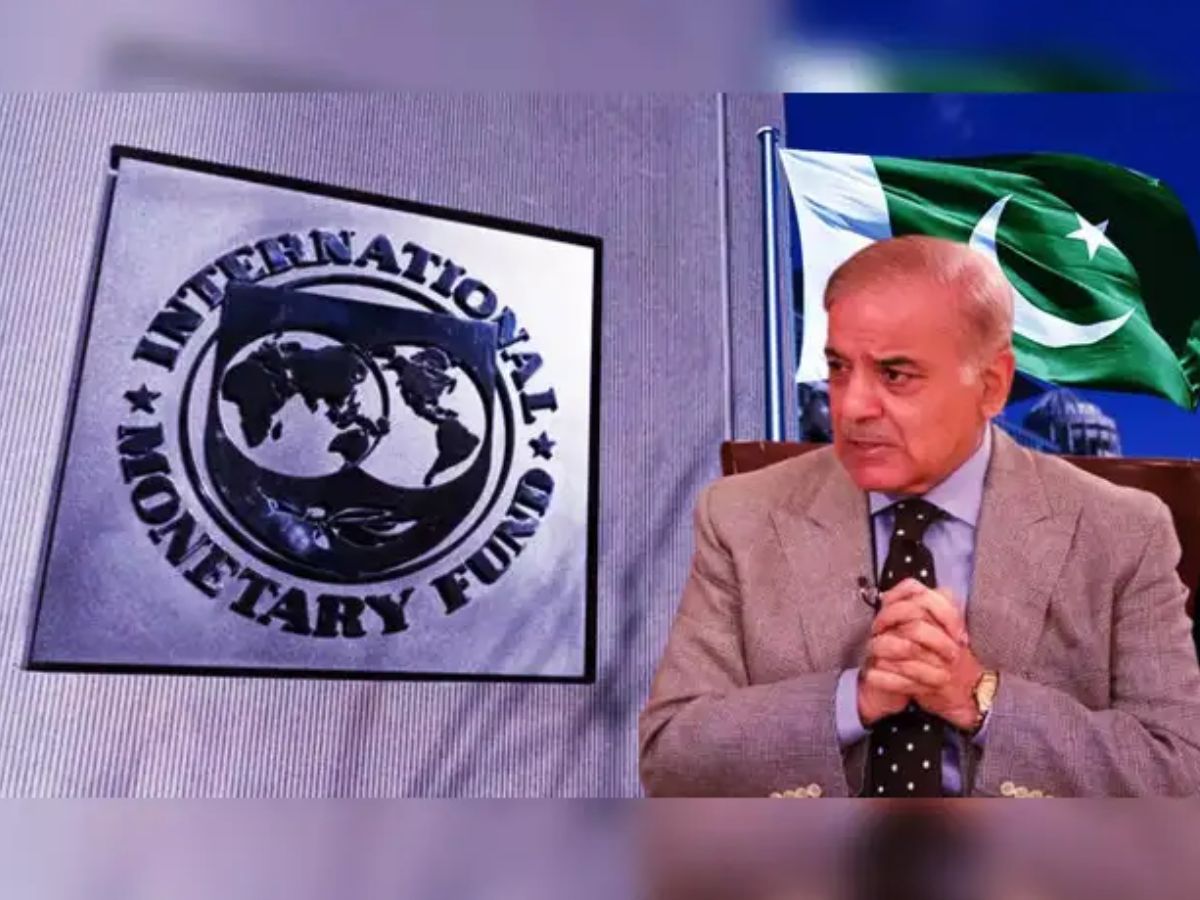
The International Monetary Fund (IMF) on Monday green-lit an additional $1.2 billion for Pakistan, extending much-needed support to the South Asian nation after years of financial stress.
The release brings the total aid under two ongoing programs, a bailout scheme and a climate-resilience facility, to $3.3 billion. Islamabad welcomed the decision as evidence that its recent “hard work” on reforms is bearing fruit.
IMF Loan to Pakistan: Why Does This Matter Now?
Pakistan’s economy slipped to the edge of default in 2023, following huge external debt burdens and a slump in foreign exchange reserves. The additional $1.2 billion injection arrives just as the country battles inflation, economic contraction, and climate-related shocks like last summer’s flooding. The fresh funds will help stabilise macroeconomic variables and provide critical breathing room for the government to pursue structural reforms and fiscal discipline.
According to the IMF’s deputy managing director Nigel Clarke, “Pakistan’s reform implementation… has helped preserve macroeconomic stability in the face of several recent shocks.” The loan approval signals confidence in Pakistan’s economic management and continuity of support under IMF-backed programs.
Economic Outlook Brightens, Inflation Set to Fall
With IMF backing, Pakistan now projects economic growth to reach 3.2 per cent in fiscal 2025-26, up from an estimated 3.0 per cent in the prior year. Meanwhile, inflation is expected to average 6.3 per cent, a sharp drop from the 23.4 per cent annual figure recorded in June 2024. The lower inflation rate could ease costs for consumers and stabilise prices across essential goods and services.
Reforms, Privatisation & Climate Funding on the Agenda
The IMF’s package comes with strong recommendations. Clarke urged Islamabad to push forward with privatisations of state-owned firms, strengthen anti-corruption efforts, and maintain investment in climate resilience projects — especially given Pakistan’s vulnerability to extreme weather events. A recent government-commissioned audit exposed widespread corruption risks in public enterprises, prompting calls for deeper reforms.
Prime Minister Shehbaz Sharif described the new loan as “proof that Pakistan is implementing the necessary steps for economic stability and growth.” He noted that restoring public trust and national stability required sacrifices, but the renewed IMF support validates the government’s turnaround efforts.
Reform Execution Will Matter
While the infusion provides immediate relief, analysts caution that Pakistan still faces major economic challenges. The country must deliver on promised reforms, including privatisations, currency stabilisation, and fiscal consolidation. Failure to follow through could jeopardise future instalments under the IMF deal and undo progress.
Moreover, global headwinds, rising commodity prices, climate-linked disasters, and geopolitical instability may pose further threats to Pakistan’s fragile economic recovery.
What This Means for Citizens?
For ordinary Pakistanis, the IMF funding could translate into reduced inflation, somewhat lower prices on essentials, and potentially more stable employment as businesses regain confidence. If reforms proceed smoothly, the government could also spur foreign investment and economic growth, bringing long-term gains.
Nevertheless, success hinges on disciplined policy execution and transparency. Only time will tell whether this per-second IMF boost turns into sustained economic stability and growth for Pakistan.