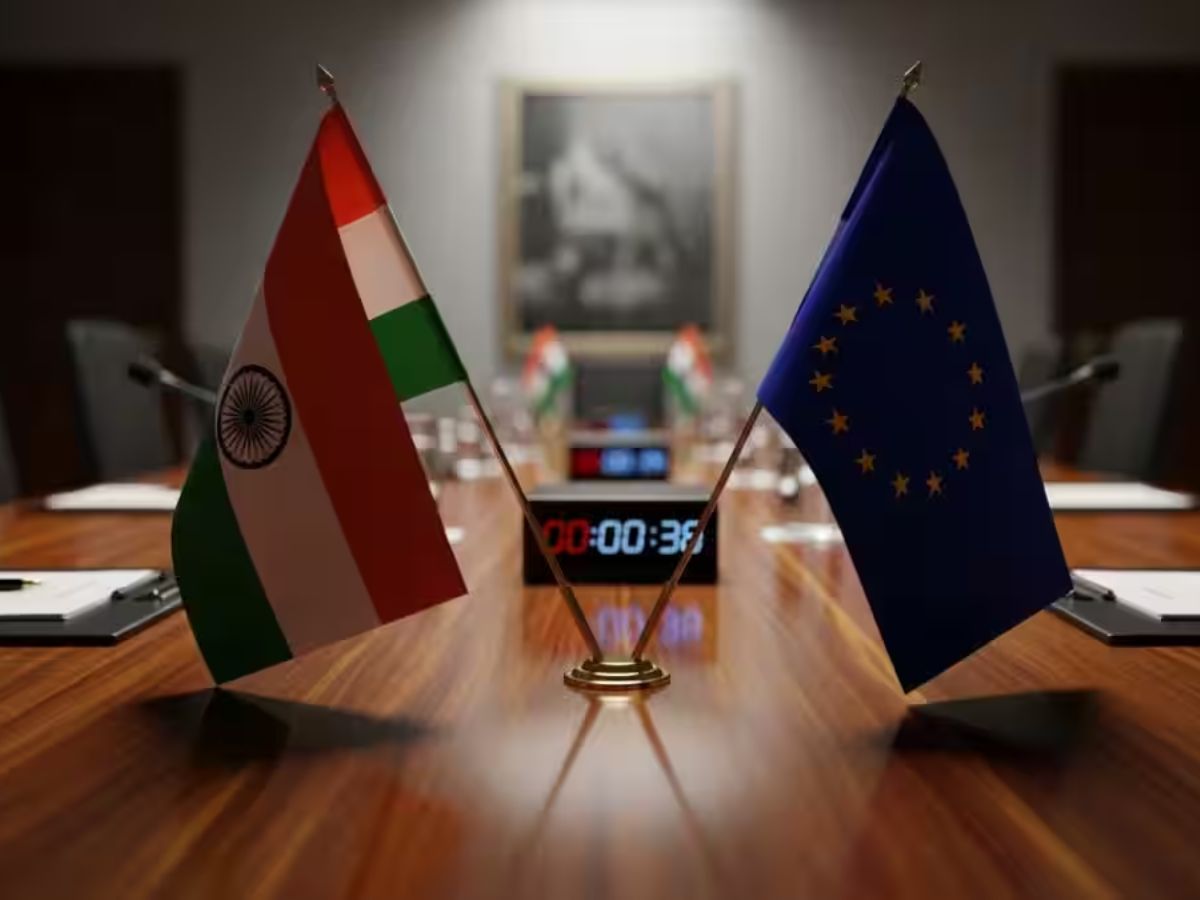
India is set for a pivotal week of high-level trade diplomacy, hosting back-to-back negotiations with two of its largest economic partners. A crucial two-day round of talks on the long-pending India-European Union Free Trade Agreement (FTA) begins Monday, December 8, followed immediately by discussions with the United States starting December 10.
What is Different About These EU Negotiations?
EU Ambassador to India Herve Delphin has framed the current talks as “EU-India FTA negotiation 2.0,” distinct from past efforts that stalled over a decade ago. He emphasized a “growing sense of shared necessity” and stated there is a “strong political commitment to conclude the FTA negotiations by the end of the year.” The approach has also changed, moving from formal rounds to a “continuous negotiating mode,” with a 40-member EU team arriving in Delhi for sustained discussions.
Why Are These Talks So Important Now?
The ambassador said that a deal would have a major worldwide impact, citing the two blocs’ combined economic might, which accounts for 25% of the world’s GDP and population. He also cited rising global trade tensions and “tariff wars” as increasing the urgency for a stable, rules-based framework. “This is an FTA when there is more than trade,” Delphin said, framing it as a tool for “de-risking” a fraught world economy and promising a “win-win” outcome based on the EU’s past trade pact record.
What About the Parallel US Trade Talks?
Running parallel to the EU engagement, India and the United States will also hold trade talks in New Delhi starting Wednesday, December 10. The Bilateral Trade Agreement (BTA) is the goal of these talks. Despite previous delays brought on by changes in US trade policy, Commerce Secretary Rajesh Agarwal recently voiced optimism, saying India is hopeful of signing the “first tranche” of this agreement during the current calendar year.
What Does This Dual Engagement Signal?
The packed schedule underscores India’s strategic positioning in global trade realignments. As they modify supply chains and partnerships, major economies are actively seeking to fortify their ties with India. These simultaneous discussions highlight New Delhi’s status as a significant economic player with whom both Western blocs are keen to develop closer trade relations.
With the potential to alter trade flows and economic cooperation for years to come, this week’s negotiations will test the political will and negotiating flexibility of all three powers.