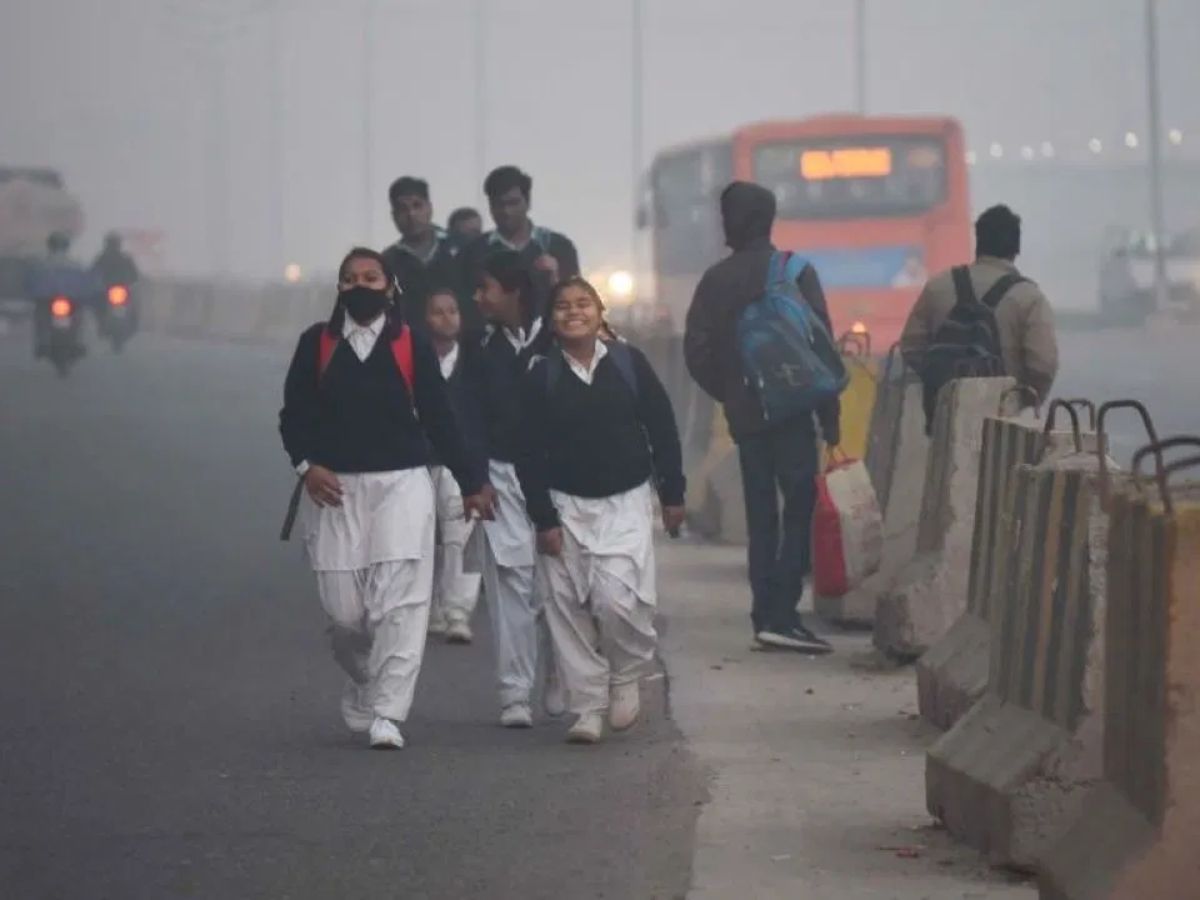
As the air quality in Delhi-NCR continues to worsen ahead of Diwali, the Commission for Air Quality Management (CAQM) has enforced Stage 1 of the Graded Response Action Plan (GRAP) from Tuesday ahead of Diwali. The step comes after Delhi’s Air Quality Index (AQI) touched 211, which falls under the “poor” category.
According to CAQM, GRAP-1 measures are implemented when the AQI crosses the limit of 200. Officials said the move aims to stop pollution levels from slipping further as winter and festival-related emissions worsen the situation.
What Is GRAP-1?
The Graded Response Action Plan (GRAP) is a four-stage emergency plan designed to control air pollution in the Delhi-NCR region. It was approved by the Supreme Court in 2017 and is implemented by the CAQM.
GRAP-1 represents the first stage of the plan and comes into effect when the AQI level goes above 200. It focuses on preventing further deterioration of air quality by targeting pollution sources such as vehicles, construction, and industries.
When Was GRAP-1 Imposed?
The Commission for Air Quality Management (CAQM) announced the implementation of Stage 1 GRAP on Tuesday, after Delhi’s AQI reached 211. This was the first major pollution control step taken this season, coming just weeks before Diwali.
The order stated, “Actions under Stage-I of the extant GRAP shall be implemented, monitored and reviewed by all the agencies concerned in the entire NCR to ensure that the AQI levels do not slip further. All implementing agencies shall keep strict vigil and intensify measures of the extant GRAP schedule. Citizens may be requested to strictly adhere to the citizen charter under GRAP Stage-I.”
What Is Not Allowed Under GRAP-1?
Several restrictions have been announced under Stage 1 of GRAP, focusing on cutting emissions from dust, traffic, and burning activities.
Here are the main rules in place:
- Dust Control: All construction and demolition sites must have proper dust management. Sites over 500 sq. meters need official approval for dust control.
- Ban on Open Burning: Burning of garbage, leaves, or any waste in the open is strictly banned.
- Fuel Restrictions: Roadside eateries and restaurants cannot use coal or firewood. Only clean fuels like electricity or LPG are allowed.
- Diesel Generators: The use of diesel generators is banned except for essential or emergency services.
Vehicle Pollution Control:
- Old diesel vehicles over 10 years and petrol vehicles over 15 years remain banned in Delhi.
- Polluting vehicles can be fined or impounded.
- Drivers are advised to switch off engines at red lights to reduce emissions.
- Industrial Pollution: Polluting industries and thermal power plants within 300 km of Delhi will face strict action.
- Citizen Action: People can report pollution through the Green Delhi App, SAMEER App, or by calling 311.
What Happens Next?
CAQM has said it will monitor the air quality closely and may impose higher stages of GRAP if pollution levels rise further. The next stages — GRAP-2, GRAP-3, and GRAP-4 — bring in tougher restrictions, including bans on construction, entry of heavy vehicles, and closure of schools in extreme cases.
The move to implement GRAP-1 ahead of Diwali is seen as a preventive step to avoid the toxic smog that chokes Delhi every winter.