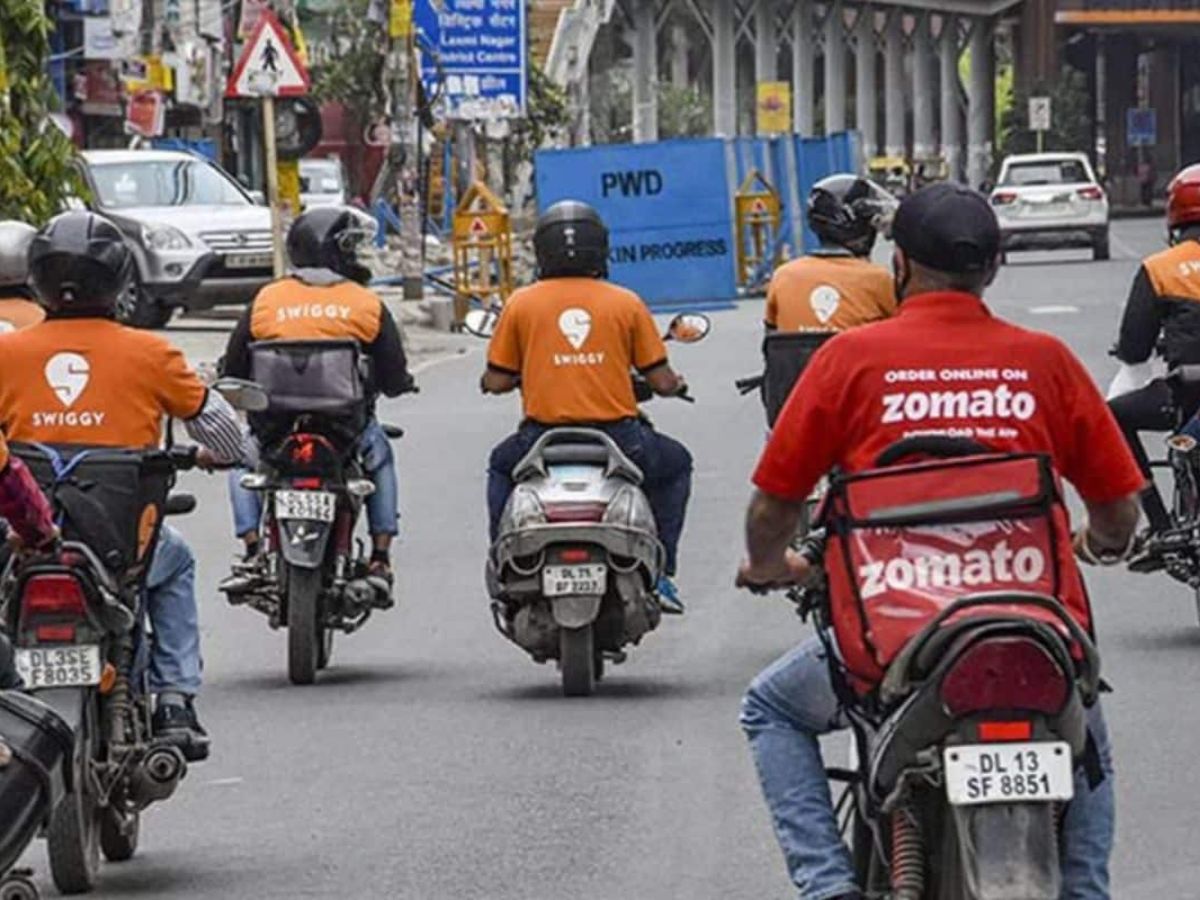
A major strike by gig workers across India has put food delivery, quick commerce, and ride-hailing platforms under pressure. Thousands of workers tied to companies such as Swiggy, Zomato, Blinkit, Amazon and Flipkart walked out on December 25 and plan another protest on December 31, two of the busiest days of the year for app-based services. The action shows how workers can disrupt business when platforms treat them as expendable contractors.
Gig workers say they are the backbone of India’s booming e-commerce and delivery economy. Yet many lack basic labour protections, stable pay, job security and safety measures. The strikes signal rising frustration as workers demand change.
Why Are Gig Workers Striking?
Unions representing delivery and platform workers, including the Telangana Gig and Platform Workers Union (TGPWU) and the Indian Federation of App-Based Transport Workers (IFAT), called for nationwide protest rallies and flash strikes. Workers are seeking:
- Fair and transparent wages instead of unpredictable payouts.
- Better safety gear and protection, especially for high-risk deliveries.
- An end to arbitrary account and ID blocking without appeal.
- Rest breaks and reasonable work hours.
- Social security benefits, including health insurance, accident cover and pension benefits.
- Withdrawal of ultra-fast delivery models like “10-minute delivery,” which they say push them into unsafe driving conditions.
- Unions argue delivery workers endure long hours and falling incomes while platforms chase growth and high order volumes.
Impact of Strikes on Services
The strike already affected deliveries in several cities on Christmas Day. In some areas, residents reported significant delays in food and grocery deliveries. Authorities in Gurugram noted slow or stalled orders as riders stepped away from the apps.
Companies have responded by using third-party operators and offering short-term incentives to keep services running. But unions warn that repeated strikes — including a planned December 31 action could further disrupt services during peak demand.
Growing Unrest in the Gig Economy
The protests in December follow similar strikes earlier this year in cities like Mumbai, Pune, Nagpur and Jaipur, where drivers protested low rates and unfair conditions. While these actions were local, the current nationwide strike suggests a broader trend of unionising gig workers demanding long-term change.
Many drivers and delivery workers say falling per-order pay and unpredictable algorithmic decisions by platforms make their earnings unstable. They are pressing for minimum wage protections and clearer pay structures, which remain absent in current gig work models.
Labour Laws and Worker Rights
India’s labour system recently included gig workers under the Code on Social Security, 2020, which makes provisions for insurance, pension, and benefits. But full implementation is slow, and platforms have yet to adopt all requirements in practice. Critics say the law does not classify gig workers as true employees, leaving them without core benefits such as paid leave, provident fund or minimum wage guarantees.
State laws in places like Maharashtra, Rajasthan and Karnataka have moved to improve welfare boards and grievance mechanisms, but many unions say progress is too slow to meet urgent worker needs.
The Power Shift in the Gig Economy
Once dismissed as easily replaced contractors, gig workers have shown their capacity to disrupt operations at peak demand times. Analysts say repeated strike actions on Christmas Day and New Year’s Eve demonstrate the rising collective bargaining power of workers. Strikes highlight a wider shift in India’s labour landscape as digital platform workers assert their rights.
Platforms that rely on gig labour may now face a turning point: adapt with better pay and protections — or risk frequent disruptions that could hurt customers and revenues alike.