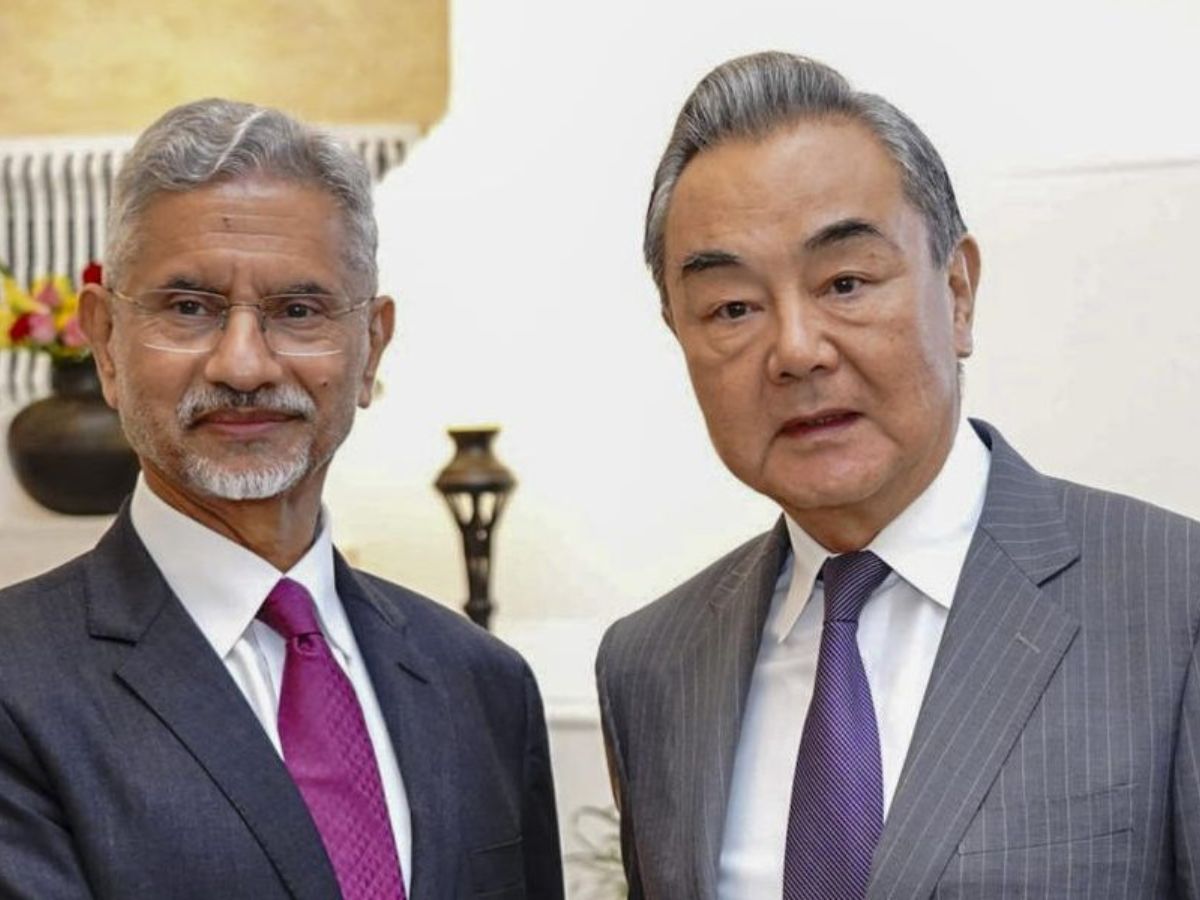
China has lifted export restrictions on fertilisers, rare earth magnets, and tunnel boring machines after strong demands from India. The breakthrough came during talks between External Affairs Minister S. Jaishankar and Chinese Foreign Minister Wang Yi last month. Wang Yi, now on a three-day visit to India, assured Jaishankar on Monday that Beijing had already begun acting on the requests.
Reports suggest shipments of the restricted items have already started. The move shows a rare moment of cooperation between the two Asian powers, even though political and border tensions continue.
Why the Curbs Mattered?
The restrictions caused immediate trouble in India. Farmers faced shortages and rising costs, which put pressure on agriculture. At the same time, delays in shipments of tunnel boring machines slowed down major infrastructure projects.
ALSO READ: Jaishankar Meets China’s Wang Yi, Calls for Candid Approach to Move Relations Forward
Some of these projects included foreign companies that depend on equipment made in China. The sudden export ban created uncertainty in both farming and construction.
India’s Diplomatic Push
India acted fast to handle the problem. Jaishankar raised the issue directly with Wang Yi, stressing that fertilisers, rare earths, and tunnel machines were essential for India’s economy.
Sources said Beijing agreed to move after India explained the impact on farmers and key projects. Wang Yi’s current visit has therefore gained importance, not only for diplomacy but also for the real relief it brings to the economy.
Economic Impact of the Ban
The export ban had wider economic effects. Reduced production may have affected food security and infrastructure delays, which increased expenses and slowed India’s economic expansion.
ALSO READ: Wang Yi in Delhi: India-China Talks Begin — Will Differences Spark Disputes?
Since rare earth magnets and minerals are essential to India’s economic goals, they are utilized in electronics and renewable energy, and China’s immediate pressure has decreased.
Strategic Dependence Question
While the lifting of the ban is good news, the issue points to a bigger concern—strategic dependence. China’s sudden curbs showed how quickly supply chains can be turned into tools of pressure.
India must now look at diversifying imports and investing more in domestic production of fertilisers, machinery, and rare earths. The problem is not only economic but also about national security. Depending too much on an uncertain neighbour makes India vulnerable to future shocks.
Relief Today, Risks Tomorrow
For now, India has won an important concession through diplomacy. Farmers will get fertilisers, and delayed projects will restart. However, this is the time for policymakers to improve supply methods.
ALSO READ: Why India, Not China? Marco Rubio Justifies the US Sanctions Divide
Future dangers will be reduced by developing local capacity and locating new international partners. Wang Yi’s visit may have solved an immediate problem, but the bigger test for India lies in how it reduces such vulnerabilities in the years ahead.