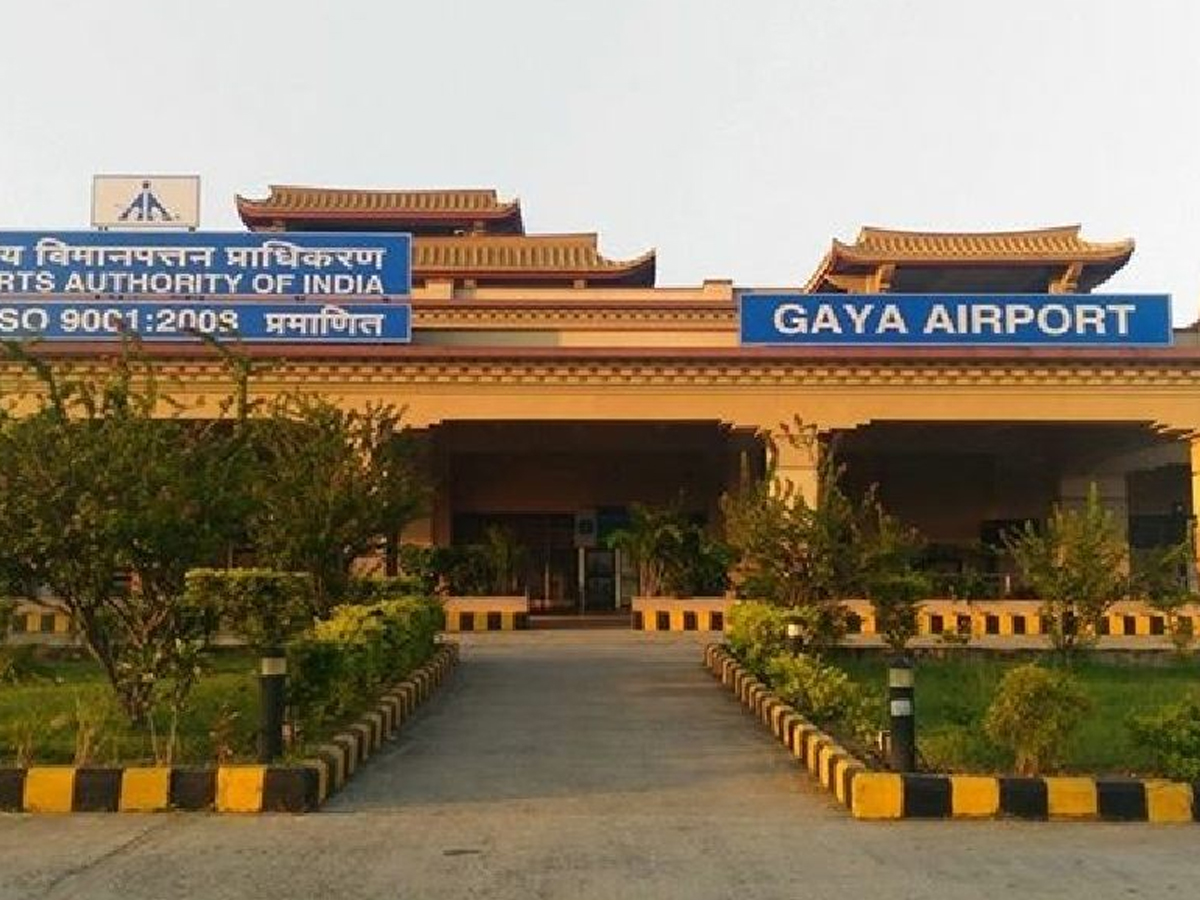
A new disagreement erupted in Parliament after BJP Rajya Sabha MP Bhim Singh objected to the three-letter IATA code “GAY” for Gaya International Airport, claiming it was “socially and culturally offensive.” Despite overwhelming disagreement, he wrote a question asking why the word is still used and whether the administration would consider beginning the process of changing it to something more “culturally fit.” LGBTQ activists, psychologists, and supporters swiftly criticized the action, claiming that Singh’s comments exposed deeper societal bias and strengthened long-standing stereotypes about the queer community.
Ministry Clarifies Code Assignment Process
Responding to Singh’s question, Minister of State for Civil Aviation Murlidhar Mohol explained that the three-letter codes are designated by the International Air Transport Association (IATA) and are typically derived from the name of the city or location of the airport.
ALSO READ: All Airports on Maximum Alert After Terror Threat Warning
“Air India had earlier approached IATA seeking a change of the existing airport code,” Mohol stated. “However, IATA has conveyed that under the provisions of Resolution 763, assigned three-letter codes are considered permanent and are altered only under exceptional circumstances, usually involving air safety concerns.”
Mohol did not provide specifics on when Air India made the request or whether other entities had done so as well.
Activists Call MP’s Remarks Deeply Harmful
The query from Bhim Singh triggered sharp responses from the LGBTQ community, who labelled the objection to the term “GAY” as ignorant, harmful, and exclusionary.
Arvind Narrain, a legal expert and LGBTQ activist, referred to the 2018 Supreme Court verdict that decriminalised same-sex relationships and upheld the dignity of LGBTQI individuals.
“The member’s description of us as immoral strips the community of dignity,” Narrain said. “They need to educate themselves that, as per the Supreme Court, what governs is not personal morality but constitutional morality. He should apologise to the community.”
Rajesh Srinivas, another LGBTQ activist, said the discomfort lies not in the code but in societal bias.
“The airport code does not require a change, as there is nothing culturally inappropriate about it. The discomfort with the term stems from deeply ingrained prejudice.”
Mental Health Experts Urge Cultural Sensitivity and Inclusion
Several mental health professionals joined the chorus against the proposal, warning that framing “GAY” as offensive contributes to further marginalisation of the queer population.
Shanmathi Senthil Kumar, a psychologist and diversity advocate, said, “That the term ‘GAY’ is being labelled as offensive, culturally inappropriate, or even unsafe reflects how deeply rooted the stigma against LGBTQIA+ people still is. Such framing reinforces harmful stereotypes and makes society even more difficult and exclusionary for queer individuals.”
Vidya Dinakaran, a psychotherapist, offered a nuanced take, suggesting the need for public dialogue rather than avoidance: “If a word is considered offensive, simply avoiding it doesn’t help. One way forward is to confront and address it, rather than shy away from it. The question raised is also aiming in that direction—if someone like an MP can endorse inclusion rather than avoid the issue, it becomes all the more meaningful.”
Larger Debate on Cultural Sensitivity vs. Prejudice
As calls to retain the “GAY” code grow louder, the controversy has turned into a larger debate on constitutional morality, inclusiveness, and the urgency to normalise queer identity in public discourse.
The backlash against Singh’s remarks underscores the progress made—and the road still ahead—in battling stigma within India’s evolving sociopolitical landscape.