India has taken a major step to expand competition in its aviation sector. The Civil Aviation Ministry has granted no objection certificates (NOCs) to Al Hind Air and FlyExpress. These two new carriers are now cleared to prepare for operations in the fast-growing domestic market.
Civil Aviation Minister K Rammohan Naidu announced the approvals on social media. He said the decision reflects the government’s continued goal to widen airline choices in India, especially after recent industry shocks.
Breaking the IndiGo & Air India Duopoly
The Indian aviation market has been dominated by IndiGo and the Air India Group, together controlling over 90% of domestic flights.
IndiGo alone holds more than 65% market share, a situation industry watchers call a duopoly. This high concentration raised concerns when IndiGo faced massive flight cancellations earlier this month.
The recent approvals come directly after that disruption, which highlighted how vulnerable India’s airline system can be when too much power lies with one or two carriers.
Who Are the New Airlines?
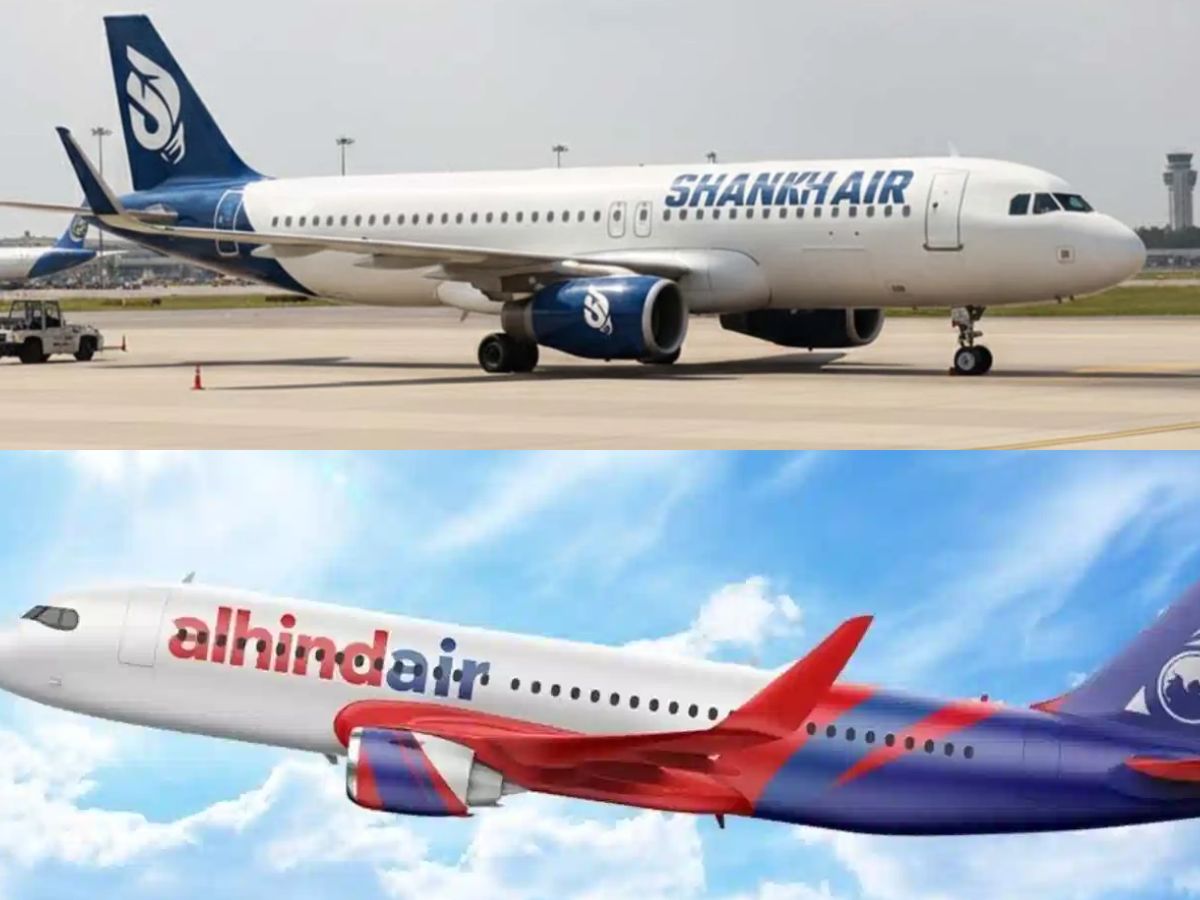
Al Hind Air is backed by the Kerala-based Alhind Group. It plans to build its operations as a regional and domestic carrier. FlyExpress is another new entrant backed by private investors and looks to serve an underserved part of the market.
Both airlines still need additional approvals before they can start flying commercially. The next step is to secure an Air Operator Certificate (AOC) from the Directorate General of Civil Aviation (DGCA).
Focus on Regional Connectivity and Competition
This move fits into a larger push to boost competition and widen air connectivity in India. The government has supported several small carriers in recent years, especially under the UDAN scheme. Under UDAN, airlines such as Star Air, IndiaOne Air and Fly91 have improved links to smaller cities and towns.
Officials believe more airlines could offer tourists and regular flyers better choices. They say competition could help lower fares and reduce the pressures seen during crisis events.
Shankh Air and Other New Players
Alongside Al Hind and FlyExpress, Shankh Air, a carrier based in Uttar Pradesh, has already received its NOC and aims to begin operations in 2026. This trio of new players may change the way Indians travel by air, especially on domestic routes.
State of the Domestic Aviation Market
Despite the approvals, the domestic airline sector remains risky. Several past carriers, including Jet Airways and Go First, shut down due to financial and operational woes. Currently, only nine scheduled domestic airlines are flying in India. This includes Akasa Air, SpiceJet, Alliance Air, Air India Express and others.
However, the latest approvals signal renewed confidence that more airlines can take off and survive in India’s growing aviation space.
Response to Systemic Airline Stress
Industry experts say the timing of these approvals suggests the government is not just aiming for competition. It is responding to systemic stress in the airline network that was exposed when IndiGo flights collapsed earlier this month.
With new airlines in the pipeline, India hopes to build a more resilient and balanced aviation ecosystem where disruptions at one carrier do not ripple across the entire network. This approach may also expand regional access and pricing flexibility, a key step in making air travel affordable and dependable for all Indians.