Bageshwar, a scenic town in Uttarakhand, is facing a serious threat from unregulated mining. A government-appointed expert panel has warned that the region may soon face a crisis similar to the devastating land subsidence that hit Jyotirmath (formerly Joshimath) in 2023—unless urgent corrective steps are taken.
The committee, made up of experts from the Geological Survey of India, Uttarakhand Landslide Mitigation and Management Centre, Department of Geology and Mining, and the Indian Institute of Remote Sensing, submitted its report to the National Green Tribunal (NGT) on July 30.
What the Panel Found
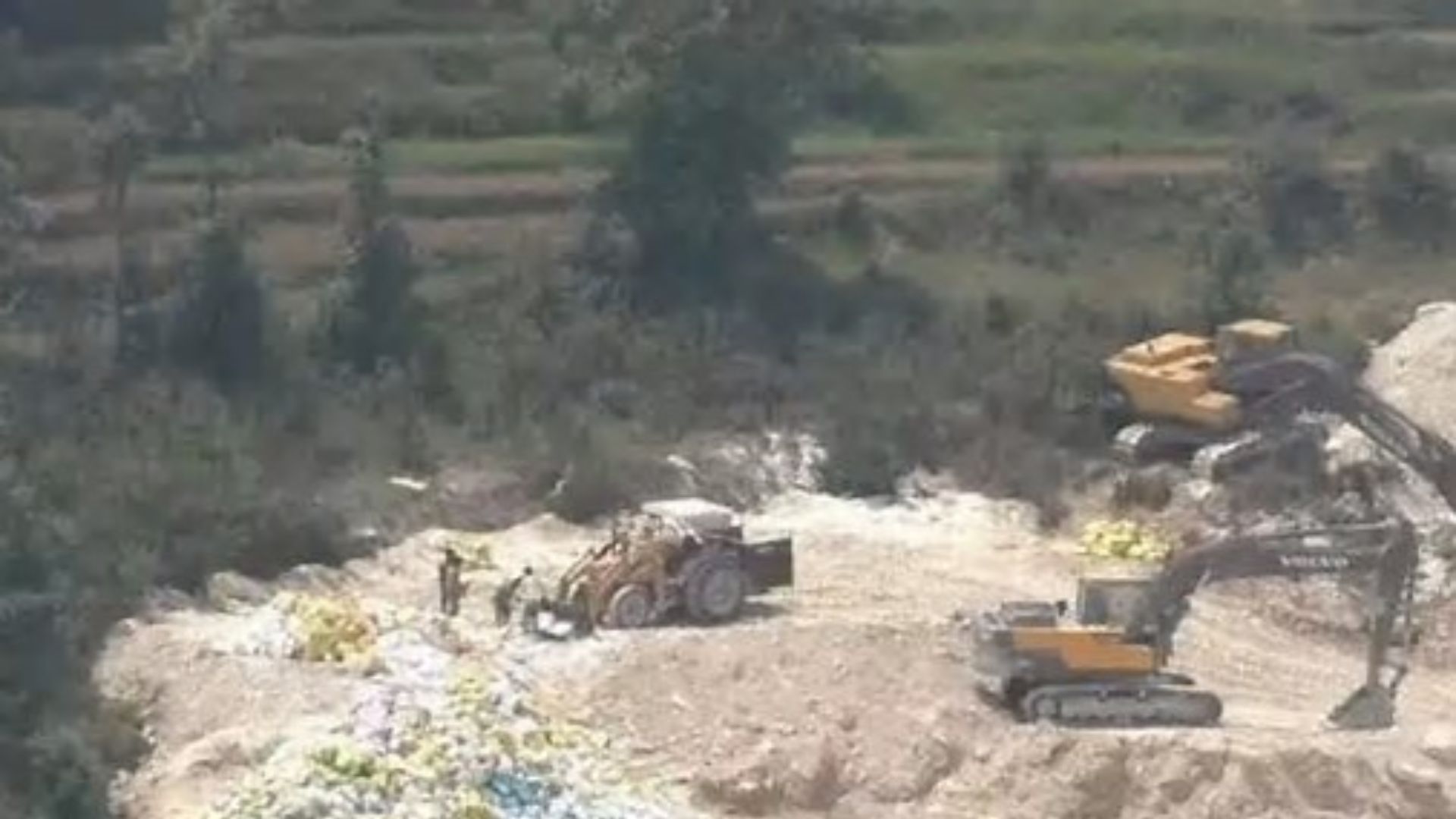
After surveying 61 soapstone mines across Bageshwar, Kanda, and Dugnakuri tehsils, the team raised red flags about dangerous mining practices in the region.
They reported:
-
Unsafe vertical cutting of slopes without safety benches
-
Dumping of mining waste directly into natural drainage systems
-
Encroachment near houses, agricultural fields, and natural springs
These actions, according to the committee, are destabilizing slopes, reducing water sources, and causing ground sinking, much like what happened in Joshimath last year.
The committee warned, “A Jyotirmath-type crisis is in the making if the current practices continue.”
They also noted that the lack of proper slope mapping and poor documentation of water resources makes it extremely difficult to regulate or prevent damage effectively.
High-Risk Zone for Disasters
Bageshwar falls in seismic zone V—the most dangerous category for earthquake risk in India. The region’s fragile terrain is already prone to landslides and rockfalls, which are worsened by reckless mining.
According to the report, the Kanda-Kanyal valley, which houses many mines, is already showing signs of disaster. The valley has experienced:
-
Repeated landslides
-
Cracks in buildings
-
Falling crop yields
-
Drying or degraded water springs
The panel found that some mines are operating alarmingly close to homes and farmland, breaking environmental rules and increasing the risk of slope collapse, especially during the monsoon.
Satellite Data Confirms Ground Movement
Satellite images have confirmed that the land around many mining sites has already started shifting. These deformations match early signs of what was seen in Joshimath, where poor drainage and unsafe construction caused land to sink rapidly.
Joshimath: A Grim Reminder
In January 2023, Joshimath in Chamoli district witnessed a sudden land subsidence. Over 800 houses developed cracks overnight, forcing residents to flee. The ground is still unstable. Between December 2022 and December 2024, some areas have sunk by over 30 cm, experts found.
The expert committee’s report is a clear alarm bell. It emphasizes that if mining continues without scientific planning and environmental checks, Bageshwar could face a similar disaster. The need for immediate regulation, mapping, and sustainable mining practices is urgent to protect both people and nature.