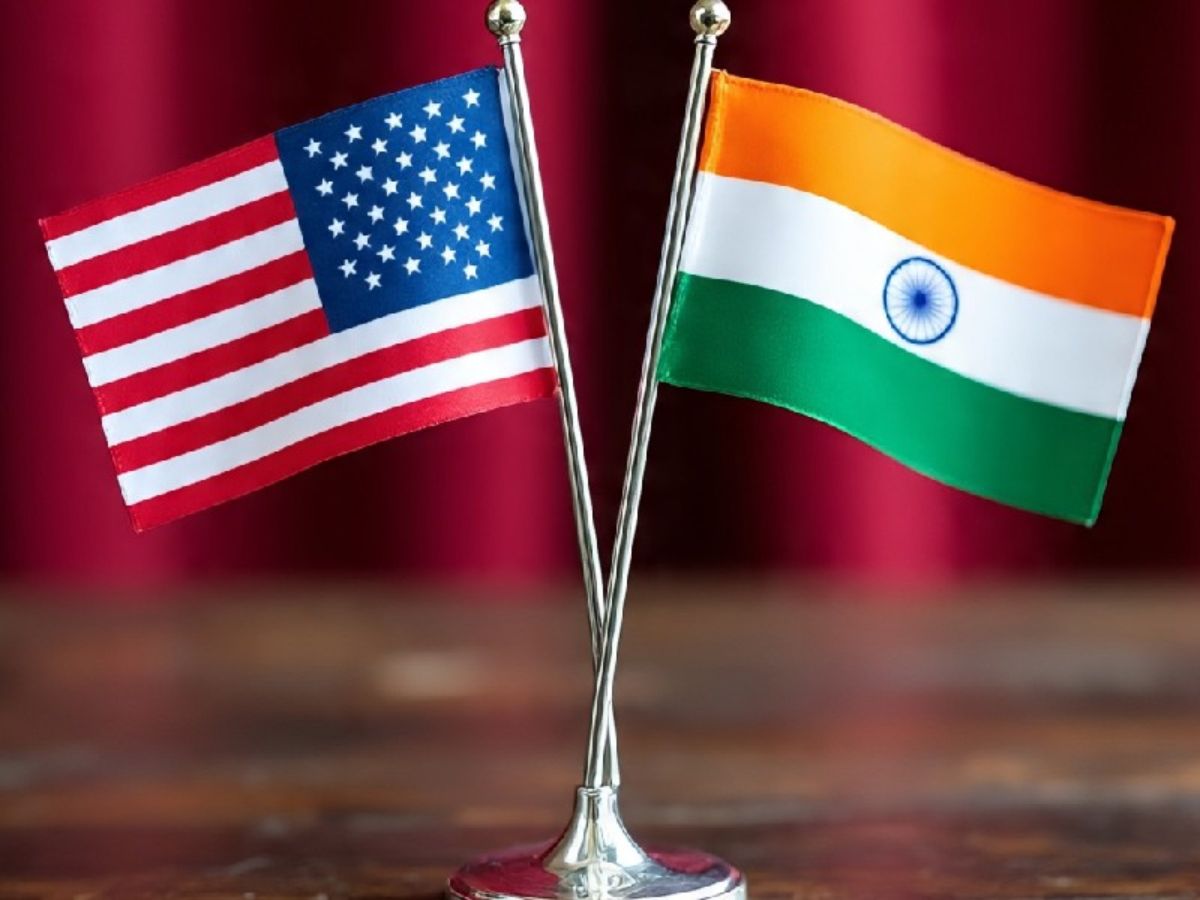
A high-level US delegation is set to visit New Delhi next week to negotiate the sale of six additional P-8I Poseidon maritime patrol aircraft to the Indian Navy, a deal estimated to be worth around $4 billion. The visit signals a concerted effort by both nations to steady a bilateral relationship recently strained by a trade row and US criticism of India’s defence purchases from Russia.
Why is This US Delegation Visiting India Now?
The delegation, comprising senior officials from the US Department of Defense and aerospace giant Boeing, will visit from September 16 to 19. This trip comes at a delicate time in US-India relations.
US President Donald Trump’s decision to impose punitive tariffs on Indian goods over its purchases of Russian oil has created tensions “not witnessed in almost two decades.” Senior Trump administration officials have also repeatedly criticized India for its continued procurement of Russian military hardware.
However, recent positive exchanges between Prime Minister Narendra Modi and President Trump on social media, pointing to the early conclusion of trade negotiations, suggest both sides are working to repair the relationship. This defence deal is a key pillar of that effort.
What is the Significance of the P-8I Aircraft?
The P-8I Poseidon is a state-of-the-art maritime patrol aircraft manufactured by Boeing. The Indian Navy already operates a fleet of 12 P-8I planes, which have become a cornerstone of its maritime surveillance and anti-submarine warfare capabilities.
The aircraft have proven their strategic value:
- They were used for intelligence, surveillance, and reconnaissance (ISR) during the Doklam and Ladakh standoffs with China.
- They have enhanced interoperability with fellow Quad member Australia, which also operates the P-8, through joint exercises and patrols.
- The navy’s existing familiarity with the platform makes it, as one source said, “a good fit” for India’s needs.
Who is in the Delegation and What Will They Discuss?
The American team is a high-powered group, indicating the seriousness of the negotiations. It includes officials from:
- The office of the undersecretary of defence for policy.
- The Navy International Programs Office (NIPO), which focuses on exports supporting US strategic interests.
- The Maritime Patrol and Reconnaissance Aircraft Program Office (PMA-290), which manages aircraft acquisition.
- The Defense Security Cooperation Agency (DSCA).
Their goal is to hold detailed discussions on the current offer for the six aircraft and to hammer out the final cost and terms of the deal.
How Does This Fit into the Broader US-India Defence Relationship?
Despite the recent trade dispute, institutional defence contacts have continued uninterrupted. Meetings held under the Defence Policy Group and the 2+2 ministerial mechanisms fall under this category.
The US has become a key supplier of sophisticated defence equipment to India over the past two decades, with contracts worth at least $24 billion since 2008. In 2016, the US labeled India a “Major Defence Partner,” paving the way for the two countries to sign crucial defense agreements like LEMOA, COMCASA, and ISA.
This P-8I deal was specifically mentioned in a joint statement during PM Modi’s visit to Washington in February, highlighting its importance to both nations’ strategic interests in the Indo-Pacific region.
While Russia remains India’s largest defence supplier, this negotiation underscores India’s strategy of diversifying its sources and deepening ties with the US, focusing on long-term convergence in defence and security despite short-term trade disagreements.