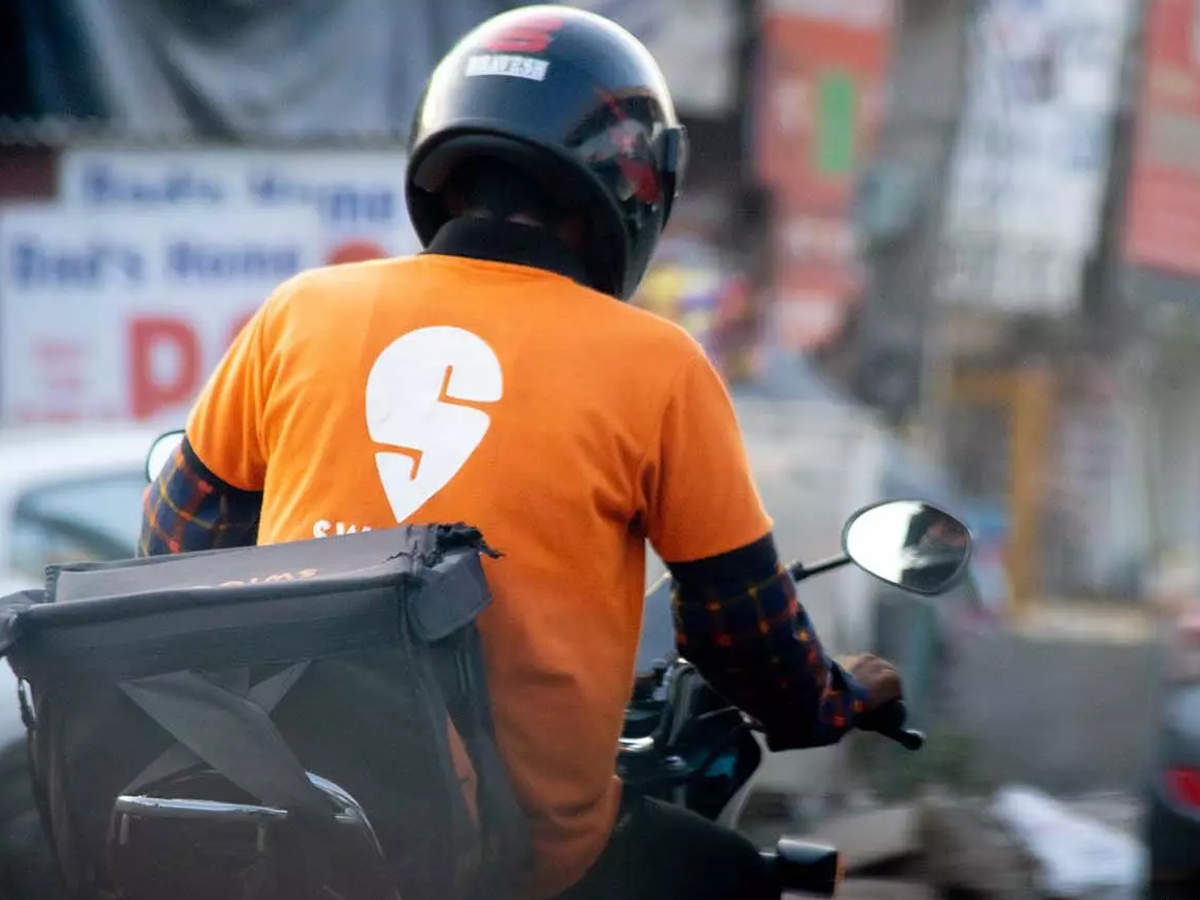
The Union government has proposed a major change that could affect millions of gig and platform workers across India. Under new draft rules issued by the labour ministry, gig workers will need to complete a minimum number of workdays in a financial year to qualify for social security benefits.
The move comes at a sensitive time, just a day before gig workers staged a nationwide strike on New Year’s Eve, demanding better pay and safer working conditions. The draft rules are now open for public feedback and aim to bring clarity on who qualifies for benefits and how workdays will be counted.
What Are the New Social Security Rules for Gig Workers?
According to the draft notification dated December 30, 2025, gig and platform workers must meet minimum engagement thresholds to access social security schemes introduced by the Centre.
A worker must complete at least 90 days of engagement with a single aggregator in a financial year. Those working across multiple aggregators must complete 120 days of total engagement in the same period.
The government states that this framework will help identify active workers and ensure that benefits reach those who depend on gig work for their livelihood.
How Is a ‘Working Day’ Defined Under the Draft Rules?
The draft rules clearly define what counts as a day of work.
A gig worker or platform worker will be considered engaged with an aggregator for one day if they earn any income, regardless of the amount, for work done for that aggregator on that calendar day.
This means even a small earning on a single day will qualify as one engagement day. The amount earned does not matter.
Working for Multiple Platforms? Here’s How Days Are Counted
Many gig workers operate on more than one platform. The draft rules address this reality. If a worker works for multiple aggregators, the total number of engagement days will be counted cumulatively across all aggregators.
If a gig worker or a platform worker is engaged with three aggregators on the same calendar day, it will be counted as three days of engagement. This system benefits workers who juggle several apps to increase income and reflects the flexible nature of gig work.
Who Is Covered Under the Draft Rules?
The eligibility definition is broad.
The rules clarify that an eligible gig or platform worker includes those engaged by an aggregator directly or through an associate company, holding company, subsidiary company, limited liability partnership, or through a third party.
This ensures that workers hired through complex corporate structures do not lose access to benefits.
Why the Timing of the Draft Rules Matters
The draft rules were released just one day before the gig, and platform workers held protests across the country on New Year’s Eve. Workers demanded higher payouts, fair incentives, and improved safety standards.
The timing has drawn attention to the growing tension between workers and platforms. While the proposed rules focus on eligibility, worker groups say income security and working conditions remain urgent concerns.
What Social Security Benefits Are at Stake?
The Social Security Code aims to provide benefits such as health insurance, accident cover, and life insurance for gig and platform workers. These workers often lack formal job protections and a steady income.
The draft rules focus on who qualifies. Separate schemes will determine how benefits are delivered and funded.
The labour ministry has invited public comments on the draft rules. Feedback from workers, unions, and platforms could shape the final framework. Once finalised, the rules could mark a turning point in how India protects its growing gig workforce.