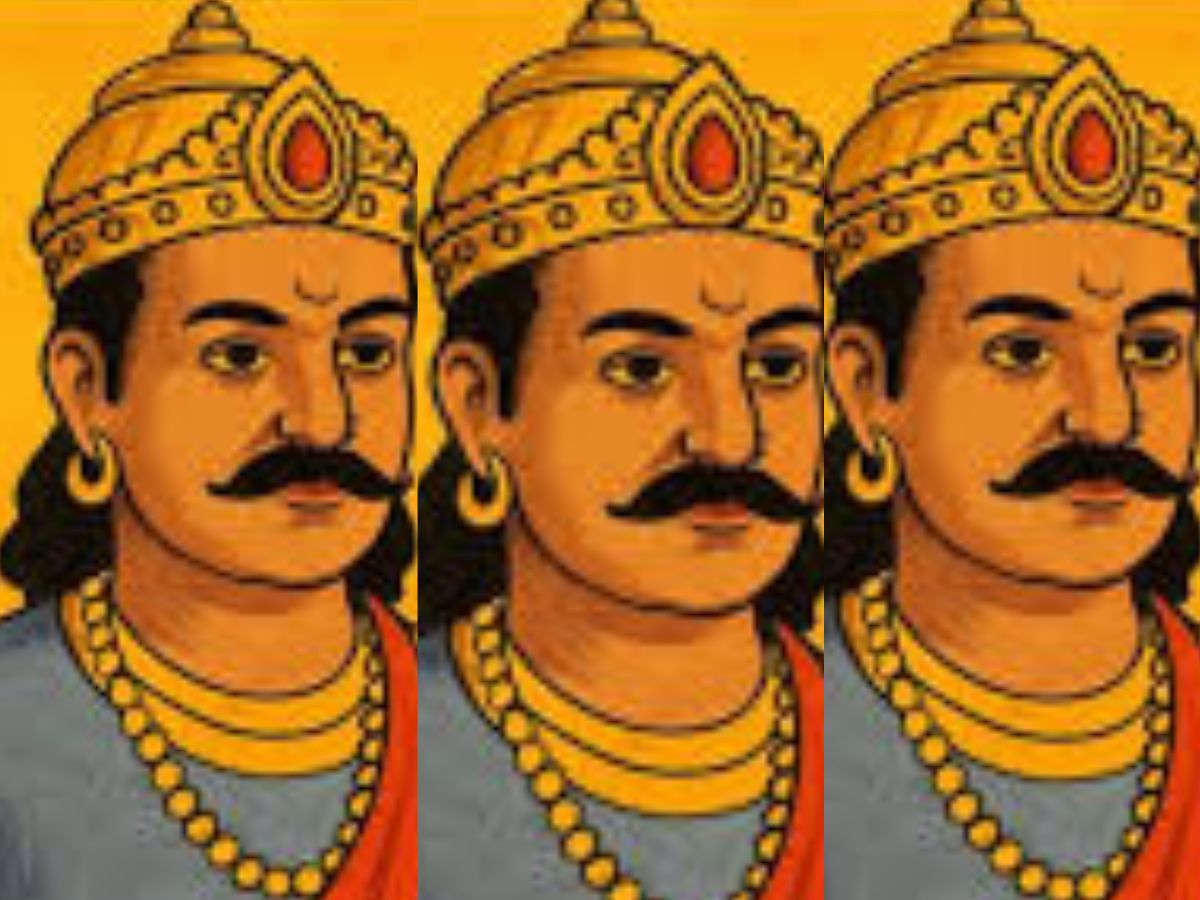
Udayin, also known as Udayabhadra, was a prominent yet often overlooked ruler of ancient Magadha, ascending the throne after his father, King Ajatashatru. He reigned around 460–444 BCE and played a significant role in consolidating the Haryanka dynasty’s power. According to Buddhist and Jain texts, he was Ajatashatru’s favored son and a contemporary of Gautama Buddha during his youth.
Early Life and Ascension to the Throne
Born to Ajatashatru and Queen Vajira, Udayin grew up during a period of political and spiritual development in Magadha. Buddhist accounts suggest he was alive during the reign of his grandfather, Bimbisara, and witnessed his father’s interactions with Gautama Buddha. After Ajatashatru’s death, Udayin ascended the throne, continuing the Haryanka lineage.
Also Read: Who Was Ajatashatru? Ancient India’s Ambitious Warrior King
Establishment of Pataliputra
One of Udayin’s most enduring achievements was the founding of Pataliputra at the confluence of the Son and Ganges rivers. The site, previously fortified by Ajatashatru to defend against potential invasions from Avanti, was strategically located at the center of the expanding Magadha kingdom. Udayin shifted the capital from Rajagriha to this central location, laying the groundwork for a city that would later become the political and administrative hub of the Maurya Empire under Chandragupta Maurya.
Military Campaigns and Assassination
Udayin continued the expansionist and defensive policies of his father, engaging in repeated campaigns against the neighboring kingdom of Avanti. Despite his victories, he was eventually assassinated by an agent from Avanti around 444 BCE. Historical accounts differ on the succession; while the Puranas mention Nandivardhana as his successor, Buddhist chronicles indicate that Anuruddha inherited the throne. Jain texts note that he was killed by an assassin of a rival kingdom and, being childless, the ministers selected Nanda as the next ruler.
Succession and Dynastic Challenges
Following Udayin’s death, the Haryanka dynasty faced increasing instability. Frequent successions and internal conflicts weakened the kingdom, leading to a gradual decline of the dynasty. Nevertheless, the foundations laid by Udayin, particularly in urban planning and capital relocation, had lasting implications for Magadha’s prominence in ancient India.
Although Udayin’s reign was relatively brief and fraught with conflict, his decision to establish Pataliputra as the capital transformed the region’s political and economic landscape. The city evolved into a central hub for administration, trade, and governance, cementing Udayin’s place in history as a visionary ruler whose contributions significantly influenced the future trajectory of Indian civilization.
Timeline of Udayin (c. 460–444 BCE)
-
c. 480–460 BCE – Born to King Ajatashatru and Queen Vajira; grew up during the reign of his grandfather, Bimbisara.
-
c. 460 BCE – Ascends the throne of Magadha after the death of his father, Ajatashatru, becoming the third ruler of the Haryanka dynasty.
-
c. 460–455 BCE – Initiates military campaigns against the neighboring kingdom of Avanti, securing several victories.
-
c. 460–444 BCE – Founds the city of Pataliputra at the confluence of the Son and Ganges rivers; shifts the capital from Rajagriha to Pataliputra for strategic and administrative purposes.
-
c. 444 BCE – Assassinated by an agent from Avanti, ending his reign.
-
Posthumous – Succession controversies arise; Puranas mention Nandivardhana as successor, while Buddhist chronicles cite Anuruddha; ministers later select Nanda due to Udayin being childless.
-
Legacy – Pataliputra becomes a central hub for administration and later emerges as the capital of the Maurya Empire under Chandragupta Maurya, cementing Udayin’s long-term impact on ancient Indian politics.
Read More : Who Was Udayabhadda? The Unsung Ruler of the Haryanka Dynasty