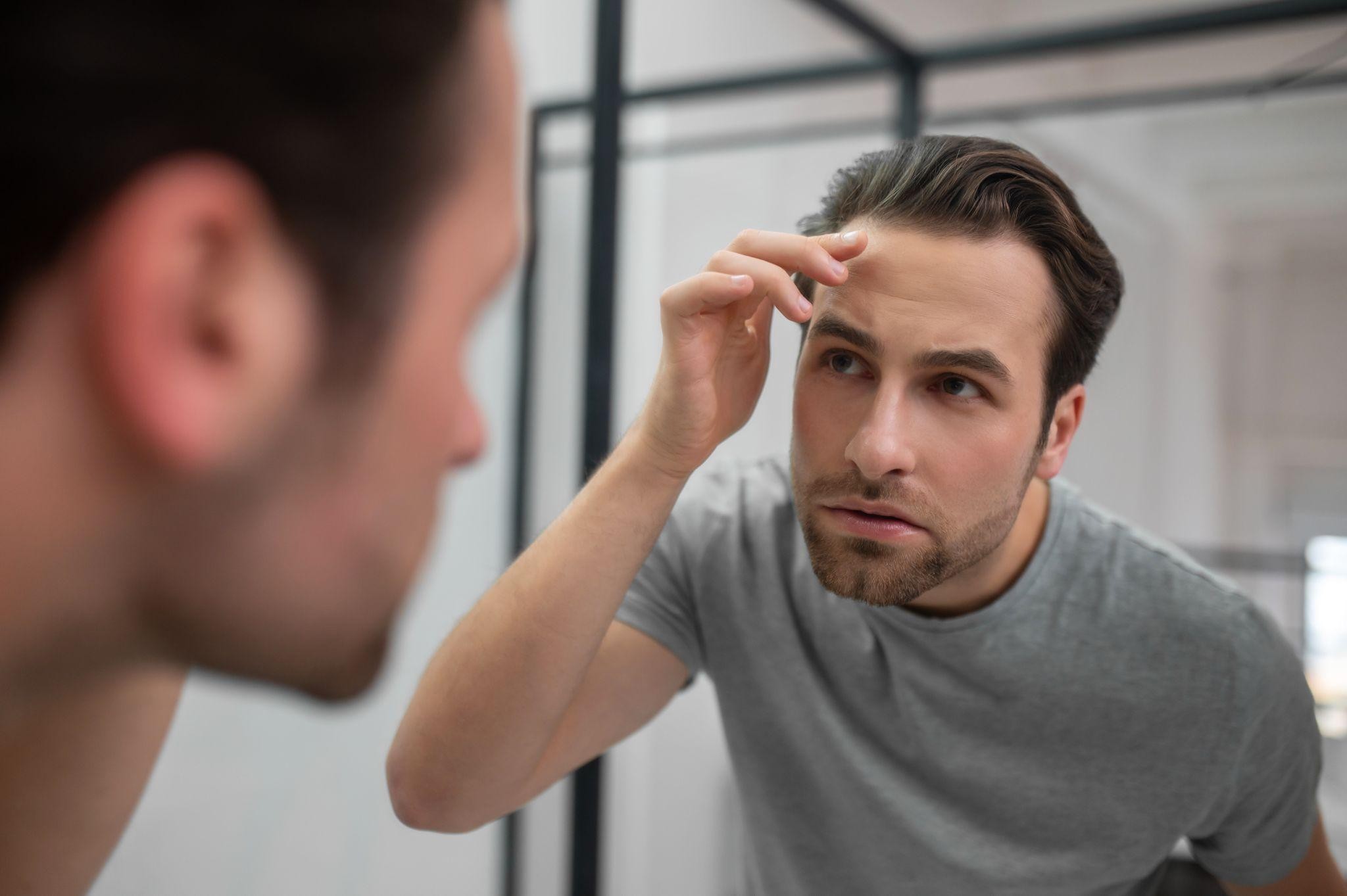
Hair loss is one of those things people often assume works the same way for everyone. You lose hair, you treat it. But anyone who has tried a product designed for the opposite sex -or followed advice meant for someone with a completely different hormonal profile -knows it rarely works out that way. The truth is, hair loss in men and women is driven by different biology, different timelines, and often different emotional weight. Treating it the same way is like using the same prescription for two different diagnoses.
The Biology Is Not the Same
Men and women both have androgens -the hormones most commonly linked to hair loss -but in very different amounts. In men, dihydrotestosterone (DHT) is the primary driver of androgenetic alopecia, commonly known as male pattern baldness. DHT shrinks hair follicles over time, causing them to produce thinner, shorter strands until they eventually stop producing hair altogether.
In women, the hormonal picture is more complicated. Estrogen plays a protective role for hair, which is why many women notice increased shedding after pregnancy, during perimenopause, or when switching birth control methods. When estrogen levels drop, androgens become relatively more dominant, and hair follicles can react. But the pattern of loss is different -women rarely go fully bald. Instead, they tend to see diffuse thinning, especially along the crown and part line.
The Pattern of Loss Tells a Different Story
Doctors use different scales to classify hair loss in men and women, and for good reason. Men follow the Norwood scale -a predictable pattern starting at the temples and crown, often progressing to significant baldness. Women are typically assessed using the Ludwig scale, which tracks diffuse thinning across the top of the scalp while the frontal hairline stays mostly intact.
This difference in pattern matters because it guides treatment decisions. A therapy designed to address localized follicle miniaturization at the crown in men may not address the widespread thinning a woman experiences. The root causes may overlap, but the presentation -and therefore the solution -can look very different.
Why Treatments Are Formulated Differently
Take minoxidil as an example. It is one of the most widely used topical treatments for hair loss, but it is not prescribed in the same way for men and women. Men typically use a 5% concentration, while women are usually started on a lower dose. There is solid reasoning behind this -women tend to be more sensitive to the compound, and higher concentrations can sometimes cause unwanted facial hair growth.
If you have ever wondered does minoxidil regrow hair, the answer depends partly on the cause and stage of hair loss, and partly on whether the treatment is appropriate for your specific type. For women, starting with minoxidil 2% for female use is generally considered safer and still effective for supporting hair regrowth when used consistently.
Other Causes That Are More Common in Women
Women face several triggers for hair loss that are either rare or absent in men:
● Postpartum shedding, which occurs three to six months after childbirth due to a hormonal reset
● Thyroid dysfunction, which affects women at much higher rates and directly impacts the hair growth cycle
● Iron deficiency anaemia, which is common in women who menstruate heavily
● Polycystic ovarian syndrome (PCOS), which causes elevated androgens and can lead to thinning
● Crash dieting or prolonged caloric restriction, which deprives follicles of essential nutrients
Men can experience nutritional or stress-related hair loss too, but androgenetic alopecia dominates their hair loss narrative in a way it simply does not for women.
How Diagnosis Should Be Approached
Because the causes are so varied in women, a good diagnosis often requires more than just looking at the scalp. Blood work checking thyroid function, iron levels, vitamin D, and hormone panels gives a much clearer picture. Traya, for instance, takes this kind of multi-system approach -factoring in health history, diet, stress levels, and hormonal patterns before recommending a treatment plan.
For men, diagnosis is more straightforward in most cases, though underlying health factors should still be ruled out.
Final Thoughts
Hair loss is not a one-size-fits-all problem, and the treatment should not be either. Understanding whether your loss is hormonal, nutritional, stress-related, or genetic changes how you approach it entirely. Before reaching for any product -especially one formulated for the opposite sex -it is worth taking a step back and asking what is actually driving the shedding. That question alone puts you ahead of most generic advice you will find online.