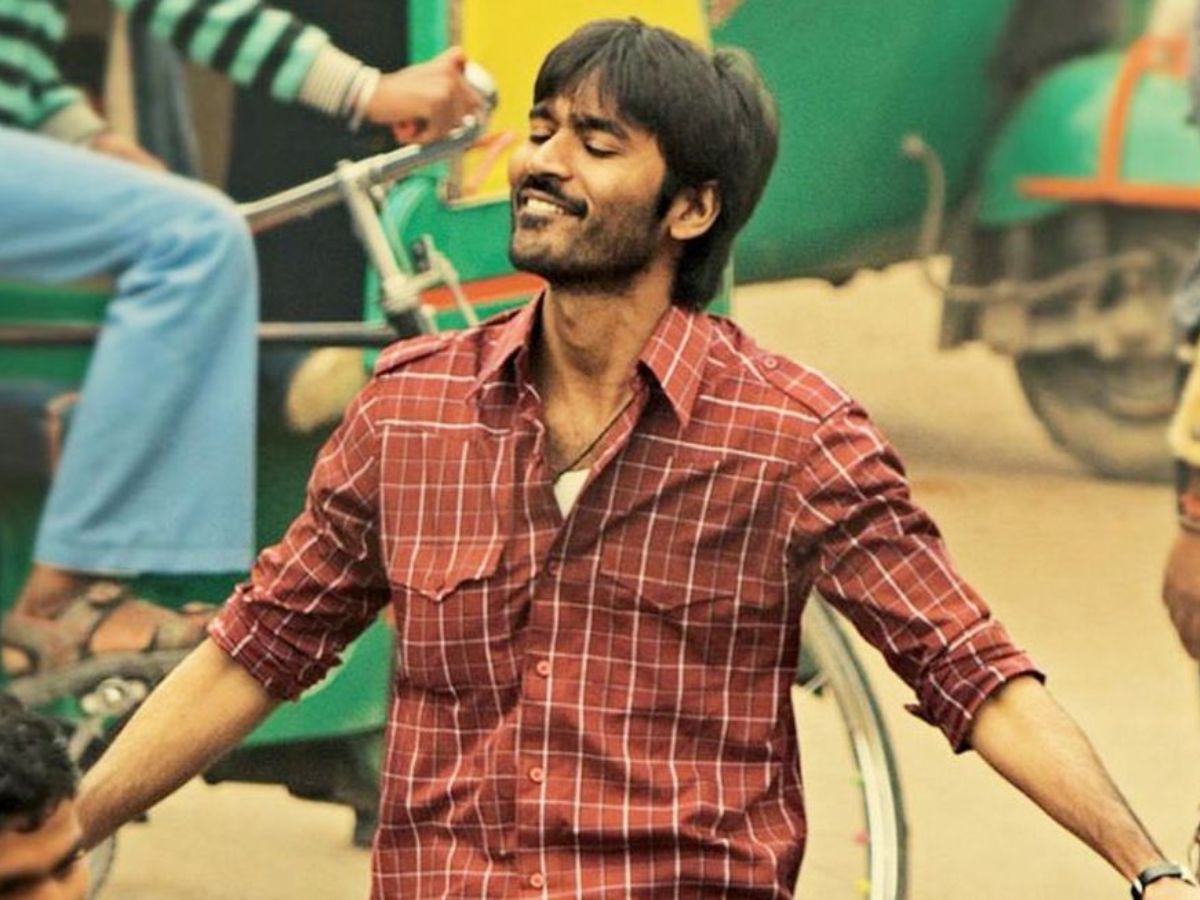
Over a decade since Raanjhanaa became a cult romantic tragedy, its re-release on August 1 under the Tamil title Ambikapathy, featuring a newly AI-generated “happy ending,” has sparked widespread backlash. Star Dhanush has publicly condemned the altered climax, accusing producers of undermining the film’s soul and overriding his explicit objections.
The Original Climax and AI Reimagining
In the 2013 classic, Aanand L. Rai’s bittersweet narrative ends with Kundan (Dhanush) succumbing to injuries after being shot—an ending that solidified the film’s emotional resonance. The new AI-altered version instead keeps Kundan alive, showing him regaining consciousness and sporting nostalgic flashbacks, offering audiences closure but rewriting the tragic arc.
Eros International marketed the re-release as a “respectful creative reinterpretation,” a choice made unilaterally under its distribution rights.
Dhanush Speaks: “This Stripped the Film of Its Soul”
Dhanush issued a powerful statement on X (formerly Twitter), saying he was “completely disturbed” by the climax changes made despite his explicit objection. He lamented that the alternate ending had “stripped the film of its very soul” and made clear: “This is not the film I committed to 12 years ago.”
He further warned that such uses of AI “threaten the integrity of storytelling and the legacy of cinema,” urging for stricter regulations to protect creative rights.
For the love of cinema 🙏 pic.twitter.com/VfwxMAdfoM
— Dhanush (@dhanushkraja) August 3, 2025
Director Aanand L. Rai Distances Himself
Joining Dhanush’s dissent, director Aanand L. Rai branded the AI version a “betrayal” of the film’s heart and soul. Through an Instagram post, he made clear that neither he nor the original creative team had been consulted, describing the alteration as a “reckless takeover” that disregarded artistic intent.
Rai further criticized Eros for treating artistic legacy as disposable, saying, “Raanjhanaa was shaped by human hands,” and lamenting a future where creative authorship can be digitally rewritten without consent.
Also Read—When Neena Gupta’s Bold Song Rocked Sanskari 90s—and Sold 1 CRORE Cassettes
Fan Reactions: Mixed Emotions, Viral Debate
Reactions on the internet vary widely. Some admirers praised Kundan’s survival, calling the happier conclusion “healing.” Others have criticized the alteration, claiming it removes the emotional resonance that first made the movie so powerful.
One social media comment went viral:
“Art isn’t meant to be ‘fixed’ by code. It’s meant to be felt… What they’ve done isn’t editing—it’s ERASING.”
The incident has brought up serious issues regarding the moral application of AI in movies. Legal experts and industry voices argue that technological innovation must not override creative consent or moral rights, especially when altering completed works. Eros, meanwhile, insists it holds full rights to make “optional alternate versions” and positions the change as part of a forward-looking innovation strategy.
A Broader Conversation
As Raanjhanaa prepares for wider screening outside Tamil Nadu, the clash over AI-revisions has ignited debate in Bollywood—and beyond—about creative ownership in the age of digital manipulation. Dhanush’s direct response, stating that the altered movie “is not the one I committed to,” might serve as a rallying cry for artists calling for more transparent moral and legal guidelines in an AI-driven future.
One timeless reality is highlighted by the controversy: some stories are supposed to remain flawed because they profoundly affect us, as Raanjhanaa did at first.