Storm Hits Guangdong with Strong Winds and Rain
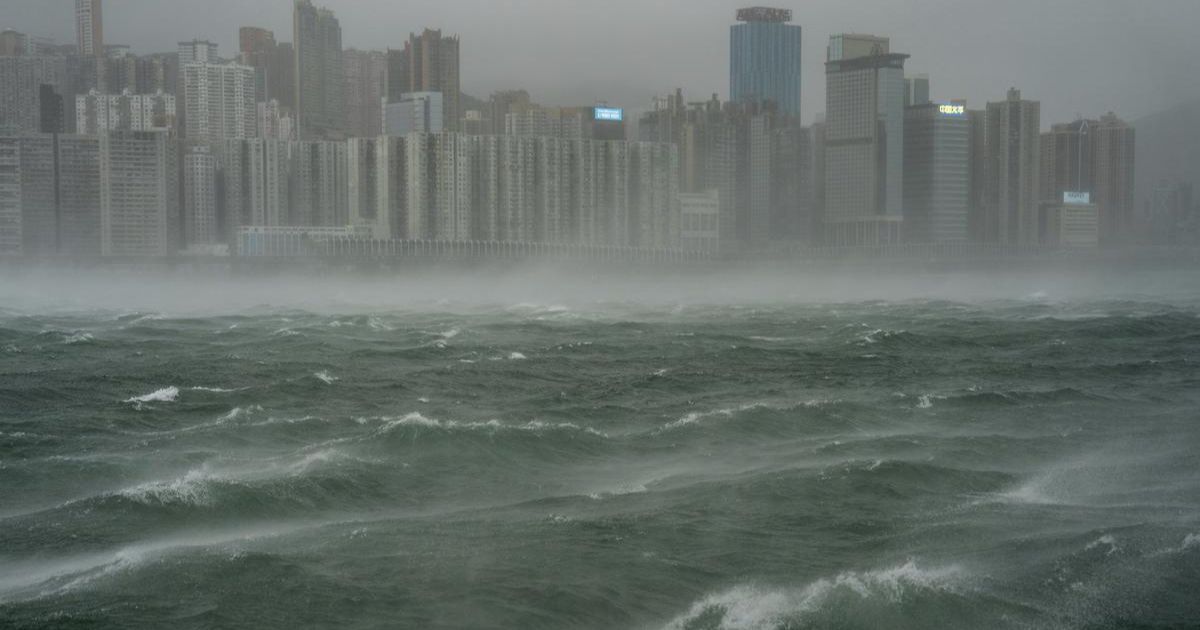
Tens of thousands of southern Chinese residents were evacuated on Monday as Tropical Storm Tapah came ashore, after a day of blustery weather and rain in Hong Kong. The storm swept into Taishan in Guangdong province at dawn on Monday, with sustained winds of more than 100 km/h and gusts of up to 150 km/h. Coastal towns were relocated to safety, ferries were cancelled, and hundreds of flights were cancelled in Guangdong and adjoining Guangxi.
Hong Kong also had its share of Tapah, with the government elevating the warning for the typhoon to Signal No. 8, the third-highest in the city. The majority of businesses were closed, and public transport ground to a near standstill, including buses, ferries, and trams, with trains running longer distances apart. Schools were confirmed to be closed for the day irrespective of any downgrade in storm signals.
Disruptions Across Transport and Infrastructure
While the storm moved approximately 170 km southwest of Hong Kong, intense rain and strong winds overturned umbrellas and shook scaffolding. The city observatory also released an amber rainstorm warning. Hong Kong International Airport grounded flights, with sustained winds of 101 km/h and gusts of as much as 151 km/h. The authorities in Shenzhen did the same, shutting schools and urging people to stay indoors, while port operations along the coast of Guangdong were suspended. Rescue teams were sent to patrol rivers for possible floods.
ALSO READ: IMD Forecast: Gujarat, Rajasthan Brace for ‘Exceptionally Heavy’ Rain, Thunderstorms in Delhi
Continuing Threats and Precautions Taken
By late morning, Tapah drifted ashore, fading as it moved northwest. China’s meteorological department warned that portions of Guangdong and Guangxi may still get flash floods and landslides with torrential rain extending to Tuesday. Initial reports suggested minor damage in Hong Kong, with empty streets and some scattered debris, with no immediate news of big landslides or flooding. Emergency personnel stayed on standby, especially in slope failure-prone areas.
In southern China, swollen rivers from weeks of previous rain increased flood threats. Authorities opened emergency centers and sent engineers to reinforce reservoirs and power plants. Tropical Storm Tapah is the latest of several weather systems battering East Asia this season, which usually experiences cyclones driven by warm South China Sea and western Pacific waters between June and October.