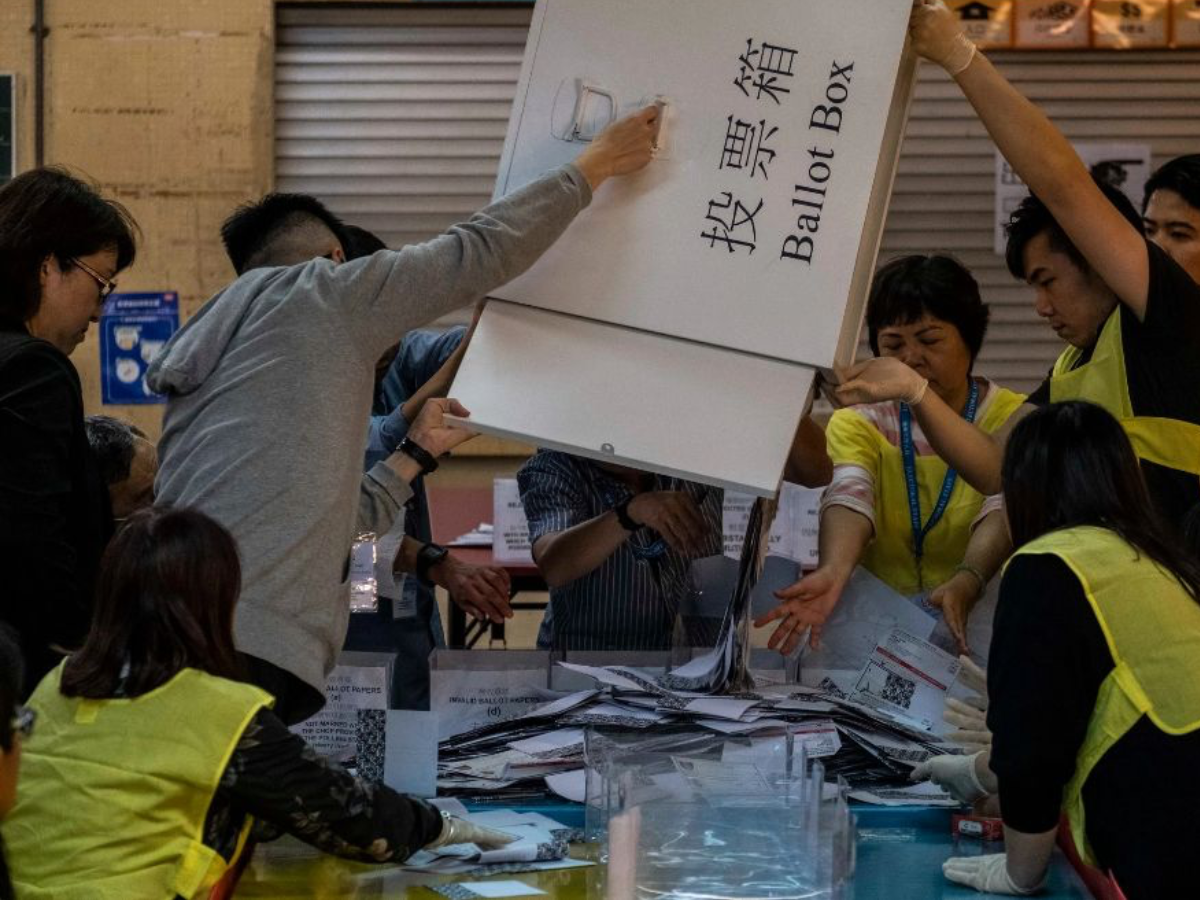
Hong Kong has elected a new 90-seat legislature, but the results reflect a complicated political climate. With turnout reaching 31.9%, the city narrowly avoided a symbolic setback for authorities.
Still, the low engagement highlights how deeply many residents have disengaged from political life since the national security crackdown and sweeping electoral reforms.
Turnout rises slightly but reflects public fatigue
The turnout was marginally higher than the 2021 figure, the first election held under the revamped system. However, it still stood way below levels seen before Beijing’s overhaul, when competitive races drew more than half of eligible voters.
Many analysts say pro-democracy supporters no longer see a meaningful choice at the ballot box anymore. Candidates have to undergo a strict loyalty review to ensure cohesion with Beijing, which has significantly narrowed the political spectrum.
Deadly Apartment Fire Shadows the Election
The government’s efforts to increase participation were dealt a shock when an apartment fire took the lives of at least 159 people. Campaigning stopped, public grief mounted, and frustration over city oversight of maintenance projects grew.
ALSO READ: IAEA Flags Damage to Chernobyl Shield After Drone Strike: How Serious Is the Risk for Ukraine?
Even with extended voting hours and subsidies for the transportation of seniors and those with disabilities to reach polling stations, the momentum let up. Several were arrested by authorities, accused of encouraging residents to boycott the vote or submit invalid ballots.
Legislature Reshaped by Beijing’s Rules
The 2021 reforms cut the number of directly elected seats from 35 to just 20. Still, 40 seats are selected by a pro-Beijing committee while the remaining 30 are taken up by sector-based representatives.
Critics say the rule for “patriots” to stand has excluded opposition completely. It is also evident to observers that, even among those approved candidates, the field has been curated to reflect Beijing’s preferred priorities.
ALSO READ: Fact Check: Will Trump Release UFO Files in 2025? Polymarket Betting Surge Raises Questions
Beijing Tightens Its Grip on Media and Messaging
On the eve of voting day, China’s national security office summoned representatives of foreign media outlets to accuse some of spreading false information about the fire and the election. The statement was just another indication of how limited space is for critical reporting in the city.
The authorities also warned residents not to use the tragedy as an excuse to question government leadership. At least one person was taken into custody for allegedly stirring up public anger against officials.
What the findings suggest
Though the turnout increased slightly, analysts said that reflects widespread public disillusionment. Low enthusiasm, a small pool of candidates, and an environment with heavy security is still all that defines Hong Kong’s political reality.
The government, for now, frames this outcome as one showing stability, but many really think it serves to highlight how this city is still struggling to balance change with public trust.
Disclaimer: This article provides an independent analysis based on available information and should not be interpreted as legal, political, or official advice.