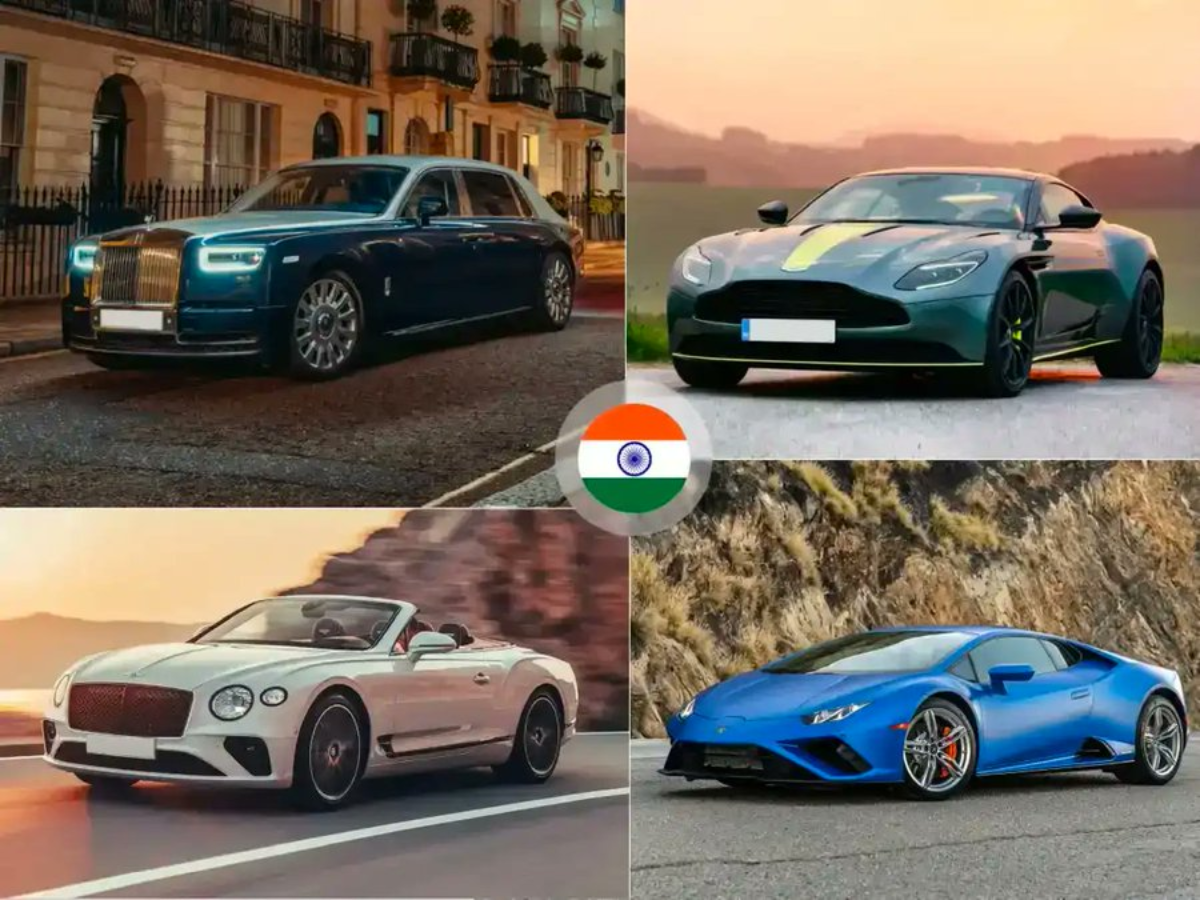
Indian automobile industry stands today at the doorstep of a very important revolution with regard to the implementation of the largest ever Goods and Services Tax (GST) since its introduction in the year 2017 by the Indian government. On the other hand, a mild lowering on the GST on mini cars may get the demand going in the mass market segment. The scene for luxury cars, however, does not seem that good. Analysts suggest that growth of premium vehicles may lower further to mid single digits in FY26, mainly due to global headwinds and uncertainty regarding taxation.
Barriers to Luxury Demand
Between FY22 and FY25, luxury car sales in India outpaced those of the broader passenger vehicle market, buoyed by aspirational demand from the younger consumers and first-time luxury car owning buyers. This trend is expected to slacken during 2025.
ALSO READ: 8th Pay Commission Set to Redefine Salaries, Pensions, and Allowances
Skepticism over prices caused through geopolitical tensions and volatility on stock markets has been amplified by continued reverberations from U.S. tariff policies. Festivities might be expected to generate short-term uplift, but the projections for overall luxury sales growth during the year are conservative.
GST Restructuring and Its Impacts
While Prime Minister Narendra Modi has already announced the movement toward a simplified two category GST, consisting of slabs of 5% and 18% with a higher 40% rate applying to sin goods, luxury cars will fall under this 40% bracket replacing the existing system with taxes that can cumulate up to 50% after.
In theory, this situation allows premium cars to be slightly less expensive, but the haze around it keeps consumer trust cloudy. Manufacturers such as BMW, Mercedes-Benz and Audi continue to urge the government to finalize the framework quickly and argue that delays disrupt festive sales strategies.
ALSO READ: Reliance Aims for Jio IPO to be in the First Half of 2026
Expectations from the Festive Season
The festive season in India-from Onam to Diwali is one of the better sales periods for auto manufacturers. Luxury brands are anticipating positive consumer sentiment, new product launches, and targeted campaigns to propel growth. Audi, BMW, and Mercedes-Benz executives seem to cautiously expect demand stability once the GST details are confirmed and confidence returns however, until that happens, buyers are more likely adopting a wait and watch strategy, deferring purchases on hopes of clarity and better deals.
The framework of the GST comes bearing both new possibilities and hurdles to the Indian automobile industry. While such new rates would possibly benefit mass market cars, most certainly, luxury cars may have to face a balancing act between uncertainties on policy and hope for aspirations of the consumer. These next couple of months could potentially spell the arrival of growth for high-end carmakers in India or idling out the luxury segment for this festive season.
ALSO READ: Post-Japan Visit by PM Modi, These Stocks would be in Focus..