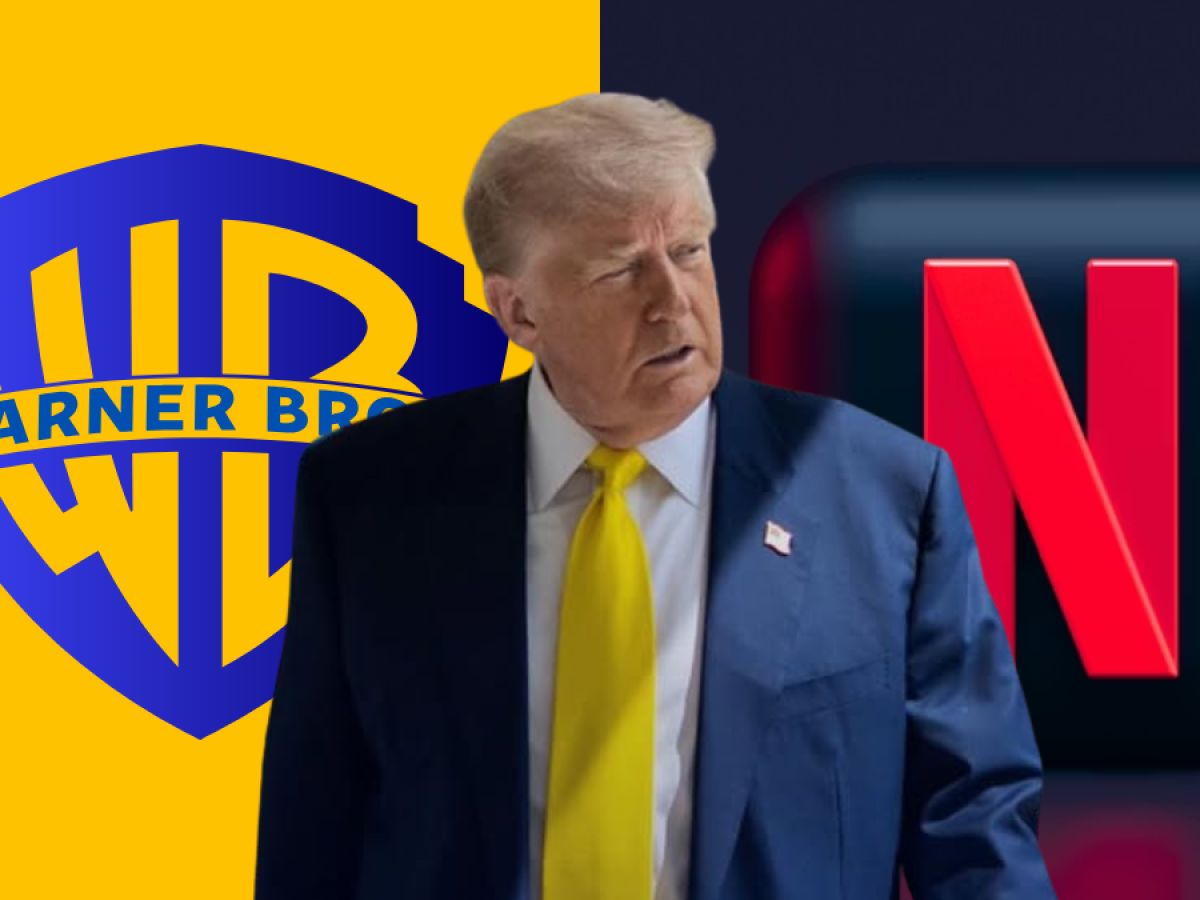
Netflix’s landmark $72 billion agreement to acquire Warner Bros Discovery’s key assets is facing mounting headwinds, with U.S. President Donald Trump voicing antitrust concerns and Wall Street analysts cutting price targets. The deal, which would merge the top streaming service with HBO Max and a major studio, is now under a multifaceted attack, drawing fire from bipartisan lawmakers, Hollywood unions, and a rival bidder alleging bias.
What Did President Trump Say?
Speaking at an event at the Kennedy Center on Sunday, President Trump directly addressed the proposed merger, warning that the combined entity’s “enlarged market share could be a problem.” He explicitly stated, “I will be involved in the decision,” signaling potential high-level political intervention in the regulatory review process.
This was reinforced by White House economic adviser Kevin Hassett, who told CNBC on Monday that the U.S. Department of Justice would examine the deal’s impact for “quite a while,” confirming a lengthy and thorough antitrust review is imminent.
Why Are Lawmakers and Unions Opposed?
The move has produced an uncommon moment of bipartisan agreement on Capitol Hill, as lawmakers from both parties criticize its likely anti-competitive impact. These core worries mirror those of major Hollywood unions:
Reduced Competition & Higher Prices: Fear that the merger would diminish consumer choice and give the combined company power to raise subscription prices.
Job Cuts: Concerns over consolidation leading to layoffs across the entertainment industry.
Reduced Creative Output: Worries that a more dominant entity could reduce the number and diversity of films and shows produced.
How is Wall Street Reacting?
The growing political and regulatory uncertainty has prompted a cautious response from financial analysts. At least three brokerages cut their price targets for Netflix stock following the deal’s announcement.
The consensus median price target for Netflix now stands at $139, according to LSEG data. Analysts like Barton Crockett of Rosenblatt noted that “antitrust opposition stalls consummation of the deal for a couple of years, and raises at least an element of risk about completion.”
Also Read: Paramount Launches $108 Billion Hostile Bid for Warner Bros, Challenging Netflix Deal
What Are Netflix’s Defenses and Other Complications?
Netflix has shown confidence by agreeing to a substantial $5.8 billion termination fee if the deal fails to secure regulatory approval. To counter claims of market concentration, Netflix is expected to take a broader view of the market, citing rivals such as YouTube and TikTok as key players in the online video space.
Adding to the complexity is the rejected rival bidder, Paramount Skydance, which claims the bidding process favored Netflix. Paramount’s close links to the Trump administration—via the Ellison family and financier Jared Kushner—add political overtones, as analysts suggest Warner Bros’ choice of Netflix could shape the administration’s response.
Your Questions Answered: Netflix Deal Scrutiny FAQs
Q: What exactly is President Trump’s concern?
A: He specifically pointed to the “enlarged market share” of a merged Netflix–Warner Bros entity, warning it could hurt competition. His remark that he would “be involved” suggests the review may draw uncommon attention from the White House.
Q: Who will ultimately approve or block the deal?
A: The primary regulator is the Antitrust Division of the U.S. Department of Justice (DOJ). They will conduct a detailed review, which White House adviser Hassett confirmed will take “quite a while.”
Q: What is the $5.8 billion termination fee?
A: The payment would be owed by Netflix to Warner Bros Discovery if the deal falls apart due to regulatory clearance issues. Its size shows Netflix’s confidence but also emphasizes the high costs of a failed approval.
Q: Could Paramount still make a higher bid?
A: Yes. Paramount has already claimed the process was biased and could launch a hostile takeover bid directly to Warner Bros shareholders, especially if the Netflix deal appears stalled by regulators.
Q: How does defining the market as including YouTube help Netflix?
A:How the “relevant market” is defined matters greatly in antitrust law. By pointing to free, ad-supported rivals like YouTube and TikTok, Netflix can argue the market is more competitive and its share smaller than it seems when only paid streamers are considered.