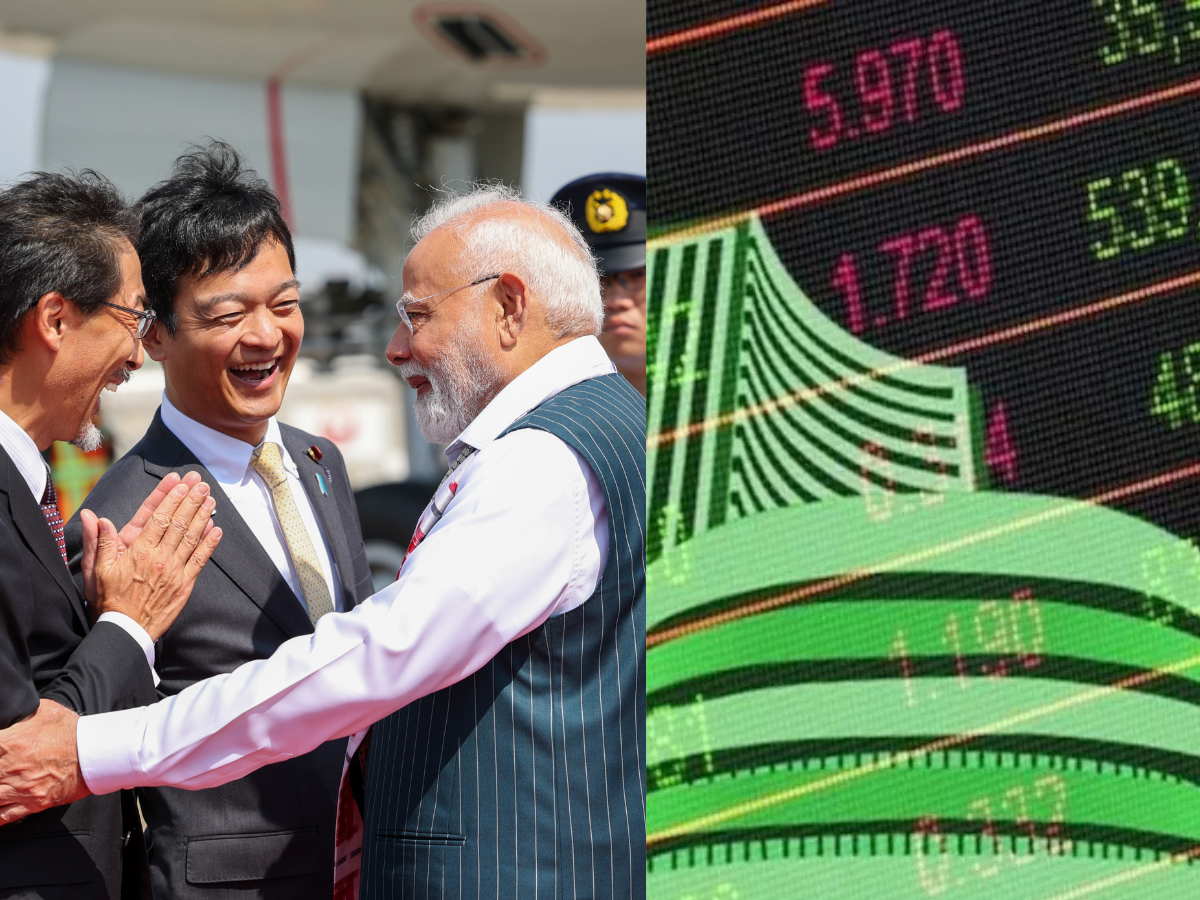
India’s ambitious Japan pitch and Prime Minister Modi’s recent visit to Tokyo have sparked a new wave of optimism for Indian equities, with investors closely watching the sectors and companies poised to benefit from this deepening bilateral partnership. The $67 billion Japanese investment commitment, targeting a wide spectrum of industries, underscores a strategic pivot in the Indo-Japanese economic relationship, one that goes far beyond symbolism and promises tangible outcomes in the coming decade.
Strategic Focus Sectors
In the center of this extended partnership is Japan’s readiness to invest in areas of prime importance such as technology, rare earths, semiconductor supply chains, and future-generation infrastructure. Defence and maritime industries are being given new focus, with new capital and technology transfer pacts poised to drive shipbuilding companies like Garden Reach Shipbuilders & Engineers to the forefront. The collaboration also welcomes innovation in space, exemplified by India and Japan’s joint effort on Chandrayaan-5 mission and bullet trains, where Japanese technology may prove to be a game-changer.
Digital and Clean Energy Boom
The digital and clean energy industries are notable standout beneficiaries. The signing of Digital Partnership 2.0 and AI Cooperation Initiative indicate the determination of both governments to enhance semiconductor production, artificial intelligence, and digital public infrastructure in India. Firms involved in the semiconductor supply chain or digital transformation such as Tata Electronics and cloud infrastructure firms, are set to witness growing Japanese collaboration and investment. Likewise, clean energy investments, such as big renewables and ammonia co-firing demonstration projects, are going to attract Japanese capital, driving expansion for companies such as Adani Power and Clean Max Renewable Energy.
Automotive and Manufacturing Opportunities
Automotive production and the wider mobility ecosystem continues to be a key area of focus. With Suzuki and Toyota-Kirloskar, the Japanese majors, increasing their presence, ancillary auto-part manufacturers and linked mid-cap stocks may witness further traction. Building joint supply chains in strategic technologies, electric vehicle battery to robotics and white goods, should prove to benefit large-cap as well as SME stocks heavily linked to Japanese exporters.
Sectoral Spillover Gains
Just as important are the spillovers by sectors: pharmaceuticals, road and logistics players, and SMEs in critical minerals and environmental sustainability are poised for benefits. The environmental conservation, renewable energy, e-mobility, and circular economy focus of the India-Japan Fund only opens up the scope further for investors wishing to access “Japan-linked” themes in Indian equities.
The Road Ahead
As Japan and India partner to co-design next-generation defense platforms and integrate economies, most opportunities are reserved for firms at the nexus of technology, innovation, and global supply chains. The India-Japan partnership’s next chapter offers not only capital flow, but vital knowledge transfer and co-development, making leading stocks in shipbuilding, semiconductors, clean energy, autos, and digital infrastructure the leaders likely to gain from this historic diplomatic and economic convergence.